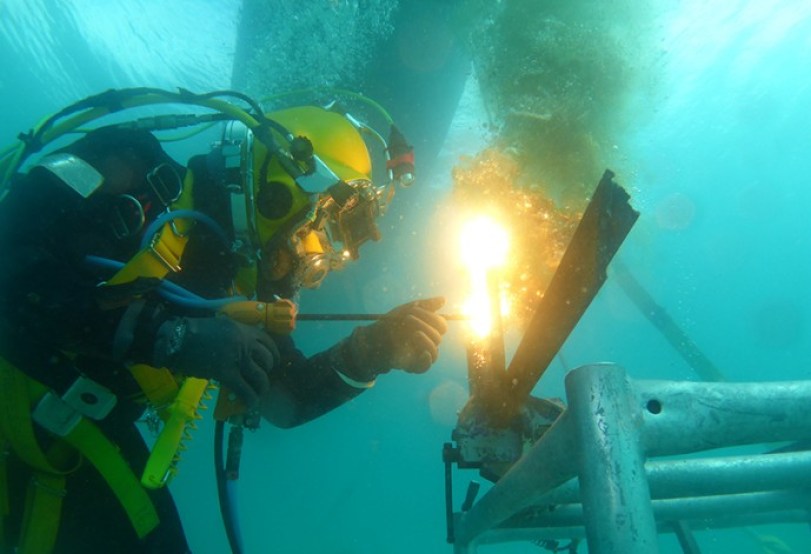
Underwater welding—a challenging and alluring profession that entices many adventurers with the promise of high rewards. But have you ever paused to ponder, what lurks beneath the surface that makes this daring occupation so perilous? As we plunge into the depths of this fascinating career, let’s explore the myriad reasons that contribute to its treacherous reputation. From the complexities of technical proficiency to environmental constraints, you may find yourself questioning whether the risks truly outweigh the rewards.
The Intricacies of Underwater Welding
To fully grasp why underwater welding is deemed dangerous, it is pivotal to understand its intricacies. Underwater welding involves two primary methods: dry welding and wet welding. Dry welding occurs in a hyperbaric chamber, while wet welding is conducted directly in the water. Both methods have their respective challenges, but the nuances of wet welding often magnify the risks involved. Welders must contend with foreign currents, visibility challenges, and the omnipresent threat of marine life lurking close by.
Environmental Hazards
One of the foremost dangers of underwater welding stems from the environment itself. Water is like a hidden labyrinth filled with potential hazards ranging from strong currents to unsettling temperatures. Undertows can sweep welders off course, while cold water can induce hypothermia within mere minutes. Moreover, hazardous conditions such as murky visibility can render a welder disoriented, hampering their ability to assess the working area accurately. Imagine performing intricate repairs while grappling with disorientation in a dark, chaotic environment—truly a daunting challenge!
Electrocution Risks
The very nature of underwater welding brings forth a grave risk of electrocution. The amalgamation of electricity and water creates a deadly adversary. An underwater welder utilizes a power source that generates high-voltage currents, making the need for meticulous safety protocols non-negotiable. Often working with wet equipment, the chances of encountering electrical faults or shock hazards intensify. The consequences of electrocution can be severe, ranging from serious injuries to fatalities, propelling this risk to the forefront of underwater welding dangers.
Decompression Sickness
As welders descend into deeper waters, they must also consider the peril of decompression sickness, commonly referred to as “the bends.” This malady is caused by the formation of nitrogen bubbles in the bloodstream due to rapid ascension after prolonged exposure to high-pressure underwater environments. The progression of decompression sickness can be agonizing, leading to debilitating pain or even more serious outcomes if not addressed promptly. One miscalculated ascent can transform a rewarding day into an emergency situation.
Marine Life Encounters
Although generally underestimated, the interaction with marine creatures adds another eerie layer to the dangers faced by underwater welders. While most marine life tends to avoid human contact, unexpected encounters with aggressive species, such as sharks or jellyfish, can lead to dangerous situations. Stings, bites, or simply startling a creature can have unforeseen consequences. Imagine welding in the depths while becoming acutely aware that the ocean’s residents are closely watching your every move!
Physical Strain
The job’s physicality cannot be overlooked, either. Underwater welders often find themselves in arduous positions, contorting their bodies to access currents, pipes, and underwater structures. This physical strain can lead to musculoskeletal injuries over time. Additionally, welders are required to wear heavy protective gear, which further compounds the challenges of mobility and endurance. This demanding physicality can prove to be an adversary in the quest for precision.
Psychological Strain
While the physical challenges are tangible, the psychological strain associated with underwater welding should not be underestimated. The isolation of working underwater can evoke feelings of claustrophobia, especially when combined with the inherent risks. A welder faced with life-threatening scenarios may experience acute stress or anxiety, which could impair judgment during critical moments. Balancing the mental fortitude required for such a taxing occupation is essential for ensuring safety.
Final Reflections
Underwater welding is undeniably a compelling trade that attracts adventurers seeking thrilling experiences and lucrative compensation. Nevertheless, the perils that accompany this occupation demand unwavering respect and caution. From the physical and environmental challenges to the psychological complexities and electrical risks, each day presents a unique conundrum for welders underneath the waves. As you ponder the allure of this profession, consider the myriad dangers that loom beneath the surface—a challenge not just of skill, but of resilience and caution in a world where danger is ever-present.









Leave a Comment