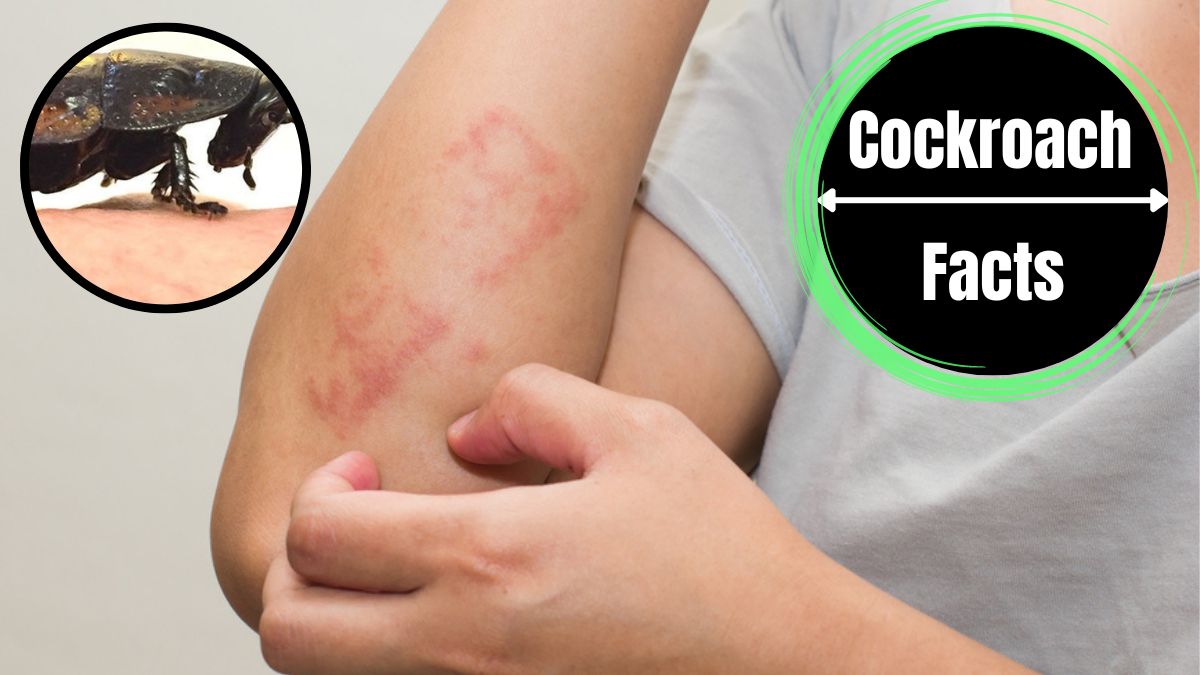
Encountering a cockroach can be unsettling, especially for those who harbor a deep-seated aversion to these resilient critters. While it’s rare for cockroaches to bite humans, the possibility exists, particularly if a person is asleep or unaware. The repercussions of a cockroach bite can vary from mild irritation to severe allergic reactions. Understanding how to treat and manage the aftermath of such an incident is essential for a swift recovery.
Understanding Cockroach Bites
Cockroach bites primarily occur when the insect is scavenging for food or attracted to moisture. The bites are most common around the mouth, hands, and feet, where skin may be more accessible. Symptoms can include:
- Redness and Swelling: The immediate reaction may involve localized inflammation around the bite area.
- Itching and Irritation: An overwhelming urge to scratch can exacerbate the condition, leading to further complications.
- Blisters or Sores: In certain individuals, a more severe response might occur, resulting in blister formation.
- Allergic Reactions: Some people may experience systemic symptoms such as hives or difficulty breathing, necessitating prompt medical attention.
Initial Steps for Cockroach Bite Treatment
Upon realizing you have been bitten by a cockroach, swift action is imperative. The following procedures aid in minimizing discomfort:
- Clean the Bite Area: Immediately cleanse the region with soap and water to mitigate the risk of infection. Ensure the water is lukewarm and avoid any harsh scrubbing, as this could exacerbate the irritation.
- Disinfect: After cleaning, apply an antiseptic solution to prevent microbial invasion. Products containing hydrogen peroxide or alcohol serve effectively in this regard.
- Apply a Cold Compress: To alleviate swelling and numbing, apply a cold pack wrapped in a cloth to the bite site for 10-15 minutes. This promotes improved blood circulation and reduces inflammation.
Ongoing Management of Symptoms
Following initial treatment, continued care becomes essential for a thorough recovery. Various methods can help manage the uncomfortable symptoms:
- Topical Remedies: Over-the-counter hydrocortisone cream or anti-itch lotions can provide respite from persistent itchiness. Calamine lotion is also a favorable alternative that has soothing properties.
- Antihistamines: Oral medications such as diphenhydramine or loratadine can ease allergic reactions. These are particularly beneficial if the itchiness escalates or hives develop.
- Pain Relief: Non-steroidal anti-inflammatory drugs (NSAIDs) like ibuprofen or acetaminophen can alleviate pain or discomfort associated with swelling.
- Monitoring for Infection: Keep an eye on the bite area for signs of infection—such as increased redness, warmth, or pus secretion. If any concerning symptoms arise, consult a healthcare provider promptly.
When to Seek Medical Attention
While most cockroach bite cases resolve without medical intervention, certain scenarios warrant professional evaluation. Seek immediate medical assistance if:
- You experience difficulty breathing or chest tightness.
- The bite area develops significant swelling or spreads beyond the initial site.
- Fever or systemic symptoms arise shortly after the bites.
- You show signs of anaphylactic shock, characterized by rapid onset hives, swelling of the throat, or dizziness.
Preventative Measures
Using a multi-faceted approach, one can minimize the risk of cockroach bites in the future:
- Maintain Cleanliness: Regularly clean kitchens and dining areas to eliminate food sources that attract cockroaches. Seal food containers tightly and ensure crumbs are promptly swept away.
- Seal Entry Points: Inspect your home for cracks or openings where cockroaches might gain access. Caulk and repair these areas to form an impenetrable barrier.
- Implement Pest Control Strategies: Consider employing professional pest control services or utilizing effective insect deterrents that can significantly reduce cockroach populations within your space.
- Educate Your Household: Preventing panic and fostering understanding about cockroach behavior can help cope with incidents better should they occur.
Conclusion
Although the thought of a cockroach bite is undoubtedly unnerving, understanding the necessary measures for treatment and prevention can empower individuals. Properly addressing the situation—while remaining vigilant about home cleanliness—can provide peace of mind along with health security. In cases where symptoms become intolerable, or alarm bells ring, never hesitate to consult a healthcare professional. With informed vigilance, managing cockroach bites is entirely achievable.








Leave a Comment