In the kaleidoscopic tapestry of life, death is an inescapable thread that binds us all. For many, the question arises: Can Catholics be cremated? This inquiry is as provocative as it is paramount, enveloping a myriad of theological, cultural, and personal nuances. The subject invites contemplation, humor, and perhaps a smidgen of bewilderment as we delve into the tenets of faith juxtaposed with evolving societal practices.
As we traverse this landscape, we encounter an intriguing paradox. Historically, cremation elicited consternation among Catholics, branded as a repudiation of the corporeal resurrection believed to culminate in life eternal. Yet, one must wonder: does this traditional stance hold up against modernity’s relentless march? Can the flames of cremation coexist harmoniously with Catholic doctrine? Let us embark on this exploration together, navigating the intricacies of belief and practice.
The Historical Context of Cremation in Catholicism
For centuries, the Catholic Church espoused a preference for burial, deeming it more respectful to the body, a temple of the Holy Spirit. The prevailing belief was that the physical remains of the deceased should merge with the earth, emulating Christ’s own burial. Such practice stemmed from Scripture and ancient customs, creating a robust framework against cremation.
As the centuries unfolded, societal norms began to shift. The Industrial Revolution and its accompanying urbanization phenomena prompted pragmatic considerations regarding burial space. Despite this transformation, the Church maintained a somewhat obstinate stance—cremation remained largely taboo into the late 20th century, regarded as incompatible with the faith.
A Paradigm Shift: The Catholic Church’s Evolving Stance
The Vatican made a significant doctrinal shift with the issuance of the decree “Ad resurgendum cum Christo” in 2016, which permitted cremation under specific conditions. This marked a watershed moment in Catholic history, embracing a more lenient approach towards cremation. However, the Church hastens to clarify that cremation must not suggest an abandonment of the Christian faith in bodily resurrection; rather, it should be executed with solemnity and respect.
The Theological Implications of Cremation
To fully grasp the Catholic position on cremation, one must delve into the intricate theology surrounding death and resurrection. Catholics believe in the sanctity of the human body, which reflects the divine image. The Second Vatican Council reinforced this notion, affirming the body’s importance even after death.
The core tenet holds that God will resurrect the dead, rendering the state of the physical remains—whether buried or cremated—less consequential in the grand tapestry of salvation. This theological underpinning allows room for those who choose cremation, so long as their intent aligns with respect and reverence for the deceased.
Guidelines for a Respectful Cremation
For Catholics considering cremation, it is vital to adhere to certain principles that honor the faith. Herein lie some essential guidelines:
- Intentionality: Cremation should not be viewed as an inexpensive alternative to burial but rather as a dignified option chosen for compelling reasons, whether environmental, practical, or personal.
- Use of a Coffin: The Church strongly recommends that the body be present for the funeral liturgy in a casket instead of a simple container, acknowledging the body’s sacredness.
- A Proper Funeral Mass: A Catholic funeral Mass is not just a rite but a celebration of eternal life. It is crucial to have this liturgy preceding the cremation, fostering a sense of closure for family and friends.
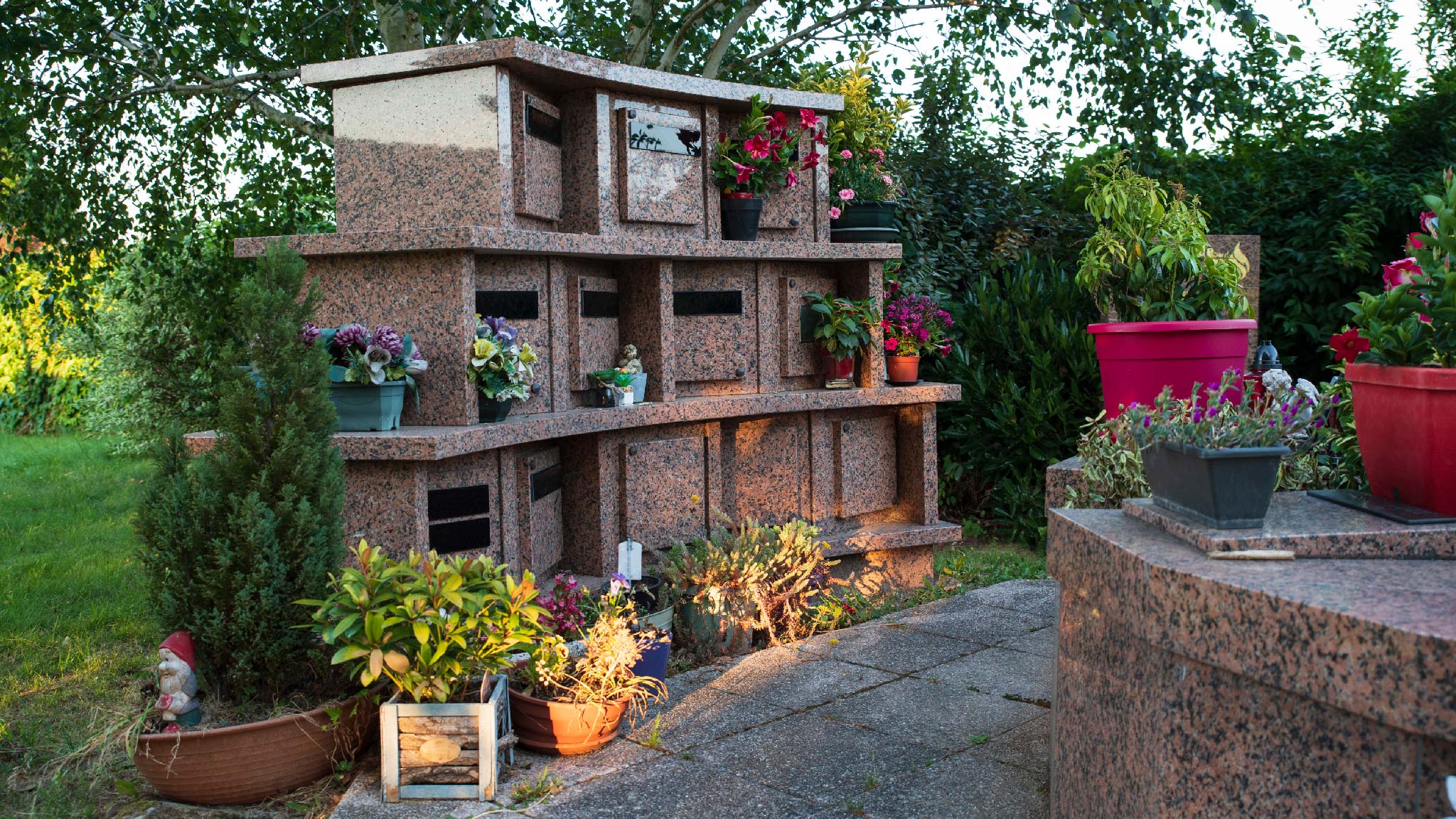
- Disposition of Ashes: The Church advises that cremated remains be treated with the same respect as a body. This implies interment in a cemetery, placing them in a columbarium, or permitting burial, rather than scattering them.
The Cultural Dimensions of Cremation
Beyond theological considerations, cultural attitudes towards cremation often reflect broader societal trends. In many cultures, cremation is perceived as a practical and efficient method of handling remains, sometimes entwined with deep-rooted traditions. As Catholics navigate these waters, understanding local customs and community sentiments can greatly influence the decision-making process.
Interestingly, younger generations of Catholics are increasingly open to cremation, seeing it as a less burdensome and more eco-friendly option. This shift may indicate a profound reexamination of traditional beliefs, providing opportunities for inclusivity and dialogue within the Church.
Conclusion: A Harmonious Coexistence?
The question, “Can Catholics be cremated?” unfolds into a complex narrative intertwining faith and modernity. The evolution of the Church’s stance reflects a broader understanding of death—one that recognizes the necessity for adaptability in a changing world. As believers grapple with myriad choices, including cremation, the principles of respect and reverence remain paramount.
Ultimately, finding harmony between one’s faith, personal beliefs, and the practical realities of life and death is a uniquely personal journey. By engaging deeply with the tenets of Catholicism while also acknowledging contemporary practices, Catholics can honor the sacredness of life, death, and transformation, embracing a path that may weave its way through both ashes and resurrection.








Leave a Comment