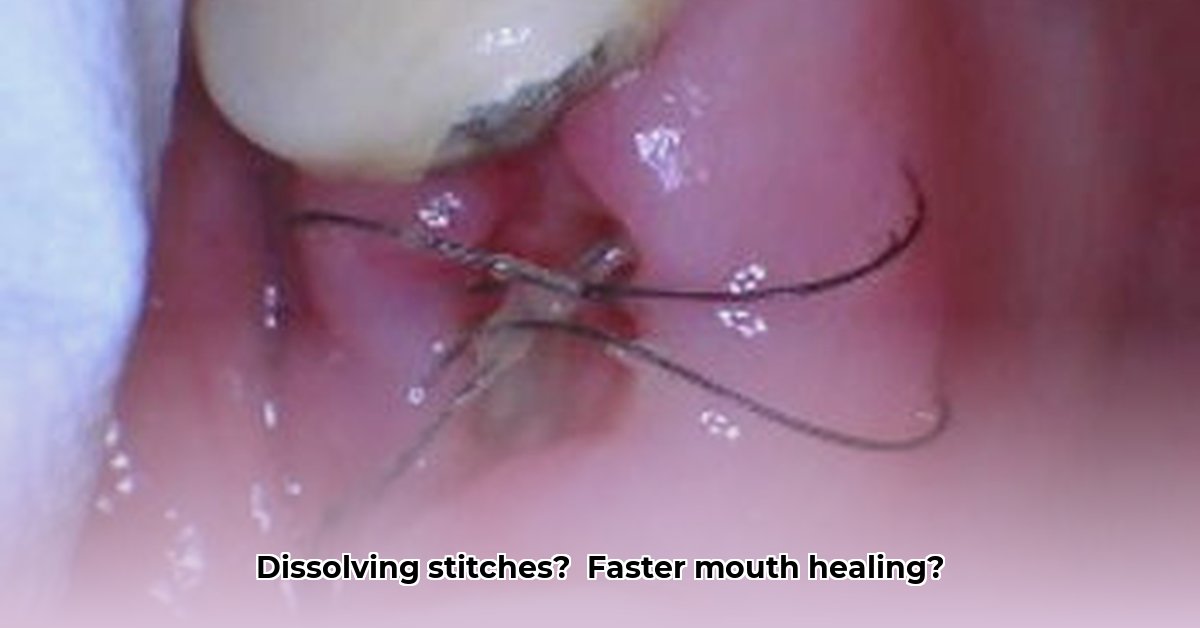
Dissolvable stitches, also known as absorbable sutures, are a specialized medical innovation often employed in oral procedures, such as tooth extractions, gum surgeries, or after the placement of dental implants. Understanding the nuances of dissolvable stitches, particularly those utilized in the mouth, can illuminate their significance in facilitating recovery while minimizing discomfort. This guide endeavors to explore their types, benefits, common procedures where they are applied, and aftercare instructions, providing a comprehensive overview for both patients and practitioners.
Types of Dissolvable Stitches
The world of sutures is multifaceted, with various types classified based on composition, method of absorption, and intended use. Dissolvable or absorbable stitches primarily fall into two broad categories:
- Natural Absorbable Sutures: These are typically derived from biological sources, such as sheep intestines (catgut), which offer a relatively rapid absorption rate. Although effective, they may elicit allergic reactions in certain individuals.
- Synthetic Absorbable Sutures: Composed of synthetic materials, such as polyglycolic acid (PGA) or polylactic acid (PLA), these sutures boast enhanced stability and a predictable absorption timeline. They are less likely to cause allergic reactions, rendering them advantageous for diverse patients.
Moreover, within these categories, two primary absorption methods are noted:
- Fast-Absorbing Stitches: These are designed to dissolve quickly, typically within a week or two, making them ideal for procedures where rapid healing is essential.
- Slow-Absorbing Stitches: These sutures dissolve over an extended period, ranging from several weeks to several months, providing prolonged support in areas needing gradual healing.
Common Dental Procedures Utilizing Dissolvable Stitches
Dissolvable stitches are indispensable in a variety of dental contexts. Some of the most prevalent procedures that involve these sutures include:
- Tooth Extractions: Following the removal of a tooth, particularly impacted wisdom teeth, stitches are often placed to close the wound and facilitate healing.
- Dental Implants: After implant placement, stitching is crucial to secure the soft tissue around the implant while it integrates with the bone. These stitches help prevent complications such as infection or displacement.
- Gum Surgery: Procedures aimed at correcting gum issues, such as periodontal surgery, require stitches to ensure proper healing of the gum tissue.
- Cleft Lip and Palate Repair: This surgical intervention, frequently performed in infants and children, often employs dissolvable stitches to repair the tissue without leaving permanent marks.
Benefits of Dissolvable Stitches
The advantages of using dissolvable stitches, particularly in the context of oral surgeries, are multifold:
- Reduced Postoperative Discomfort: Dissolvable stitches often eliminate the need for a subsequent visit just to remove sutures, thus reducing patient anxiety and discomfort.
- Biodegradability: Dissolvable sutures naturally decompose, minimizing the risk of foreign body reactions and eliminating the need for manual removal.
- Encouragement of Healing: By securely holding tissues together during the critical initial healing phases, they foster optimal recovery environments, mitigating the potential for healing complications.
- Versatility: Suitable for various dental applications, they provide robust options tailored to meet the specific needs of each procedure.
Aftercare Instructions
- Maintain Oral Hygiene: Gently rinsing with warm salt water or prescribed mouthwash can help keep the area clean. Avoid brushing the stitch area for the first few days to prevent irritation.
- Monitor for Signs of Infection: Patients should be vigilant for symptoms such as increased swelling, pus, or heightened pain. Immediate consultation with the dentist or oral surgeon is crucial if these symptoms arise.
- Dietary Modifications: Soft foods are recommended initially to prevent irritation to the surgical site. Avoid hot, spicy, or hard foods that could dislodge the stitches.
- Avoid Strenuous Activities: Physical activity should be minimized to prevent undue pressure on the sutured areas, ensuring proper healing.
Conclusion
Dissolvable stitches in the mouth serve as a vital tool for dentists and oral surgeons, providing a seamless approach to managing surgical wounds. With various types, notable benefits, and essential aftercare considerations, patients can confidently navigate their recovery adventures. By fostering a conducive healing environment, these absorbable sutures have revolutionized post-surgical care in dentistry, allowing for enhanced comfort and optimal outcomes. Understanding this aspect of dental care can empower patients to make informed decisions and adhere to recommended practices for unveiling a healthier smile.









Leave a Comment