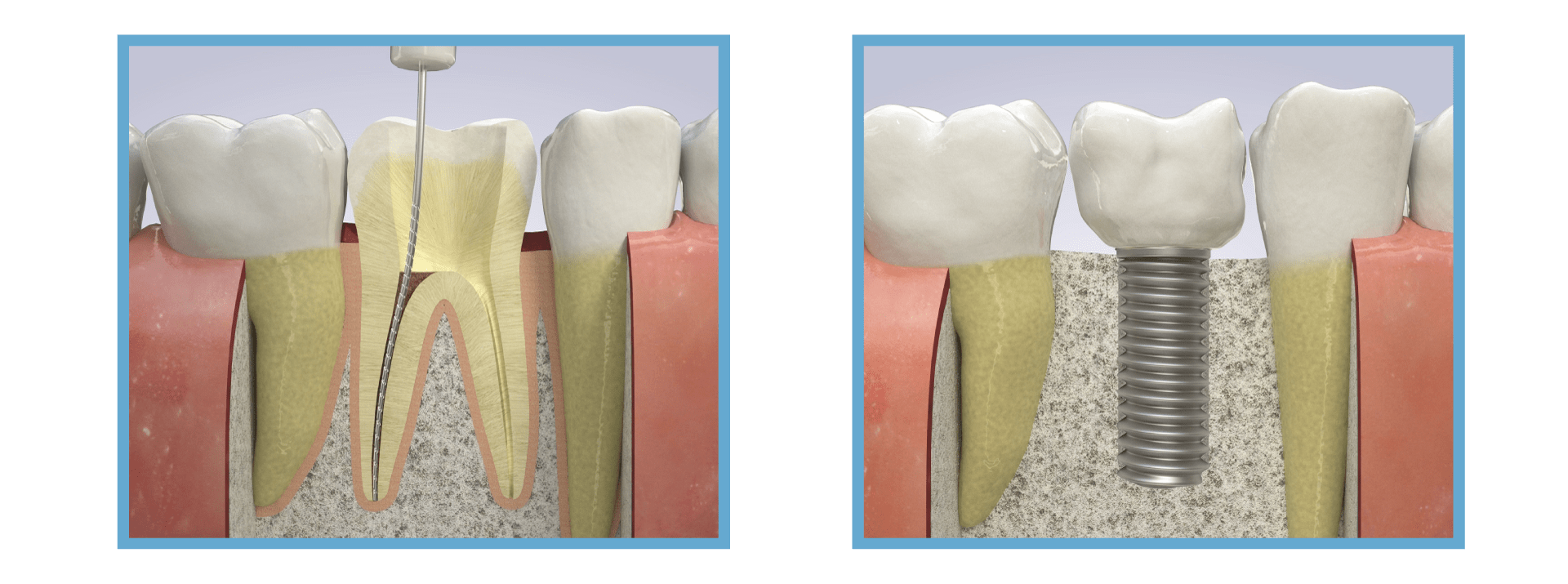
The prospect of dental procedures often evokes a mix of apprehension and curiosity. Among the myriad of treatments available to preserve or restore oral integrity, two options stand out due to their prominence: root canals and dental implants. This article delves into the intricacies of these treatments, examining their distinctions, advantages, challenges, and costs while inviting you to reconsider preconceived notions that you might hold about dental care.
Understanding Root Canals
Root canal therapy is often perceived as a daunting procedure, steeped in myths and anxiety-inducing tales. However, it is a highly effective treatment designed to rescue a tooth that has become infected or has sustained considerable damage. The goal of a root canal is to eliminate infection and salvage the natural tooth anatomy.
The procedure involves creating an opening in the tooth to access the pulp chamber, where nerves and blood vessels reside. The dentist meticulously removes the infected tissue, cleans and disinhibits the chamber, and then seals it with a biocompatible material. The culmination of this process is typically reinforced with a crown to restore functionality and aesthetics.
One of the prominent advantages of opting for a root canal is the preservation of the natural tooth, which plays a fundamental role in maintaining your oral structure. Natural teeth help in the proper alignment of adjacent teeth and contribute to overall oral health. Moreover, the sensation of chewing and biting on one’s natural teeth can often be more satisfying than that provided by a prosthetic.
Unraveling the Dynamics of Dental Implants
In contrast, dental implants represent a revolutionary approach, often viewed as the gold standard for tooth replacement. They are particularly advantageous for individuals who have lost teeth due to trauma, decay, or periodontal disease. Implants consist of a titanium post surgically embedded into the jawbone, serving as a robust anchor for a prosthetic crown.
The allure of dental implants lies in their longevity and functionality. Once integrated into the bone—a process known as osseointegration—they provide stability akin to that of natural teeth. This fusion not only enhances chewing efficiency but also fosters a natural appearance, eliminating the shifting or discomfort sometimes associated with dentures.
Another remarkable feature of implants is their ability to prevent bone loss. When a tooth is lost, the surrounding bone can begin to deteriorate over time. A dental implant stimulates the jawbone, mimicking the roots of a natural tooth and thereby preserving bone density.
Comparative Analysis: Pros and Cons
As with any medical procedure, both root canals and dental implants come with their respective advantages and drawbacks. Root canals, while effective for saving a tooth, often necessitate multiple visits and can be accompanied by discomfort during recovery. The tooth, despite being salvaged, may still be susceptible to fractures or future decay if not adequately protected with a crown.
On the flip side, dental implants require a surgical intervention that might seem intimidating, particularly for those with dental phobia. They usually entail a longer timeline from initial placement to full restoration, as osseointegration takes time. Additionally, certain health conditions or insufficient bone density may preclude some individuals from being viable candidates for implants.
Cost is another factor to consider, as root canals generally incur lower upfront expenses compared to dental implants. However, the longevity and durability of implants may justify their higher initial cost over the long haul. Analyzing your financial commitment against the potential durability and function of each option can lead to a more informed decision.
Making an Informed Choice
Deciding between a root canal and a dental implant is nuanced and personal. Factors such as the extent of tooth damage, oral health status, budgetary considerations, and individual preferences all play a pivotal role. Consultation with a dental professional is key to navigating this decision, enabling you to dissect the pros and cons of each treatment in the context of your specific situation.
It is also crucial to shift your perspective: rather than viewing these treatments solely as remedies for dental trauma, consider them investments in your dental and overall health. A well-preserved natural tooth can enhance quality of life and evoke a sense of ownership over one’s well-being, while a dental implant can restore self-confidence and promote a carefree lifestyle.
A Transformative Journey Towards Optimal Oral Health
Ultimately, both root canals and implants serve as remarkable solutions to dental dilemmas, guiding affected individuals towards restoration and rehabilitation. The journey through the complexities of dental health need not be laden with anxiety. By engaging with these treatment options contemplatively and inquisitively, one can emerge with a greater understanding of their own dental needs and make choices that resonate with their values and lifestyle. Embrace the opportunity to reclaim your oral health, whether through the preservation of a beloved natural tooth or the innovative promise of a dental implant—each path leads to a brighter, healthier smile.










Leave a Comment