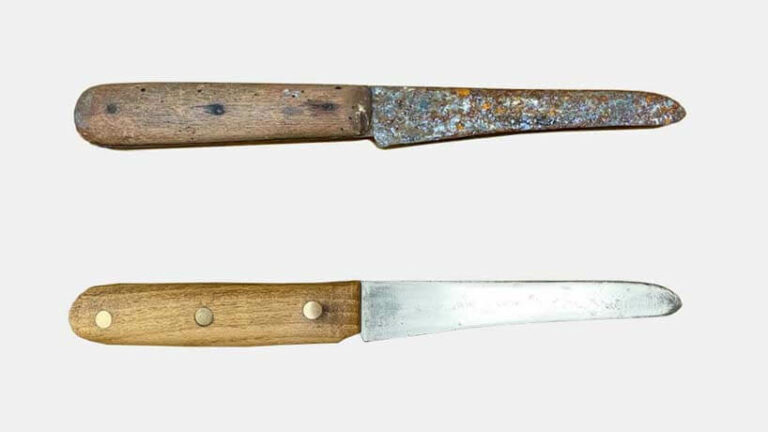
Rust on a knife is not merely an aesthetic blemish; it often incites a deeper contemplation on the impermanence of quality and the intrinsic value we place on our culinary tools. The sight of a once-lustrous blade dulled by the orange-brown specks of corrosion can invoke a mix of regret and urgency. In this comprehensive guide, we will delve into the intricate methods of removing rust from your cherished knives. But first, let us explore the reasons behind this phenomenon and the care required to maintain the integrity of your blade.
Rust forms when moisture, oxygen, and metal intersect, leading to a gradual degradation of the material. This chemistry is particularly pronounced in carbon steel knives, which, despite their revered sharpness and edge retention, are vulnerable to corrosion. Stainless steel, while more resilient, is not entirely immune. Understanding the nature of rust equips you with the knowledge necessary not only for removal but for prevention as well.
As we embark on this journey, it’s essential to gather our tools and materials. Here’s a list of what you will require:
- Soft cloths or paper towels: For drying and wiping down the blade.
- Non-abrasive scrubbers: To gently scour away the rust without damaging the metal.
- Rust removal solutions: These could be commercial products designed specifically for rust, or household alternatives like vinegar or baking soda.
- Olive oil or mineral oil: For post-cleaning maintenance.
- Sandpaper or a fine steel wool: For persistent rust spots.
Once you have gathered your materials, you can choose among several methods to restore your knife to its former glory. Here are the most effective techniques:
1. Soaking Method
This approach is ideal for small to moderate areas of rust. Fill a container with white vinegar or lemon juice—both are mild acids that can break down rust.
- Immerse the blade for about 30 minutes. The acid will work on the rust without compromising the integrity of the metal.
- After soaking, use a soft cloth or non-abrasive scrubber to wipe away the loosened rust particles.
- Rinse the knife thoroughly with water and dry it immediately to prevent further corrosion.
2. Baking Soda Paste
Baking soda is a kitchen staple known for its multifaceted uses. Its mild abrasive properties, combined with its alkaline nature, make it a fantastic rust remover.
- Mix a tablespoon of baking soda with a few drops of water to create a thick paste.
- Apply this paste generously to the rusted areas of the knife.
- Allow the paste to sit for several hours, preferably overnight, to enable it to penetrate and lift the rust.
- Using a soft cloth, scrub the blade gently until the rust comes off, then rinse and dry thoroughly.
3. Oil and Salt Method
Utilizing the natural properties of oil and salt can be surprisingly effective.
- Coat the rusted area with cooking oil—preferably olive oil—for its lubricating qualities.
- Sprinkle salt over the oil, allowing the two elements to interact. The salt acts as a mild abrasive, while the oil forms a barrier between the metal and moisture.
- Let this mixture sit for several hours. Once the time is up, scrub the knife using a cloth or sponge, then rinse and dry.
4. Using Sandpaper or Steel Wool
For more stubborn rust spots, a physical abrasive may be necessary. However, exercise caution to avoid scratching the blade.
- Start with a finer grit of sandpaper or steel wool, and work gently on the rusted area.
- Follow the grain of the metal to minimize surface scratches.
- Once the rust has been removed, clean the blade as outlined in previous methods to ensure all residual particles are eliminated.
5. Preventative Care
Maintaining your knife is crucial in preventing rust formation altogether. Here are a few preventive strategies:
- Keep your knives dry: Always wipe down your knives after washing, and refrain from soaking them in water.
- Store properly: Use a knife block or magnetic strip rather than letting them sit in a drawer where they may come into contact with moisture.
- Regular oiling: Consider applying a thin layer of oil before storing, especially for carbon steel knives.
In conclusion, the act of removing rust from a knife transcends mere maintenance; it becomes a ritual of restoration and preservation. Each scratch and imperfection tells a story, embodying the tool’s journey through the kitchen and the memories forged along the way. By understanding the causes of rust and employing effective removal methods, you not only revive your knife but also reaffirm your connection to the culinary craft. Embrace these techniques and cultivate a practice of preservation, allowing your knives to continue serving you as trusted companions in every culinary endeavor.






Leave a Comment