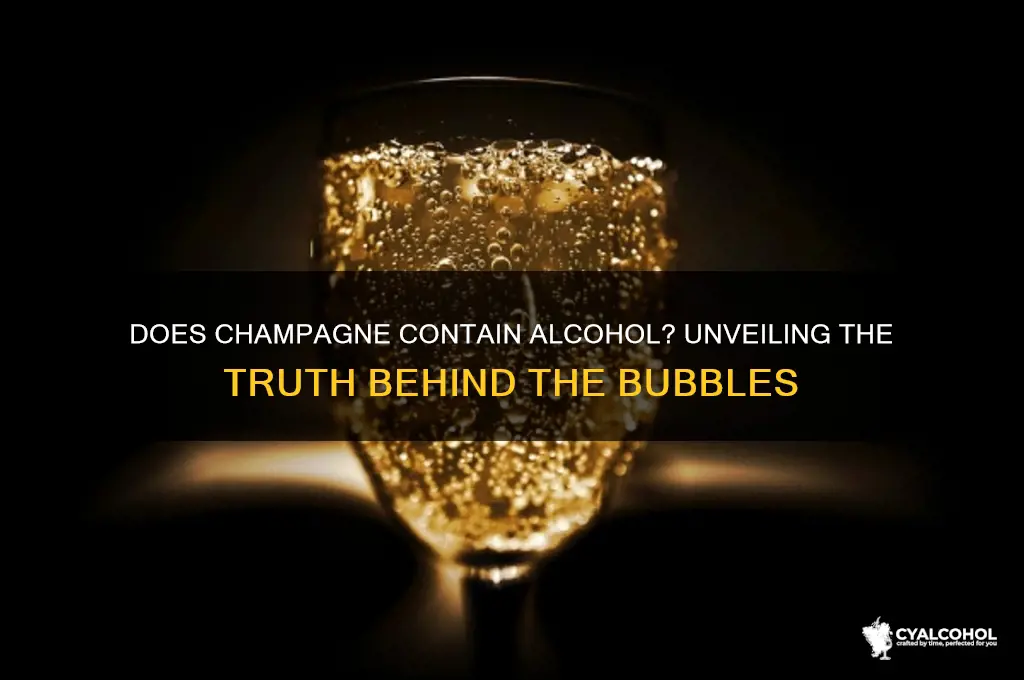
Champagne, the effervescent nectar of celebration, has a complexity as enchanting as the sparkling bubbles that dance in its glass. The swirling effervescence whispers secrets of its creation, inviting connoisseurs and novices alike to partake in a ritual as old as time. But does Champagne possess the spirited essence of alcohol? As we embark on this bubbly odyssey, we will uncover the components that make this divine libation both intoxicating and alluring, all while exploring its cultural significance, production process, and the myriad ways it captivates the senses.
At its core, Champagne is a wine, specifically a sparkling wine produced in the Champagne region of France. In the alchemical transformation from grapes to glass, the process of fermentation plays a pivotal role. The primary ingredient, the humble grape, undergoes a metamorphosis, a little like a caterpillar blossoming into a butterfly, morphing from simple fruit into a complex elixir. This transformation is initiated by the act of fermentation, where natural sugars in the grape juice are consumed by yeast, resulting in alcohol and carbon dioxide. So, yes, inherent in every effervescent sip of Champagne is alcohol—typically ranging from 12 to 13 percent by volume, the equivalent of a gentle embrace. This is not just a number but a testament to the meticulous craft engaged in by the winemakers of Champagne.
To understand the allure of Champagne, one must peer beyond its beguiling bubbles. Within each bottle lies history, tradition, and artistry. The terroir—the unique combination of soil, climate, and vineyard practices—imbues the grapes with flavors that evoke the very essence of the land. The grapes, primarily Chardonnay, Pinot Noir, and Pinot Meunier, are hand-harvested, a labor-intensive process that engages the senses long before they reach the fermentation vessel. This commitment to quality is mirrored in Champagne’s appellation d’origine contrôlée (AOC) status, ensuring that every cork popped corresponds to rigorous standards and a promise of excellence.
While the production of Champagne is an intricate ballet of nature and nurture, its intoxicating power also lies in its social connotations. Champagne, often referred to as the “drink of kings,” has historically been linked to occasions of significance. It punctuates celebrations and milestones—a shimmering companion for weddings, anniversaries, and achievements alike. The act of toasting, where glasses clink in a rhythmic symphony, is not merely a tradition; it is an acknowledgment of shared joy, where the bubbles become symbols of ephemeral happiness. Each sip encapsulates laughter, love, and legacy, demonstrating how Champagne transcends the physical realm of taste to touch upon the emotional dimensions of life.
Moreover, one cannot explore the realms of Champagne without pondering the intricate science behind its effervescence—the secondary fermentation method known as méthode champenoise or méthode traditionnelle. After the primary fermentation, a blend of wine, sugar, and yeast is added to initiate this secondary fermentation, encasing the carbon dioxide within the bottle. This process doesn’t just produce bubbles; it creates a nuanced complexity, crafting flavors that pirouette on the palate. The meticulous riddling process—an art form in itself—ensures that sediments are properly collected, embodying the dedication of the vintner. Such attention to detail speaks to the essence of what makes Champagne more than just a beverage; it transforms it into an experience, one that tantalizes the senses in ways that are both elegant and exquisite.
Yet, while the presence of alcohol is certainly felt in every glass, the perception of that alcohol can be as elusive as the bubbles that burst upon the tongue. Champagne’s acidity and effervescence often mask the alcohol’s effects, making it deceptively drinkable. This intricate deception lends itself to evenings alight with conviviality, where revelers indulge in the joyous abandon that a perfectly chilled bottle can inspire. Herein lies the duality of Champagne—it is both celebratory and contemplative, a libation that inspires jubilation while also inviting introspection.
Moreover, the culinary pairings that accompany Champagne elevate its charm, transforming any meal into a grand affair. Be it the salty allure of caviar, the delicate embrace of oysters, or the indulgent richness of soft cheeses, Champagne enhances flavors, establishing a symbiotic relationship with food that awakens the palate. As the bubbles burst, they carry the weight of the day’s burdens away, leaving behind a trail of lightness and gaiety, a jubilant reminder that life—like Champagne—should be savored.
In conclusion, Champagne is undoubtedly infused with alcohol—an essential component in its enchanting composition. Yet, the true narrative of Champagne extends far beyond its alcoholic content; it is a tapestry woven from history, tradition, craftsmanship, and celebration. Each bottle encapsulates an invitation to share in the joy of life’s milestones, all while reminding us of the exquisite pleasures that exist in moderation. So, as you uncork that next bottle, remember: it is not merely the alcohol that tantalizes but the rich history and joy encapsulated within each bubble, a reminder that life is a celebration meant to be cherished—one sip at a time.






Leave a Comment