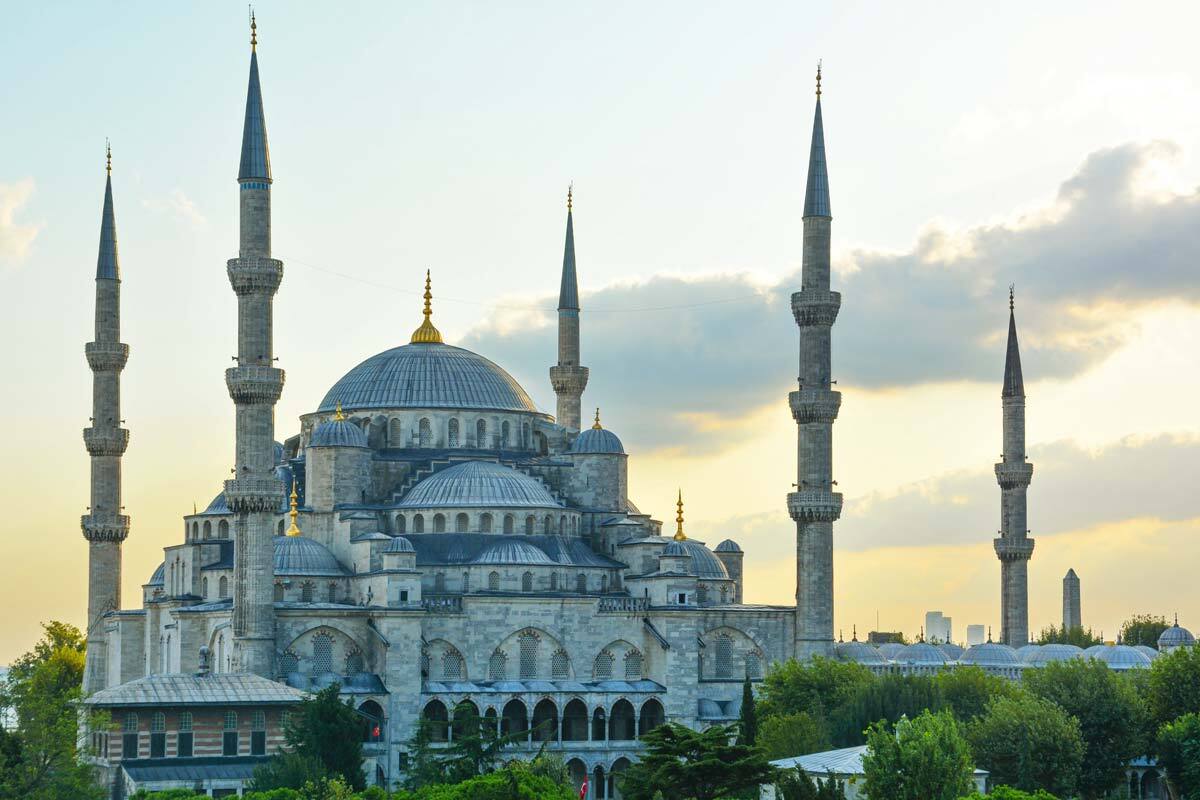
Turkey stands at the crossroads of continents, a country rich in history, culture, and architectural marvels. Amongst its many wonders, one landmark continues to captivate the hearts and minds of millions: the Hagia Sophia. More than just a building, the Hagia Sophia symbolizes the intersection of multiple civilizations and religions, unifying them under its majestic dome. This article delves into the importance of the Hagia Sophia, exploring its architectural brilliance, historical significance, and enduring allure.
Architectural Brilliance
At first glance, the Hagia Sophia is a breathtaking example of Byzantine architecture. Erected in 537 A.D. under the orders of Emperor Justinian I, this edifice was initially constructed as a cathedral. The design is characterized by its massive dome, beautifully adorned interiors, and intricate mosaics, all of which represent a monumental achievement in engineering. The dome itself, which appears to float above the central nave, is supported by an innovative system of pendentives—curved triangular sections of masonry transitioning the weight from the dome to the square below.
Visitors often find themselves enthralled by the play of light inside the structure. As the sun filters through the intricate stained glass windows, it creates a serene atmosphere that invites contemplation. The soaring ceilings and elaborate decorations not only inspire admiration but also provoke a deeper connection with the spiritual and historical narratives the Hagia Sophia embodies.
Historical Significance
The Hagia Sophia’s historical journey is as complex as its architectural design. Originally serving as an Eastern Orthodox cathedral for nearly a thousand years, it was the central church of the Eastern Orthodox Church, symbolizing the power and wealth of the Byzantine Empire. Following the conquest of Constantinople in 1453, it was transformed into a mosque under Ottoman Sultan Mehmed II, who famously declared, “It is now a mosque.” This transition marked a significant change in religious and cultural dynamics in the region.
In the centuries that followed, the structure underwent several modifications, including the addition of minarets and a mihrab. The Hagia Sophia served not only as a place of worship but also as a symbol of the Ottoman Empire’s might and grandeur. It was a place where art and culture flourished; calligraphy overshadowed religious figures, as the prevailing Islamic ethos discouraged their depiction in religious spaces.
In 1935, the republic of Turkey, under Mustafa Kemal Atatürk, secularized the Hagia Sophia, transforming it into a museum. This move was indicative of broader efforts to modernize and secularize the nation, allowing people from various backgrounds to appreciate its historical and architectural beauty. Yet the allure of the Hagia Sophia has not waned; rather, it has become a powerful emblem illustrating the complexity of Turkey’s past.
Multifaceted Spiritual Legacy
One of the most profound aspects of the Hagia Sophia is its ability to resonate with diverse audiences. For Christians, it is a historical sanctuary that harks back to the early days of the faith, filled with echoes of prayer and worship. The intricate mosaics depicting Christ, the Virgin Mary, and various saints will evoke contemplative reflection. For Muslims, the structure offers a rich Islamic heritage; it stands as a testament to the Islamic Golden Age, with its calligraphic art and architectural splendor representing the profound spiritual connection that transcends time and religion.
Visitors often find themselves moved by the interplay of these two religious traditions, contemplating the coexistence of different cultures and beliefs within the same space. It stands as a reminder of the shared history and ongoing dialogue between Christianity and Islam.
A Contemporary Symbol
Today, the Hagia Sophia continues to inspire fascination. Its status has shifted yet again, as it was reconverted into a mosque in 2020, sparking debates globally about cultural heritage, religious identity, and political power. The structure is more than just a site for worship; it has become a symbol of national pride for many Turks, a manifestation of their rich historical tapestry woven from various threads of civilization.
This recent reconversion has elicited mixed reactions, opening up discussions about the preservation of diverse histories and the role of religious structures in contemporary society. The Hagia Sophia stands as a living testimony to the complexities inherent in a multicultural landscape, inviting dialogues about heritage and identity.
Visitor Experience
For those who make the pilgrimage to Istanbul, visiting the Hagia Sophia is an unforgettable experience. As visitors approach, they are met by its grandiose façade, which beckons them into a world where time and history collide. Once inside, the vastness of the dome and the euphony of silence create an atmosphere ripe for introspection.
The experience is profound; each corner and every detail tells a story, inviting visitors to lose themselves in the labyrinth of history. Guided tours offer insights into the significance of various architectural features, while audio guides provide an in-depth narration of its multifaceted past. Whether one is spiritually inclined or simply an admirer of beauty, the Hagia Sophia provides a transformative experience—one that lingers long after leaving its historic walls.
Conclusion
In conclusion, the Hagia Sophia is more than the most important landmark in Turkey—it is a testament to the confluence of civilizations, a narrative woven with threads of faith, art, and history. Its magnificence does not merely lie in its physical grandeur but also in its ability to encapsulate the essence of human experience through the ages. As the world continues to evolve, the Hagia Sophia will undoubtedly remain a beacon of cultural heritage, inspiring countless generations to marvel at its timeless beauty and significance.









Leave a Comment