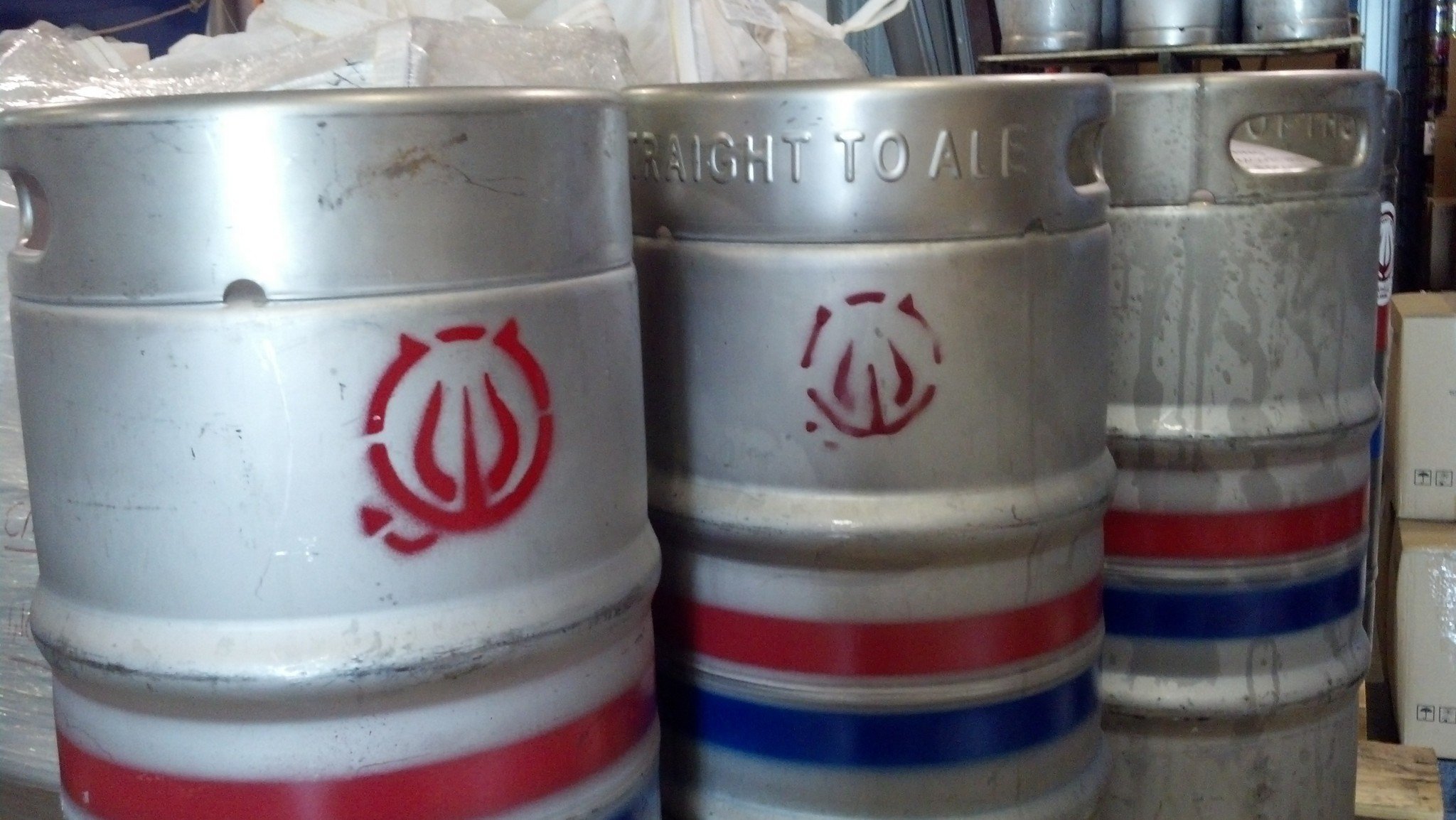
When contemplating a gathering, be it a casual barbecue or an extravagant wedding, one question invariably surfaces: how much does a keg of beer cost? This seemingly straightforward query beckons exploration beyond mere dollar amounts. The answer lies in a tapestry woven with various threads, including the type of beer, keg size, geographical location, and even the current market trends. Let’s embark on this journey to unravel the intricacies and nuances that contribute to determining the price of a keg of beer.
1. Understanding Keg Sizes
To accurately gauge keg pricing, one must first become familiar with the various keg sizes. Kegs come in several standard dimensions, each holding different amounts of beer:
- Full Size Keg (Half Barrel): Typically contains 15.5 gallons, equating to roughly 165 12-ounce servings. It is the most common choice for large gatherings.
- Quarter Barrel Keg (Pony Keg): Holding 7.75 gallons, this keg provides around 82 12-ounce servings. Ideal for smaller parties or as a secondary option.
- Sixth Barrel Keg (Sixtel): With a capacity of 5.16 gallons, this format yields approximately 55 12-ounce pours. It offers flexibility for microbrews and craft selections.
Understanding these sizes not only aids in selecting the right amount of beer for your event but also influences the price you can expect to pay. Larger kegs often provide better per-serving value but come with a higher upfront cost.
2. The Type of Beer Matters
The choice of beer also plays a pivotal role in keg pricing. Various styles and brewing methods can greatly affect costs:
- Domestic vs. Craft Brews: Domestic beers, produced by large breweries, are generally less expensive than craft beers, which often bear a premium due to small-batch processes and specialized ingredients.
- Seasonal and Limited Releases: Special seasonal brews or limited-edition releases can command higher prices, reflecting their scarcity and the unique brewing techniques employed.
- Freshness and Quality: Many consumers are becoming increasingly discerning, favoring local breweries or organic options, which may also raise keg costs.
This divergence in beer types not only shapes the consumer experience but also steers the financial expectations surrounding keg purchases.
3. Local Market Dynamics
Geographical location undeniably influences keg prices. In metropolitan areas, costs may be driven higher by surging demand and limited supply, while in rural regions, prices might dwindle due to lower operational costs. Additionally, state laws concerning alcohol distribution can lead to significant variations in pricing. A keg in California could easily cost more than one in Texas, reflecting local taxes and regulations.
4. Factors Influencing Cost
Several layers of cost factors contribute to the final price of a keg of beer:
- Producer Pricing: The brewery’s pricing strategy, influenced by production costs, marketing, and competition, will reflect in the price of the product.
- Distributor Markup: After the beer leaves the brewery, distributors add a markup, pertinent to their operating costs and profit margins.
- Retailer Costs: Bars, restaurants, and liquor stores inherently add their own mark-up, which encompasses overhead, labor, and location-based expenses.
By examining these interrelated cost factors, consumers can better understand why keg prices fluctuate and how to make informed purchasing decisions.
5. Price Ranges
In practical terms, keg prices can vary significantly. A standard half-barrel keg of a popular domestic beer might range from $100 to $200, while a craft beer keg could soar between $200 and $400 or even higher, depending on its exclusivity and the production method utilized. As for specialty options, such as those containing high-alcohol or unique flavor profiles, prices can quickly escalate beyond the $500 mark.
Additionally, it’s essential to include potential deposit fees, which can range from $30 to $150 for the keg itself, depending on the retailer or brewing company.
6. The Event Consideration
The context in which the keg will be used plays a crucial role in purchasing decisions. Larger events may necessitate bulk purchases, which can yield discounts from suppliers, resulting in significant savings. Conversely, intimate gatherings might benefit from smaller keg selections to prevent waste. When deciding on beer quantity, it’s wise to estimate consumption rates, keeping in mind that not all guests will indulge equally.
7. Renting vs. Buying
Another financial consideration is whether to rent or purchase necessary dispensing equipment. While renting may incur upfront expenses, it could circumvent logistical challenges at your event. Weigh the pros and cons before deciding which route best suits your needs.
In sum, understanding keg pricing is not merely a matter of numbers; it is an exploration into a semi-opaque world filled with diverse influences and factors. By embracing all these elements—keg sizes, beer types, regional pricing variances, and more—one can navigate the complexities of kegs and make informed decisions that ensure a successful gathering. Whether you are hosting a festive soirée or a corporate event, knowledge of these intricacies will empower you to make beer selections that not only please the palate but also honor your budget. As you pour that first pint, relish in the understanding that you’ve taken an informed step into the vivid tapestry of the beer experience.








Leave a Comment