In the culinary theatre, the baked potato stands as an unsung hero, a canvas of earthy goodness waiting to be transformed into a masterpiece. Traditionally shrouded in a cloak of aluminum foil, this simple tuber can unveil its true potential when roasted without its metallic attire. The act of cooking a baked potato without foil elevates it from mere sustenance to a symphony of flavors and textures, allowing the potato to bask in its own natural glory. This guide delves into the myriad delights of preparing a baked potato without foil, offering insights and techniques that will resonate with both novice cooks and seasoned gourmets alike.
1. The Allure of the Naked Potato
Embraced by the warm glow of the oven, a naked potato—free from the restraints of foil—becomes an exquisite embodiment of simplicity. Allowing the potato to breathe means that the skin can turn crispy, creating a delightful contrast to the fluffy interior. This crispy exterior acts as a protective barrier, locking in moisture while fostering a caramelized shell that is both robust and flavorful.
2. Selecting the Ideal Potato
Not all potatoes are created equal. The foundation of your culinary creation begins with the selection of the right spud. Russets—often hailed as the quintessential baking potato—boast a high starch content and a fluffy interior, making them a prime candidate for this endeavor. Their thick skin ensures that even without foil, each potato emerges intact, ready to deliver its starchy goodness. Alternatively, for those seeking a creamier texture, Yukon Golds offer a buttery flavor profile that is equally gratifying.
3. Prepping for the Oven: A Ritual
Preparing your potato is slightly akin to armoring a knight before battle. Begin by washing the potatoes under running water to evict any lingering soil. Employ a scrubbing brush to ensure that all remnants of earth are thoroughly eradicated. Following this, pat them dry with a paper towel, embracing the ritual that prepares them for their oven-bound journey.
Next, employ a technique often overlooked: pricking the skin with a fork. This simple act is like perforating a balloon; it allows steam to escape, preventing potential explosions during the roasting process. Consider this the knight’s shield, ensuring your potato arrives at the table whole and triumphant.
4. A Touch of Flavor
While the skin can shine in its unsullied state, a touch of olive oil nurtures the potato’s exterior and enhances the flavor profile. Gently massage the oil onto the potato’s surface, then sprinkle it with coarse sea salt—this dual infusion not only emboldens flavor but also amplifies the potential for an exquisitely crispy skin. Think of this as the potato’s regal gown, dressing it perfectly for its culinary soiree.
5. Roasting to Perfection
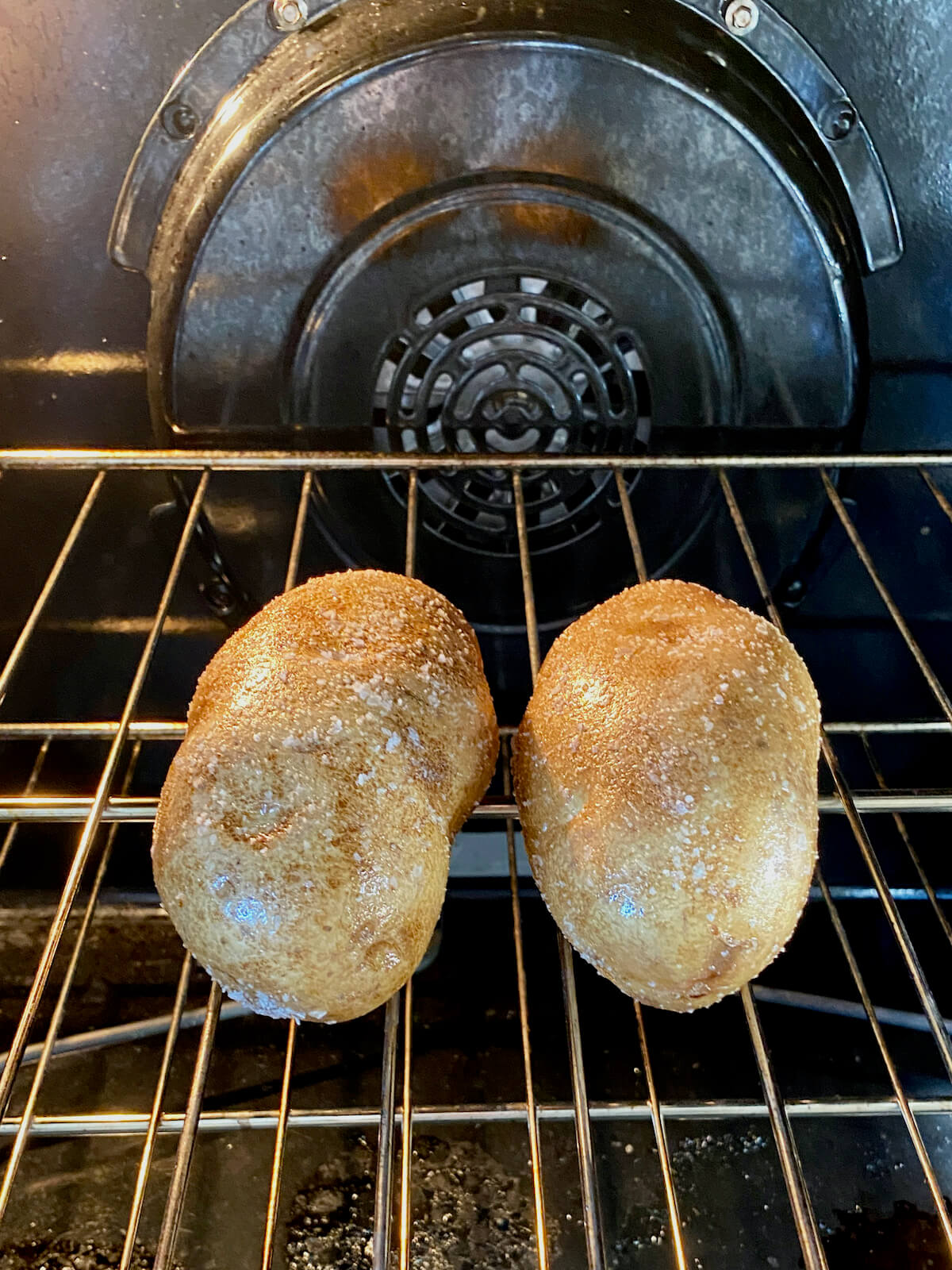
The next act in this gastronomic play unfolds in the oven. Preheat it to 425°F (220°C), allowing the warmth to envelop the potatoes like a cozy blanket. Place the unwrapped potatoes directly on the oven rack, their skins glistening with oil and salt, ready to transform. Roast for approximately 45 to 60 minutes, depending on size, until a fork meets no resistance and the skin has taken on a glorious bronze hue. The aromas wafting from the oven will invigorate your senses, a siren’s call that beckons you to partake in the feast.
6. Judging Doneness: The Fork Test
As the timer signals the end, the real craft lies in assessing doneness. Rather than relying solely on time, employ the fork test—piercing the potato with a fork should yield seamless penetration. If it feels as tender as a cloud, it’s ready to emerge from the oven, gloriously plump and utterly inviting.
7. The Art of Serving
Upon retrieval from the oven, allow a brief moment of reverence. The potato—now a vision of golden splendor—presents an intriguing canvas for toppings. Slice it open, letting the steam escape like a great sigh of relief. The interior, now fluffy and inviting, practically begs for embellishments. Classic toppings include butter, sour cream, chives, or shredded cheese, but more adventurous combinations—like caramelized onions, crispy bacon, or a dollop of tangy pesto—can transport your baked potato into realms of gastronomic ecstasy.
8. The Conclusion: A Culinary Celebration
The baked potato, when liberated from the confines of foil, stands tall—both a testament to the beauty of simplicity and the expansive possibility of culinary creation. Each bite reveals a complexity, a tribute to earth’s humble offering. So, as you step into your kitchen, let the baked potato be your muse. Embrace this culinary adventure, and let the allure of the naked potato guide you to new realms of flavor and texture, reminding you that sometimes, less truly is more.










Leave a Comment