Have you ever been in a situation where someone dramatically declares, “I’ve broken my bone!” only for a medical professional to gently clarify, “Actually, what you have is a fracture”? This playful exchange might leave you scratching your head, pondering the intricacies of vocabulary. What’s in a word, you may ask? A great deal, as it turns out! Understanding the distinctions between a broken bone and a fracture can empower you with knowledge that is not only useful but also critical in matters of health and safety.
First, let’s unravel the terminology. In layman’s terms, the phrases “broken bone” and “fracture” are often used interchangeably. However, while they share a conceptual foundation, subtle nuances exist that merit exploration. The beauty of language lies in its complexity, just like the human skeletal system itself.
When we refer to a fracture, we are generally speaking about any type of disruption in the continuity of bone. This encompasses a variety of complexities, ranging from hairline cracks to complete breaks, spanning several classifications based on their nature, severity, and the potential underlying causes. A broken bone, in a colloquial sense, suggests a more generalized or severe disruption that triggers immediate concern.
Understanding Types of Fractures
Fractures fall into various categories, and understanding these can clarify the difference between a simple break and a more complicated injury:
- Stable Fracture: The bone cracks but remains in alignment. This type is often less troublesome and may heal well with minimal intervention.
- Compound Fracture: This involves the bone breaking in such a way that it pierces through the skin, inviting a heightened risk of infection.
- Comminuted Fracture: The bone shatters into three or more pieces. This type may necessitate surgical intervention, complicating the healing process.
- Greenstick Fracture: Primarily seen in children, this is an incomplete fracture where the bone bends and cracks without breaking completely.
- Stress Fracture: These are small cracks often caused by repetitive force or overuse, commonly found in athletes.
Causes of Fractures
Now that we’ve delved into different types of fractures, it’s crucial to understand what typically leads to such injuries. Causes can vary widely:
- Traumatic Injury: Falls, accidents, or direct blows typically result in fractures, a common cause for a broken bone scenario.
- Osteoporosis: As our bones become more fragile with age, they are more susceptible to fractures even without significant trauma.
- Overuse: Repeated stress on the same bone through sports or intense physical activity can lead to hairline or stress fractures.
- Medical Conditions: Certain diseases may weaken bones, increasing the likelihood of fractures.
Symptoms and Diagnosis
Recognizing a fracture’s distinct characteristics is essential. When faced with a potential bone injury, knowing what symptoms to observe could be pivotal:
- Pain: Often severe and localized, signaling that immediate assessment is vital.
- Swelling: The area around the fracture may exhibit visible swelling.
- Deformity: An abnormal appearance or misalignment can suggest a more serious injury.
- Immobility: Difficulty in moving the affected limb often indicates a serious complication.
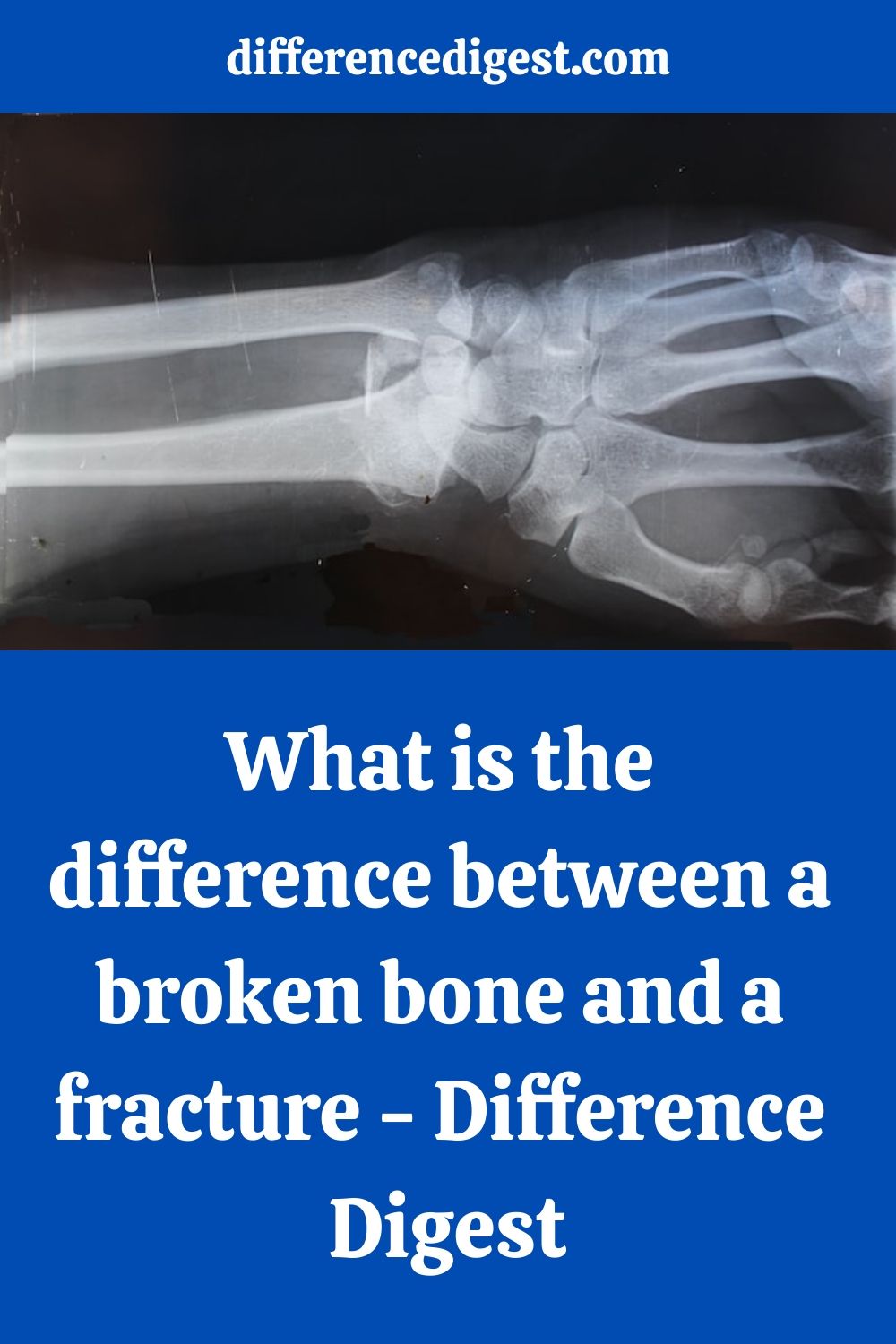
Diagnostic tools such as X-rays and MRIs are instrumental in confirming the presence and type of fracture. The role of imaging cannot be overstated, as it assists healthcare professionals in devising an appropriate treatment strategy.
Treatment Options
Upon diagnosis, the nature of the fracture will determine the treatment approach. Here are the primary options available:
- Immobilization: Many fractures heal through rest and support, using splints or casts to stabilize the affected area.
- Medications: Pain relief and anti-inflammatory agents can alleviate discomfort during the healing process.
- Surgery: Severe fractures, particularly compound and comminuted types, may require surgical intervention to realign the bones and secure them in place with pins, plates, or screws.
- Physical Therapy: Post-healing, rehabilitation exercises can restore strength and range of motion.
Prevention and Care
While some fractures are unavoidable, taking precautionary measures can significantly decrease the likelihood of bone injuries:
- Nutrition: A diet rich in calcium and Vitamin D strengthens bones and fortifies them against potential fractures.
- Exercise: Regular weight-bearing activities increase bone density, thus contributing to overall bone health.
- Safeguarding your environment: Reducing fall risks by ensuring well-lit and clutter-free spaces can be crucial, especially as we age.
Conclusion
In conclusion, while the terms “broken bone” and “fracture” are often used interchangeably, they embody distinct connotations in the medical realm. Understanding these differences not only enhances our vocabulary but equips us with the knowledge necessary for proactive health management. Next time you hear someone lamenting a broken bone, consider delving into a conversation about the nuances of fractures. After all, knowledge is the key to empowerment and wellbeing!









Leave a Comment