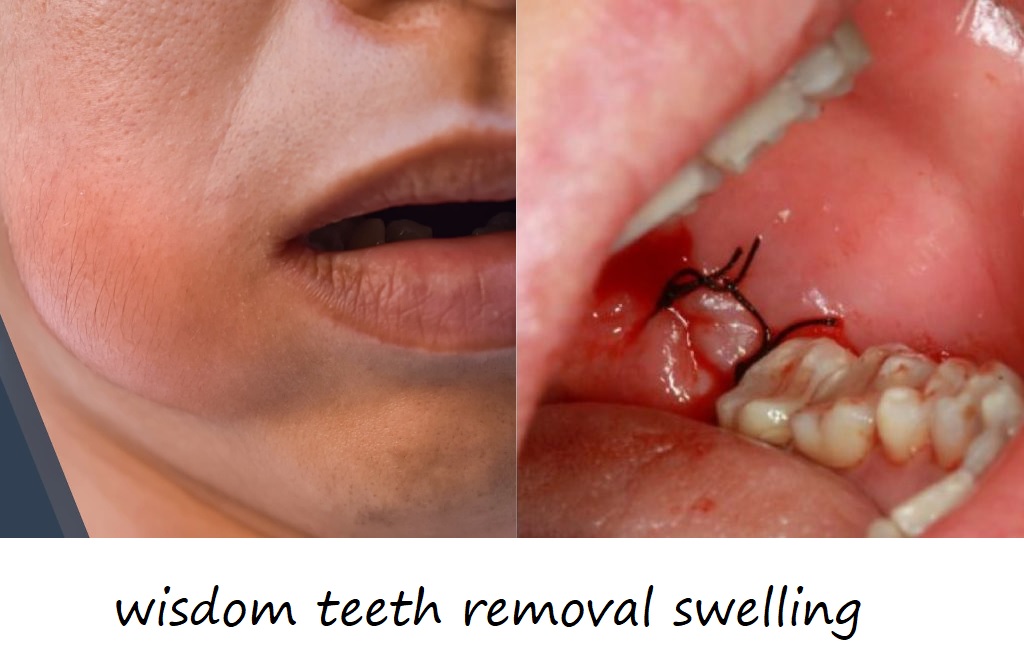
Undergoing wisdom teeth removal is a rite of passage for many, often heralded with a mix of anticipation and trepidation. If you’ve emerged from the operating room, freshly bandaged and slightly dazed, you might be asking yourself: “Why does my face look like a chipmunk on steroids?” Indeed, swelling is an all-too-common consequence of this dental procedure. However, understanding the intricacies of post-operative swelling can transform an uncomfortable experience into a manageable one. Let’s explore the nuances of after wisdom teeth removal swelling, the challenges it poses, and how to navigate the road to recovery.
The Onset of Swelling: What to Expect
Typically, swelling begins within the first 24 hours following the extraction. The body’s natural inflammatory response to surgery activates, drawing fluid and immune cells to the affected area. The result? A puffy appearance that can be disconcerting. Often peaking around the second or third day, this swelling can feel overwhelming. It’s crucial to know that this phenomenon is normal and your body’s way of healing.
Quantifying the Swell: How Much is Too Much?
While some swelling is to be expected, monitoring its progression is crucial. Mild swelling is manageable, but excessive or increasing swelling might signal an issue. If your face is developing unusual asymmetry or pain radiates beyond the surgical site, consulting your dentist or oral surgeon is recommended. Remember, while self-evaluation is important, professional expertise remains irreplaceable in these scenarios.
Combating the Puffiness: Effective Management Strategies
So, how can you mitigate the exasperating swelling? Here are some time-tested strategies that are both practical and easy to implement:
- Ice Packs are Your Best Friend: Applying an ice pack to the outside of your cheek in intervals of 15-20 minutes can be miraculous. This reduces inflammation and numbs the area, providing instant relief.
- Positioning Matters: Elevating your head while resting can minimize swelling. Consider using extra pillows to create a gentle incline while you sleep, as gravity can significantly reduce fluid accumulation.
- Gentle Hydration: While it may be tempting to skip hydration due to discomfort, maintaining fluid intake is paramount. Sipping on cool liquids or broths can help reduce swelling while aiding your body in the healing process.
- Medication Usage: Over-the-counter anti-inflammatory medications, prescribed by your dentist, can effectively curb both pain and swelling. Adhere to the dosage recommendations diligently.
- Nutrition Plays a Role: Consume soft foods like yogurt, smoothies, and soups. Avoiding hard, crunchy items will not only ease discomfort but also prevent aggravating the surgical sites.
Post-Surgery Challenges: Anticipating Complications
As with any medical procedure, post-operative care encompasses more than just managing swelling. While the majority of individuals experience a smooth recovery, it’s essential to be aware of potential complications, such as:
- Dry Socket: A painful condition where the blood clot at the extraction site dislodges, leading to increased pain and swelling.
- Infection: If swelling is accompanied by fever or pus discharge, it may indicate an infection requiring immediate attention.
- Prolonged Swelling: If swelling persists beyond a week, it could suggest underlying issues, warranting professional evaluation.
The Role of Follow-Up Appointments
Follow-up appointments play an invaluable role in monitoring your recovery progress. During these visits, your oral surgeon will assess the healing process and address any questions or concerns. Maintaining open lines of communication can significantly alleviate stress and ensure any complications are addressed promptly. Remember, an informed patient is a prepared patient.
When to Seek Help: Navigating Uncertainty
Empowering oneself with knowledge is critical, but understanding when to seek assistance is equally imperative. If you experience any of the following symptoms, contacting your healthcare professional is vital:
- Severe or worsening pain that is unmanageable with medication.
- Significant swelling that does not show signs of improvement or is accompanied by fever.
- Signs of excessive bleeding or oozing from the extraction site.
Maintaining a Positive Outlook
Finally, it’s essential to approach this recovery phase with a positive mindset. Acknowledging that discomfort and swelling are temporary can enhance your overall experience. Engage in light activities that promote relaxation, such as reading or watching films. Allowing yourself some time to recuperate without pressure will make the process feel more manageable.
In conclusion, while after wisdom teeth removal swelling can present a challenge, it is largely a transient component of recovery. Equipping yourself with effective management strategies, remaining vigilant about potential complications, and fostering a positive perspective can transform your post-operative journey into an empowering experience. So, as you embark on this healing path, remember to embrace both the bumps and the triumphs—it’s all part of the adventure! Your journey to recovery begins now!











Leave a Comment