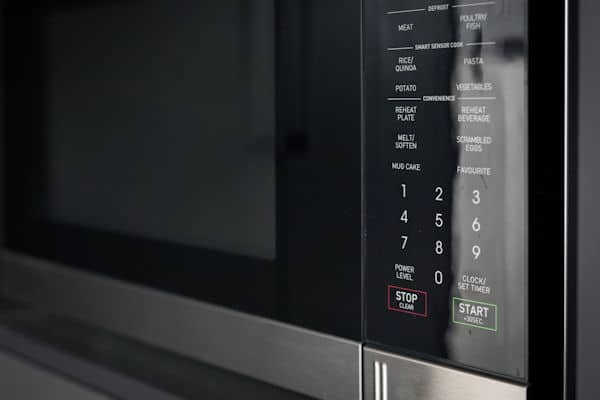
When it comes to reheating leftovers or warming up beverages, the microwave has become an indispensable kitchen appliance. However, not all materials are created equal when it comes to microwave safety. Among the most common materials used in cookware is stainless steel. But can you microwave stainless steel? This question often baffles home cooks and culinary enthusiasts alike. With stainless steel’s widespread use and its sleek aesthetic appeal, it’s important to understand its compatibility with microwave technology. Let’s delve into this subject with clarity and detail.
1. Understanding Stainless Steel
Stainless steel is an alloy composed primarily of iron, carbon, and a minimum of 10.5% chromium. This unique composition provides it with exceptional resistance to corrosion, rust, and staining. Its durability and ability to withstand high temperatures make it a popular choice for cookware, kitchen utensils, and appliances. However, these same characteristics also make it problematic when considering microwave use.
2. Microwave Mechanics
To comprehend why certain materials interact with microwaves differently, we must first grasp the fundamental workings of the microwave oven. Microwaves emit electromagnetic waves that excite water molecules within food, generating heat and causing the food to warm up quickly and uniformly. Materials that contain water or are designed to absorb these waves generally perform well in microwaves, while others that reflect or do not interact with the waves can cause problems.
3. The Reflection Conundrum
One of the primary reasons stainless steel is not suitable for microwave use is its reflective nature. Stainless steel reflects microwaves instead of absorbing them. This can lead to uneven heating and, in some instances, can cause sparks, potentially damaging the microwave or even causing a fire hazard. Therefore, it’s generally advisable to avoid placing stainless steel items in the microwave, especially those that are not microwave-safe.
4. Safe Alternatives: Microwave-Safe Containers
For those who seek microwave convenience but want to use materials that are safe and effective, consider alternatives such as glass, ceramic, and specifically marked microwave-safe plastics. These materials are designed to absorb microwaves and can handle the heat produced during cooking. Glass containers, for example, are non-reactive and do not leach harmful chemicals into food, making them an excellent choice for reheating meals.
5. Exceptions to the Rule
While standard stainless steel cookware is not microwave-friendly, there are exceptions. Some manufacturers produce stainless steel containers marked as microwave-safe. These products are specifically designed to withstand microwave heating without causing risks associated with typical stainless steel. They often feature a hybrid design that allows for microwave compatibility. However, it is crucial to check the manufacturer’s guidelines before using any such product in a microwave.
6. Why Types of Stainless Steel Matter
Not all stainless steel is the same. Different grades of stainless steel can exhibit varying properties. For instance, 304-grade stainless steel, commonly used in kitchen appliances, has excellent corrosion resistance, which can make it suitable for certain food applications but not necessarily for microwaving. Understanding the specific type and quality of stainless steel is essential when determining its microwave safety.
7. What to Avoid When Microwaving
While the conversation often revolves around stainless steel, there are other materials that one should exercise caution with in a microwave. Items with metallic trims or paints may also pose hazards, as these can reflect microwaves and create sparks. Additionally, utensils with a pattern of gold or silver should be avoided, as the metals can cause serious malfunctions.
8. Additional Safety Tips
When utilizing a microwave, observe the following safety measures:
- Always use containers that are specifically labeled as microwave-safe.
- Avoid using aluminum foil or metal pans, as these can cause arcing.
- Ensure that lids are microwave-safe; some materials can warp and release harmful chemicals.
- Consider using microwave-safe wraps to cover food, as regular plastic wraps can melt.
9. Conclusion
In conclusion, while stainless steel boasts numerous advantages, its reflective properties make it unsuitable for microwave use in most instances. Opting for materials that are explicitly designed for microwave heating can save time and enhance the safety of your cooking endeavors. Always prioritize cookware that is clearly marked for microwave usage, and opt for safer alternatives like glass or certain plastics. Understanding the nature of both your materials and your microwave can help you make informed decisions, ensuring that your cooking experience remains effective and safe.








Leave a Comment