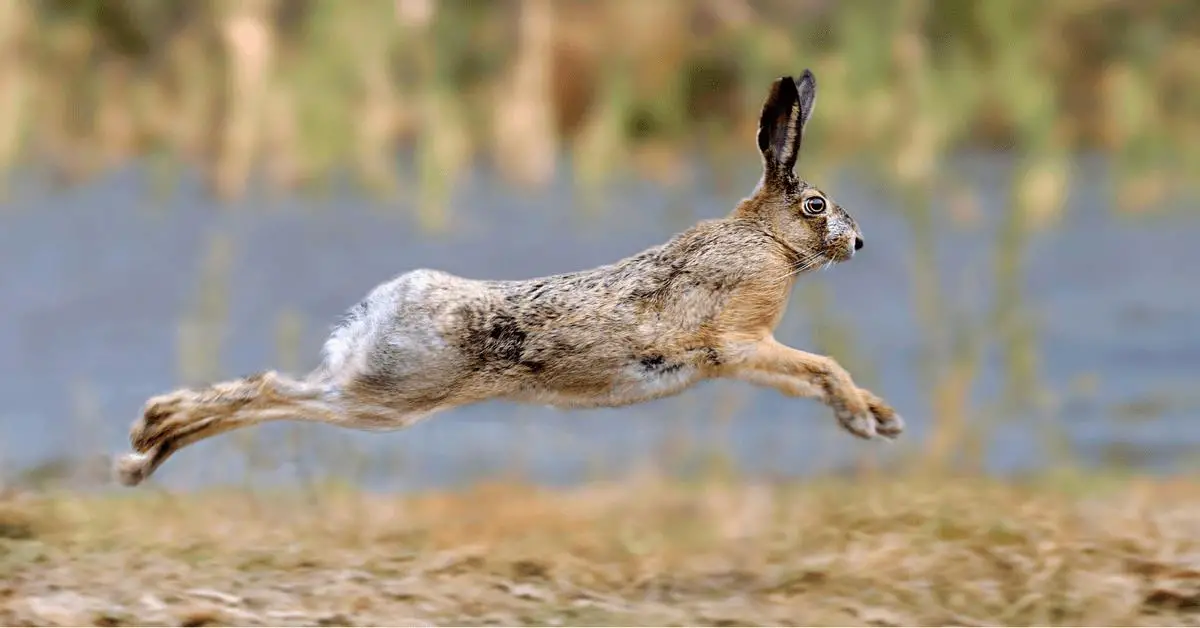
Rabbits are often associated with springtime, symbolizing fertility and renewal. Their gentle demeanor and twitching noses have captivated the hearts of many, but one of the more intriguing aspects of these petite creatures is their remarkable jumping ability. The question, “How high can rabbits jump?” serves not only as a curious query but also as a window into the fascinating world of these extraordinary animals. This exploration will not only quantify their leaping prowess but also delve into the biological mechanics behind their skills, their evolutionary significance, and how their jumping ability impacts their behavior and interactions.
Understanding Rabbit Anatomy
The anatomy of a rabbit is finely tuned for agility and speed. Their long, powerful hind legs, coupled with their unique skeletal structure, allow them to achieve impressive heights. On average, domestic rabbits can jump around two to three feet high. However, certain breeds, such as the larger agouti or the New Zealand rabbit, may reach jumps of up to four feet under optimal conditions. This capability is not solely for show but serves various critical functions in their natural behavior.
Muscle Structure and Power
Rabbits possess a highly developed musculature in their hind legs, which is integral to their jumping ability. The strength of their muscles propels them upwards, while a unique muscle fiber composition—consisting largely of fast-twitch fibers—enables rapid explosive movement. This muscular efficiency allows rabbits not only to jump high but also to perform quick lateral movements essential for evading predators. The synergy between their leg muscles and skeletal design serves to enhance their innate survival mechanisms.
Importance of Jumping in the Wild
In the wild, the ability to jump high is paramount for rabbits. Predators such as foxes, hawks, and even domestic cats pose significant threats. The elevated jumps facilitate quick escapes, while their agility allows for sudden changes in direction, making it harder for predators to catch them. This adaptive behavior emphasizes the evolutionary significance of their jumping ability. Interestingly, wild rabbits often employ a specific technique termed ‘binky’—a joyful leap that demonstrates happiness, suggesting that their powerful jumps also play a role in social behavior and bonding.
Jumping as Part of Play and Exploration
For domestic rabbits, hopping and leaping serve a multifaceted purpose beyond just survival. Playfulness is a natural trait observed particularly in younger bunnies; their jumps are often part of exploratory behavior that helps develop spatial awareness. This playful hopping also provides essential physical exercise, aiding in muscle development and mental stimulation. Observing domestic rabbits engage in these antics can be both amusing and enlightening, revealing deeper aspects of their personality and needs.
Training and Encouraging Jumping
For rabbit enthusiasts and caretakers, encouraging jumping can be a delightful endeavor. Training a rabbit to navigate through jumps and obstacles not only provides exercise but also fosters a significant bond between the pet and owner. To start, set up a low jump using something soft, like a broomstick placed on shoeboxes. Gradually increase the height as the rabbit becomes more comfortable. Positive reinforcement with treats often results in successful training sessions. However, patience is vital; each rabbit has its unique temperament and willingness to engage in jumping activities.
Assessing the Limits of Their Ability
While jumping is a natural behavior for rabbits, there are limits. Overextending them, particularly in archaic or domesticated environments, can lead to health complications, such as sprains or fractures. Observing their body language is crucial; if a rabbit seems hesitant or reluctant to jump, it may indicate discomfort or disinterest. Maintaining a safe, stress-free environment is paramount for their overall well-being, ensuring that their jumping remains a joyful activity rather than a hazardous endeavor.
The Fascination with Rabbit Hops
The fascination with how high rabbits can jump stretches beyond mere numbers; it encapsulates the wonder of nature’s designs and the adaptations that animals undergo. Such agility reflects not only their physical prowess but also their evolutionary history. Rabbits have thrived in diverse ecosystems across the globe, becoming symbols of resilience and adaptability. Their impressive jumps accentuate a deeper exploration into their habitat, behavior, and the relationship they share with their surroundings.
The Importance of a Proper Environment
To capitalize on a rabbit’s innate jumping abilities, a suitable environment is essential. An optimum habitat that encourages jumping should include ample space, soft landing surfaces, and vertical structures like ramps or platforms. Providing varied terrain encourages exploration and utilizes their natural jumping instincts. Such an approach leads to holistic care, allowing for both physical activity and mental engagement.
In conclusion, the inquiry into how high rabbits can jump transcends the numerical aspect, unveiling layers of biology, behavior, and evolution. These agile creatures, with their capacity to leap impressive heights, invite us to appreciate the intricacy of life itself. They are not only a delight to observe but also embody charming glimpses of nature’s creativity. As we reflect on our understanding of rabbits and their extraordinary abilities, we uncover the joys of learning about the world around us—an endless source of fascination and wonder.











Leave a Comment