When it comes to optical prescriptions, a common question arises: are glasses prescriptions and contact prescriptions the same? The interplay between these two types of corrective lenses can often evoke confusion amongst consumers seeking vision improvement. Understanding the distinctions, as well as the particular nuances associated with each prescription type, can contribute to better visual health choices. This article will meticulously explore the differences between glasses and contact prescriptions, key factors to consider for both, and tips for navigating the prescription process.
Understanding the Basics of Vision Correction
Before diving into the intricacies of prescriptions, it’s imperative to grasp how both glasses and contacts function individually. Glasses typically sit a short distance away from the eyes, using lenses to refract light directly onto the retina. Conversely, contact lenses rest directly upon the eye’s surface, altering the path of light even more implicitly, leading to fundamental variances in prescription requirements.
The Fundamental Differences in Prescriptions
The disparities between glasses and contact prescriptions stem from their respective physical placements relative to the eye. While a glasses prescription indicates how corrective lenses should be calibrated for distance from the eye, contact prescriptions require a more nuanced approach. Notably, a contact lens prescription includes several specific parameters absent from standard glasses prescriptions.
- Base Curve (BC): This measurement relates to the curvature of the contact lens which must match the curvature of the wearer’s cornea. A well-fitted base curve ensures optimal comfort and functionality.
- Diameter (DIA): The diameter of contacts affects how they fit on the eye. It can significantly impact visual performance and comfort if the diameter does not align with the individual’s eye structure.
- Power (P): While both prescriptions state the power needed to correct vision, the values may differ. The lens shape and position also play critical roles in this determination.
- Brand and Material: Contact prescriptions often specify the brand or type of lens recommended, taking into account material, thickness, and transparency tailored to the wearer’s needs. Such specifics are generally irrelevant for glasses.
Astigmatism and Specialty Lenses
For individuals with astigmatism, the prescriptions take on a more intricate form. Glasses required for astigmatism typically include cylindrical measurements indicating the degree of lens curvature, while contacts often necessitate toric lenses with multiple optical powers. Additionally, specialized offerings like multifocal or bifocal contacts introduce further complexities, as they must cater to both near and far vision simultaneously, a calibration that commonly diverges from traditional glasses prescriptions.
Visual Acuity vs. Comfort
Another essential consideration lies in the differing focus on visual acuity and comfort. While both prescriptions aim to enhance vision, glasses primarily concentrate on correcting how light is processed, while contacts prioritize comfort due to direct contact with the eye. Therefore, an optimal contact lens fit might diverge from the glass lens specifications, as comfort can be significantly compromised if the prescription is not accurately tailored.
Factors to Consider When Choosing Between Glasses and Contacts
The decision between glasses and contacts is often subjective, dictated by lifestyle, comfort, and personal preference. Here are several significant factors to ponder:
- Lifestyle Activities: For active individuals, such as athletes or those engaging in physical hobbies, contacts provide a comprehensive field of vision and untethered movement.
- Comfort and Sensitivity: Some individuals find contact lenses irritating or experience difficulty with insertion and removal. Those with sensitive eyes may also prefer the non-intrusive nature of glasses.
- Vision Changes: For those whose vision fluctuates frequently, glasses can be a cost-effective option without the need for frequent lens replacement.
- Cost Considerations: Although the initial investment of frames may seem steep, ongoing maintenance and replacement of contact lenses can accumulate, influencing long-term financial commitments.
Consultation and Fitting: The Path to Precision
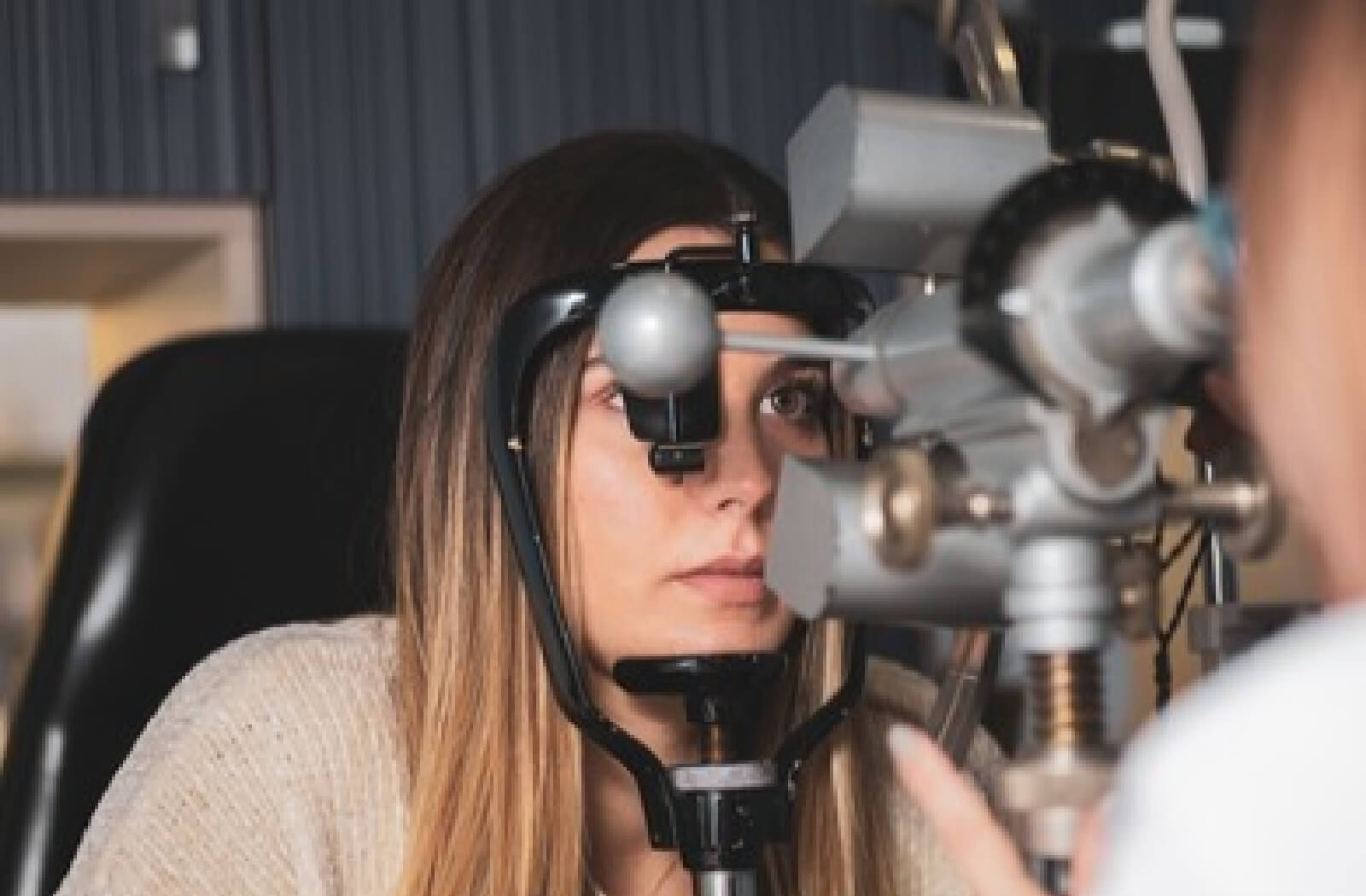
To ensure optimal vision correction, consulting an eye care professional for precise fitting is paramount. An annual eye exam becomes invaluable not just for updating prescriptions but also for evaluating changes in ocular health, which might impact lens choice.
For contacts in particular, the fitting process includes corneal topography to assess the eye’s shape, ensuring an accurate fit and mitigating discomfort. After determining a prescription, it’s advisable to trial different lens types, brands, and sizes to ascertain the best fit for both vision and comfort.
Conclusion: Navigating Your Vision Options
In essence, glasses prescriptions and contact prescriptions are not interchangeable. Each serves unique functions and requires different measurements tailored to individual needs. Understanding these distinctions is crucial for anyone considering vision correction. Whether opting for glasses, contacts, or a combination thereof, prioritizing comfort and visual clarity should remain at the forefront of your selection process. Engaging with eye care professionals will empower you to make informed decisions, leading to an enhanced quality of life through superior vision.









Leave a Comment