
The human body is a complex and intricate tapestry of interconnected structures, where balance and alignment play pivotal roles in overall well-being. Among these structures, the hips serve as a foundational fulcrum, supporting both movement and posture. Misalignment in this area can lead to a myriad of issues, from chronic pain to decreased mobility. The fascination with correcting hip alignment is not merely aesthetic; it delves into the realm of functional anatomy and holistic health. Herein lies a comprehensive guide on how to realign your hips effectively.
1. Understanding Hip Anatomy
To embark on the journey of hip realignment, familiarize yourself with the anatomy involved. The hip joint is a ball-and-socket joint, connecting the pelvis to the femur. Key components include ligaments, tendons, and muscles that stabilize and enable movement. Recognizing the role of structures such as the iliopsoas, gluteal muscles, and pelvic floor can illuminate how misalignment may occur.
2. Recognizing Misalignment Signs
Identifying misalignment is the first step in addressing it. Numerous indicators exist, often manifesting in subtle yet significant ways. Common symptoms include:
- Persistent hip or lower back pain
- Uneven legs or gait asymmetry
- Reduced range of motion
- Postural imbalances, such as leaning to one side
- Discomfort during physical activities, including walking or running
Each of these symptoms may serve as a bellwether for deeper issues related to alignment.
3. Assessment Techniques
Upon recognizing the signs of misalignment, it is vital to assess the degree and nature of the issue. Professional evaluation usually includes:
- Gait analysis: Observing how you walk can unveil critical insights into hip function.
- Physical examination: A skilled practitioner can palpate and assess muscle tension and joint mobility.
- Postural assessment: Evaluating standing posture can reveal compensatory patterns that suggest misalignment.
These techniques provide a roadmap for your realignment journey.
4. Stretching and Mobility Exercises
Addressing muscle tightness and enhancing flexibility is crucial. Incorporate the following exercises into your routine:
- Pigeon Pose: This yoga staple opens the hips and stretches the glutes, promoting flexibility.
- Lizard Pose: An excellent stretch for the hip flexors, facilitating mobility and reducing tightness.
- Hip Circles: Standing or kneeling, perform controlled circles with your hips to enhance joint lubrication.
- Butterfly Stretch: Sitting with feet together, gently press knees toward the ground to stretch the inner thighs.
Regular practice of these movements can gradually alleviate tension and foster alignment.
5. Strengthening Exercises
While flexibility is paramount, strength is equally vital for hitching your hips into proper alignment. Target key muscle groups with these exercises:
- Bridges: This exercise strengthens the glutes and lower back, fundamental for hip stability.
- Clamshells: This lateral movement targets the hip abductors, critical for maintaining proper alignment.
- Side Lunges: Engaging multiple muscle groups through dynamic movement enhances overall hip function.
- Single-Leg Deadlifts: This functional strength exercise challenges balance and engages core stability.
Consistency in strength training can fortify your hips against misalignment in the future.
6. Postural Awareness and Ergonomics
The way you sit, stand, and move throughout the day contributes significantly to hip alignment. A few practical adjustments include:
- Maintain an upright posture when sitting, with feet flat on the floor and hips and knees at right angles.
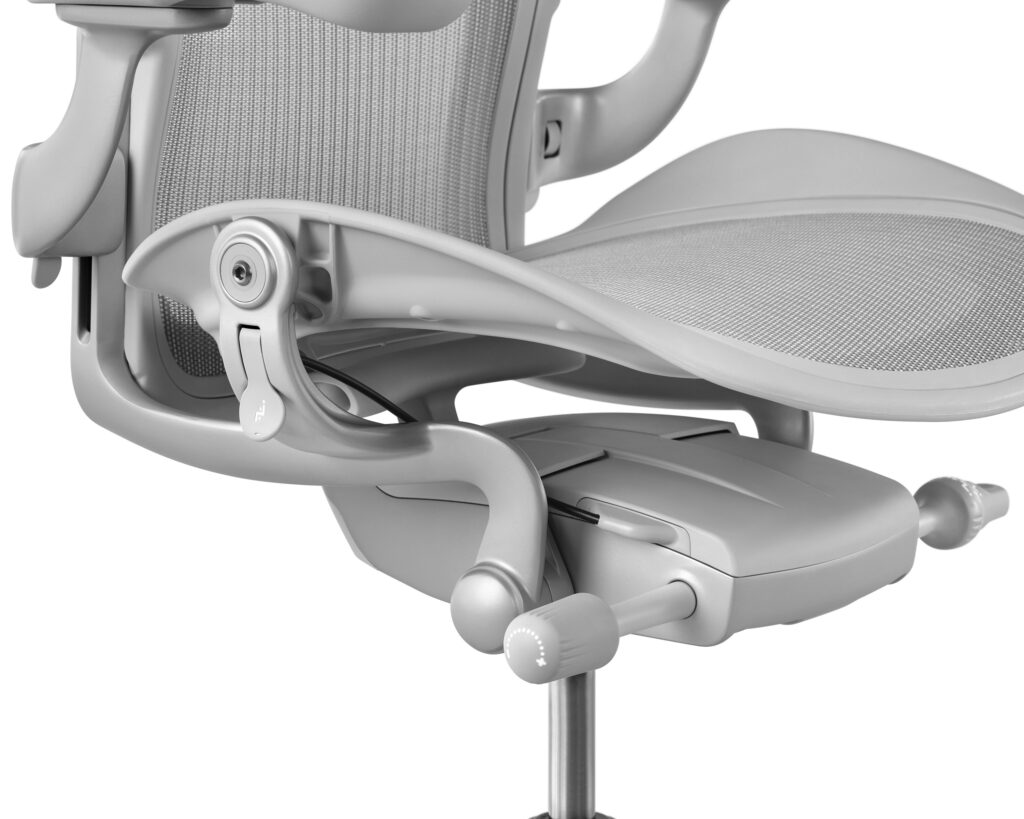
- Invest in ergonomic furniture that supports natural body mechanics.
- Periodically shift positions while seated to prevent prolonged compression on hip joints.
- When standing, distribute weight evenly across both legs to promote balance.
Awareness is the cornerstone of alignment.
7. Professional Interventions
In cases of severe misalignment, seeking professional assistance can expedite the healing process. Options include:
- Chiropractic care: Chiropractors employ spinal manipulation techniques to restore alignment.
- Physical therapy: Tailored rehabilitation plans can address muscular imbalances and enhance function.
- Massage therapy: Targeted massage can alleviate tension in surrounding muscles and promote relaxation.
These modalities complement self-directed strategies, fostering a comprehensive approach to realignment.
8. The Role of Mindfulness
Integrating mindfulness into your routine can profoundly affect your alignment efforts. Practices such as meditation and deep breathing can cultivate body awareness. By paying closer attention to physical sensations, you can identify areas of tension that may contribute to misalignment. Engaging in restorative activities, such as yoga or tai chi, can also enhance your mind-body connection, promoting balance and alignment over time.
In conclusion, realigning your hips requires a multifaceted approach that encompasses understanding anatomy, recognizing symptomatology, and employing various techniques aimed at flexibility, strength, and body awareness. By merging these elements into a cohesive practice plan, you can discover an enhanced quality of movement and a deeper appreciation for your body’s intricate design. Embrace this journey toward hip alignment, and enjoy the myriad benefits it bestows—not just physically, but holistically, enhancing your overall quality of life.









Leave a Comment