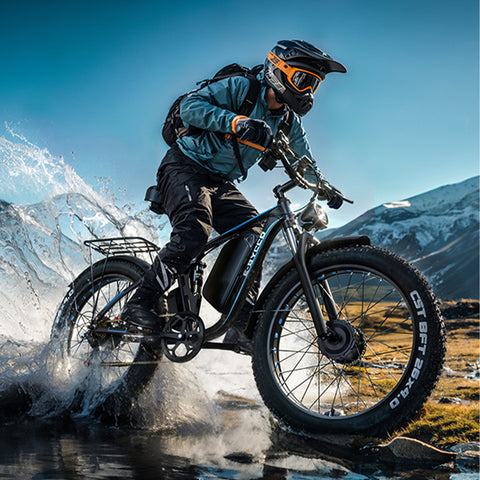
Electric bikes, often referred to as e-bikes, have surged in popularity, transforming the way we think about commuting and recreation. The intriguing query regarding their speed encompasses a variety of considerations, from the type of bike you choose to local regulations that govern permissible speeds. Understanding these intricate details can guide potential buyers and enthusiasts in making informed decisions.
In this article, we will delve into the various factors influencing the speed of electric bikes, examine the distinctions among different e-bike classifications, and provide insights into real-world performance. Whether you’re considering an e-bike for leisurely rides, commuting, or adventurous trails, grasping how fast these machines can go is essential.
1. The Fundamentals of Electric Bike Speed
Speed is often the first attribute aspiring e-bike owners evaluate, but it’s reliant on several pivotal components:
- Motor Power: The power of the motor is measured in watts. Typical e-bikes operate with motors ranging between 250 to 750 watts. Higher wattage can translate to greater speed, particularly on inclines.
- Battery Capacity: The battery’s amp-hour (Ah) rating affects how long the bike can maintain its top speed before needing a recharge. More capacity allows for prolonged use at higher speeds.
- Weight: Both the rider and the bike’s weight can influence speed. A lighter setup enables easier acceleration and maintains speed more effectively.
- Terrain: Different terrains, such as flat roads versus steep hills, inherently affect speed. E-bikes generally excel in urban environments where conditions are more favorable.
2. Classifications of Electric Bikes
Understanding the classifications of electric bikes is crucial for comprehending the variations in speed capabilities:
Class 1 E-Bikes
These bikes provide assistive power only when the rider is pedaling and shuts off assistance at speeds surpassing 20 mph. This design promotes physical exercise while still offering support on demanding rides.
Class 2 E-Bikes
Class 2 bikes come equipped with a throttle that allows the rider to propel the bike without pedaling, but like Class 1, they generally cease assistance at 20 mph. This feature is ideal for those seeking a more relaxed riding experience.
Class 3 E-Bikes
Class 3 models can assist the rider up to a speed of 28 mph, provided that the rider is pedaling. These e-bikes are often preferred for longer commutes and are suitable for quicker transportation.
3. Regulations and Legalities
It is essential to familiarize oneself with regional regulations as they govern e-bike speed and define which classifications are permissible on public roads and paths:
- Local Laws: Different states and municipalities have specific laws regarding e-bikes, from licensing requirements to speed limits. Understanding these can prevent fines or penalties.
- Bike Paths: Often, e-bikes may be required to stay under a specific speed when traversing bike paths, necessitating the need for speed awareness in various riding environments.
4. Speed Capabilities of Popular E-Bike Models
While individual specifications of an electric bike will vary, a few exemplary models exhibit notable performance in the speed category:
Commuter E-Bikes
Models like the RadPower RadCity series demonstrate capabilities of achieving up to 20 mph (Class 1), designed specifically for urban commuting and practicality.
Performance E-Bikes
For those yearning for speed, racing or performance e-bikes can reach impressive velocities. Brands like Trek and Specialized produce models that can exceed 28 mph, catering to enthusiasts and individuals with a focus on athleticism.
Mountain E-Bikes
Electric mountain bikes (e-MTBs) are engineered for rugged terrain, with speeds typically maxing out at 20 mph. However, their enhanced handling capabilities allow for thrilling experiences beyond just speed.
5. Real-World Factors Affecting Speed
Despite the aforementioned specifications, several real-world factors come into play that can alter how fast an e-bike can get:
- Weather Conditions: Wind resistance, rain, and temperature can all have significant impacts on speed. For instance, a strong headwind can hinder speed, while a tailwind can enhance it.
- Rider Input: Ultimately, the rider’s effort in pedaling plays a crucial role. Stronger pedaling can result in higher speeds, amplifying the synergy between motor and rider.
- Maintenance: Regular maintenance ensures optimal bike performance. Worn tires or inadequate battery health can drastically influence speed and efficiency.
6. Conclusion
Electric bikes present an exciting fusion of traditional cycling and motorized assistance, with speed capabilities that vary considerably based on type, model, and context. For potential buyers, understanding these nuances not only fosters informed choices but also lays the groundwork for appreciating the exhilarating experience an e-bike can provide. Whether commuting to work or embarking on adventurous trails, the perfect e-bike is out there, ready to elevate your cycling experience. Embrace the journey, and enjoy the ride!










Leave a Comment