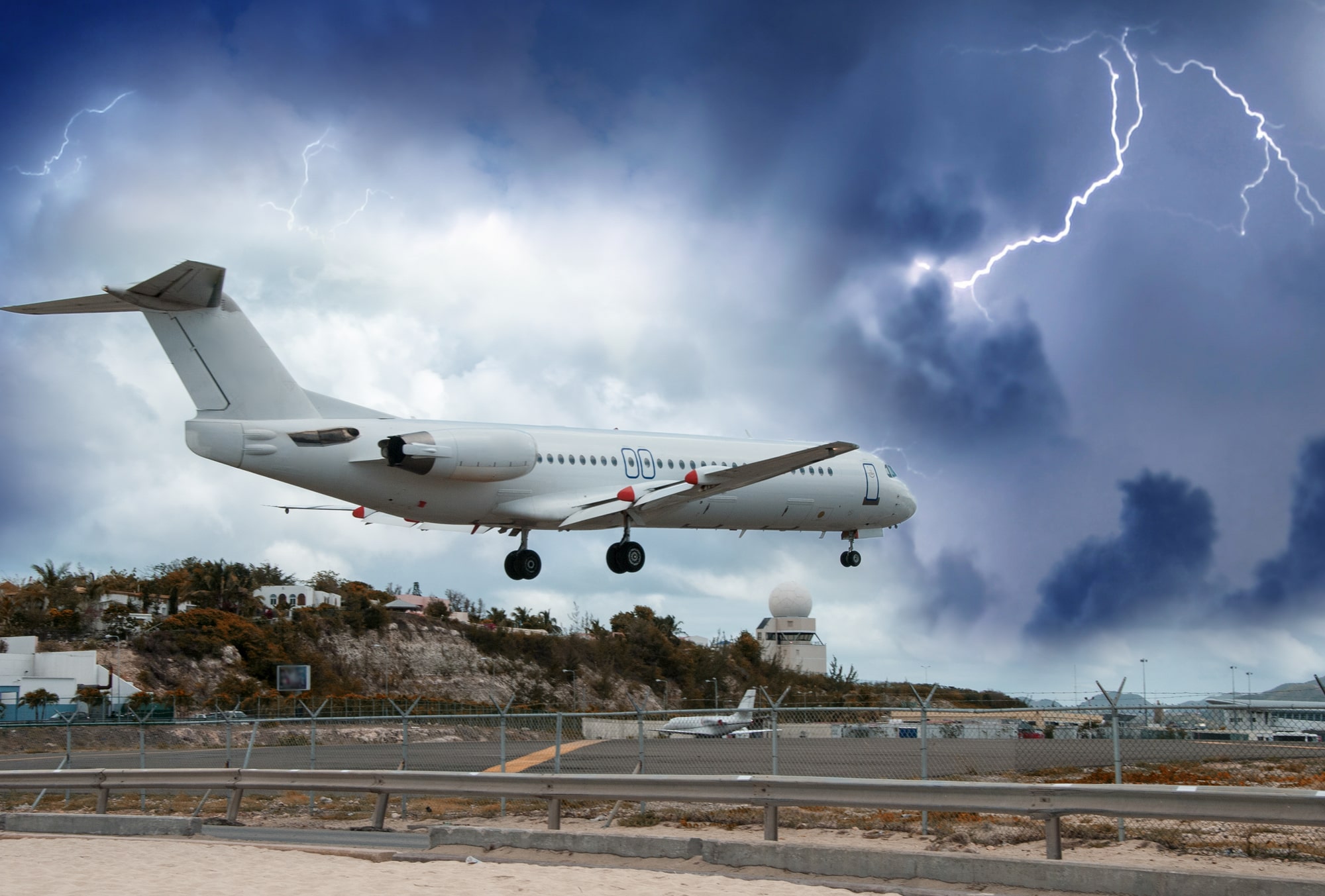
As the rumble of thunder reverberates through the atmosphere, many on the ground glance skyward, pondering the precarious relationship between flying and tumultuous weather. Thunderstorms are formidable natural phenomena, often evoking awe and trepidation alike. Nevertheless, it’s fascinating to consider that aircraft routinely navigate these violent systems, often without incident. This article delves into the enigma of whether planes can fly in thunderstorms, unraveling the complexities and shedding light on a subject that intrigues both seasoned travelers and aviation enthusiasts.
The Nature of Thunderstorms
To comprehend the aviation industry’s approach to thunderstorms, one must first understand the characteristics of these meteorological events. Thunderstorms are defined by their convective processes, which involve the rapid ascent of warm, moist air and the subsequent formation of towering cumulonimbus clouds. These clouds are the harbingers of various hazards, including lightning, hail, turbulence, and severe wind shear, all of which can precipitate perilous conditions for flight. The very essence of a thunderstorm—its electricity, its turbulence, and its atmospheric fury—fuels a deep-seated fascination with the intersection of nature’s power and human ingenuity.
Flight Operations and Thunderstorms
As pilots prepare for flight, they often receive detailed meteorological briefings that outline current weather conditions. Notably, thunderstorms are closely monitored using advanced radar systems that detect precipitation intensity and storm structure. However, this raises an essential question: how do airlines navigate such volatile conditions?
- Flight Diversion: The principal strategy employed by airline pilots is to avoid thunderstorms whenever possible. routing aircraft around these tempestuous systems is a standard practice. Modern aircraft are equipped with sophisticated navigation systems that allow them to circumvent areas of extreme weather by plotting courses that steer clear of thunderstorm activity.
- Altitude Adjustment: If avoidance is not feasible, pilots may request altitude changes to climb or descend above or below the turbulent layers. Thunderstorms can extend high into the atmosphere, but they typically have identifiable altitudes where conditions are more stable.
- In-Flight Weather Updates: During flight, pilots maintain communication with air traffic control and receive real-time weather updates. This information is critical in making well-informed decisions about navigation and safety.
The Role of Aircraft Design
The modern commercial aircraft is engineered with an impressive safety margin. This includes resilience to severe conditions encountered during storms. For instance, the fuselage is designed to withstand intense forces, while wings are built with flexibility to endure turbulence without structural failure. Additionally, many aircraft possess lightning protection systems. Though lightning strikes are relatively common, the probability of catastrophic failure is exceedingly low, as structural designs and materials minimize this risk. This intricate harmony between engineering and meteorology manifests the remarkable capacity of flight in the face of nature’s wrath.
Understanding Risks
Despite the sophisticated measures in place, it’s vital to acknowledge the dangers inherent in flying through thunderstorms. Turbulence, for instance, can be unpredictable and intense, instilling anxiety among passengers. Sudden gusts can disrupt an aircraft’s altitude and trajectory, leading to uncomfortable—or even dangerous—situations. Moreover, onboard and external instruments help detect and navigate weather conditions, but they are not infallible. Before a flight, a thorough risk assessment is conducted to determine the relative safety of proceeding through areas forecasted with lightning or severe turbulence.
The Myth of Thunderstorm Flight
Among the many misconceptions surrounding air travel is the belief that planes can fly “right through” thunderstorms. In reality, commercial airlines typically steer clear of the eye of the storm and its surrounding tumult. This misconception may stem from the myriad of visuals depicting aircraft operating under ominous skies, which can mislead the public regarding safety protocols. Airlines have clear policies grounded in empirical data ensuring that passenger safety remains paramount.
The Human Factor
While technology and the design of aircraft play pivotal roles in ensuring safety, the human element—the pilots—remains indispensable. Experienced aviators are trained to assess and respond to rapid changes in weather conditions with a level of calm and precision. Their judgment is honed through simulation training and real-world experience, allowing for effective navigation in adverse weather. This layer of preparedness and intuition adds depth to the fascination surrounding aviation and thunderstorms, revealing the symbiotic relationship between man and machine.
Conclusion: The Intersection of Safety and Wonder
As air travel continues to expand, the engineering of aircraft and the expertise of pilots play crucial roles in allowing planes to safely traverse the skies—even amidst thunderous storms. The intersection of flight and severe weather is a complex narrative woven with science, technology, and the human experience. As we marvel at the strength of nature from the safety of the ground, there continues to be a deeper fascination with the resilience of technology designed to withstand such ferocity. In every rumble of thunder, we are reminded of the intricate balance between human ambition and nature’s raw power, motivating curiosity and respect for both the skies and the engineering wonders that allow us to soar above the clouds.










Leave a Comment