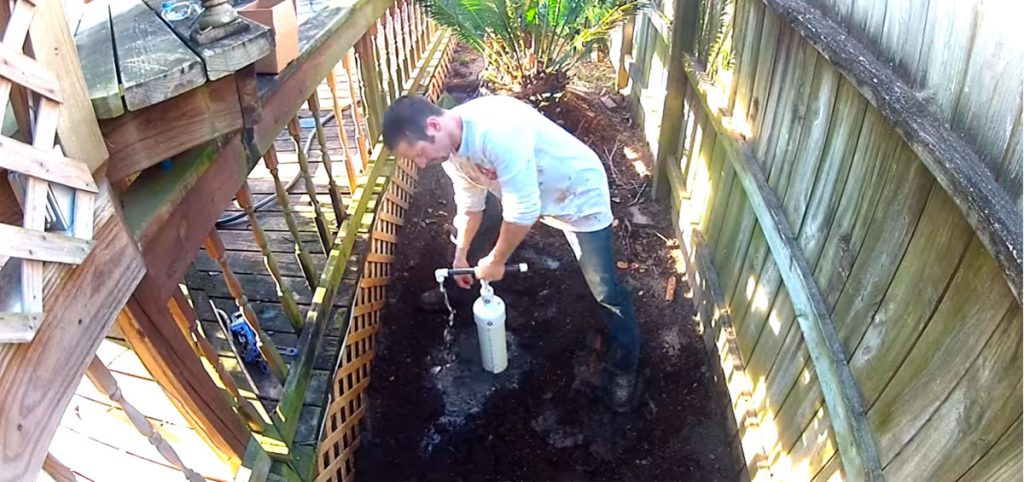
For those reliant on well water for their domestic needs, understanding the nuances of pump operation is imperative. Priming a well pump is essential to ensure an uninterrupted flow of water from the underground aquifer to your home. This process removes air from the pump and its related components, enabling it to efficiently draw water. This guide will elaborate on the essential steps and considerations involved in properly priming a pump for well water.
1. Understanding Pump Types
Before diving into the priming process, it’s crucial to identify the type of pump you possess, as methodologies can differ substantially. Common types include:
- Submersible Pumps: Installed deep within the well, these pumps are submerged in water, requiring less priming in typical conditions.
- Jet Pumps: Situated above ground, these pumps draw water from wells using suction and require priming to expel air from the system.
- Centrifugal Pumps: These pumps, commonly used for shallow wells, rely heavily on water to create the necessary vacuum for operation.
2. Tools and Materials Required
Before commencing the priming process, ensure you have the following tools and materials neatly organized:
- Bucket or hose to collect water
- Wrenches or pliers for adjusting fittings
- Funnel for a cleaner fill
- Safety goggles and gloves for protection
3. Safety Precautions
Safety should always be prioritized during any mechanical operation. Ensure you turn off the power supply to the pump to prevent accidental starts. Inspect the pump and surrounding area for any signs of electrical hazards or water leakage. Wear appropriate protective gear to shield yourself from any splashes or sharp metal fragments.
4. Locating the Priming Port
Most jet and centrifugal pumps are equipped with a designated priming port, often labeled for your convenience. This port is typically located on the top of the pump. Familiarizing yourself with its location beforehand can expedite the priming process.
5. Preparing to Prime
Before the actual priming can commence, take the time to check the water level in your well. If the water level is low, it may hinder the pump’s ability to operate even after priming. If in doubt, consult a professional regarding water levels and pump placement.
6. The Priming Process
Once you’ve assessed the water level and gathered your tools, you can begin the priming process. Depending on the pump type, the procedure may vary.
- For Jet Pumps:
- Remove the priming plug, which is usually located at the top of the pump.
- Using a funnel, pour water directly into the port until water overflows back out, signifying a filled pump chamber.
- Replace the priming plug securely to prevent any leaks.
- For Submersible Pumps:
- Identify the control box that connects to the submersible pump.
- Check for any airlocks; if they exist, it may require a brief but thorough disconnect and reconnect of power.
- Turn the power supply back on to allow water to be pulled into the pump.
7. Testing the Pump
After priming, it’s crucial to test the pump to ensure functionality. Turn on the power supply, and listen for the sound of water being pumped. Inspect for leaks around the priming port and ensure that the water flows steadily from the spout. If the pump emits a faint hum without delivering water, you may need to repeat the priming process or seek a technician’s expertise.
8. Regular Maintenance
To prolong the lifespan of your pump and enhance its efficiency, performing regular maintenance is essential. Periodically check connections, examine for wear and tear, and clean filters as necessary. Seasonal inspections can prevent unexpected breakdowns, ensuring that your water supply remains steady.
9. Troubleshooting Common Issues
Even with diligent care, issues may arise that could hinder pump performance. Some common dilemmas include:
- Inconsistent Water Flow: This may point to an obstruction in the intake line or impurities clogging the filter.
- Strange Noises: Grinding or squealing could indicate mechanical problems within the pump.
- Surge Pressure: Erratic water flow might require checking for leaks and ensuring all fittings are securely fastened.
Utilizing a proactive approach to troubleshooting can save both time and expense, leading to a more reliable water supply.
In conclusion, knowing how to successfully prime a pump for well water is a critical skill for any homeowner utilizing a well system. Understanding the specific type of pump, coupled with adherence to safety and maintenance protocols, will help ensure a reliable and efficient water source. By following the steps detailed above and remaining vigilant about regular upkeep, you can mitigate common issues and enjoy the comforts of a steady water supply without undue hassle.











Leave a Comment