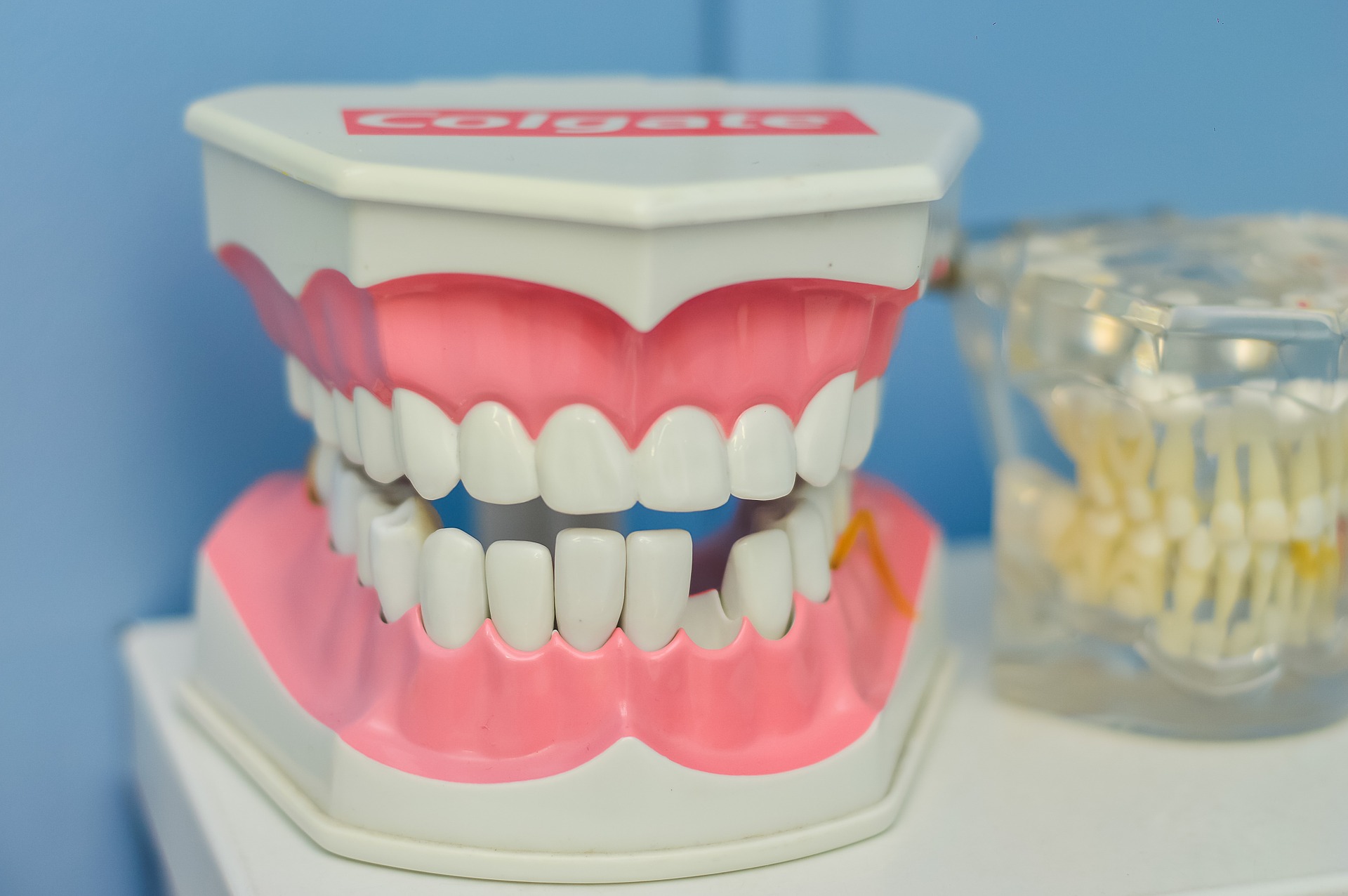
Imagine sipping a nice hot cup of coffee or biting into a crisp apple, only to be met with a sharp, jarring pain radiating through your mouth. This sensation can often indicate a dental issue lurking beneath the surface. One of the more insidious problems that can go unnoticed for some time is a cracked tooth. While the symptoms might vary, being able to recognize the signs of this condition is crucial for timely intervention. Let us delve into the various indicators that may suggest a cracked tooth and illuminate why dental vigilance is imperative.
1. Sudden or Intermittent Pain
While it would be easy to dismiss occasional discomfort as a fleeting annoyance, sudden or irregular pain is among the most prominent signs of a cracked tooth. This pain often manifests during certain activities such as chewing or biting down. The discomfort level can fluctuate; sometimes, it feels sharp, while at other moments, it may present as a dull ache, catching the unsuspecting individual off guard.
2. Increased Sensitivity to Temperature
Temperature sensitivity can serve as a telling sign of hidden dental distress. If an otherwise benign food or drink induces an uncomfortable sensation—a twinge of cold from ice cream or a jolt of warmth from a hot beverage—it might indicate that a crack has compromised the tooth’s protective layers. This heightened sensitivity stems from the exposure of the tooth’s inner pulp or nerve endings.
3. Pain When Chewing
Chewing is a fundamental action that should infuse joy into your dining experience. However, when this simple act becomes daunting due to pain, it might be time for a dental check-up. If you experience discomfort while gnashing your teeth solely on one side, it may indicate that a cracked tooth is stressing the surrounding tissue and nerves. Compensating by favoring the other side may exacerbate the issue.
4. Inconsistent Pain Symptoms
Interestingly, regardless of the specific location, pain resulting from a cracked tooth may not be consistent. The ache might manifest in intermittent bursts, creating a perplexing scenario where the individual is unsure of the source of the discomfort. This unpredictability can be misleading and part of why those suffering may delay seeking professional care.
5. Visible Cracks or Chips
Though not all cracks are visible to the naked eye, if you notice any chips, vertical fractures, or discoloration on the affected tooth, you should take heed. Sometimes, you may find small fissures on the surface that may not be accompanied by discomfort initially. Nonetheless, even minimal visual damage could signify underlying structural weakness, emphasizing the necessity of a closer examination.
6. Swelling in Gums
Gums act as the protective shield for your teeth, and swelling in this area can be a significant indicator of dental distress. If there is inflammation or tenderness around the tooth adjacent to the suspected crack, it may suggest the crack has led to an infection or abscess. Watch for additional changes in gum color and texture; these can be alarming red flags.
7. Changes in Bite Alignment
Another intriguing sign of a cracked tooth is a change in the alignment of your bite. If you have begun to feel that your teeth do not interdigitate the way they once did, or that they feel askew when you clench down, it could indicate significant dental issues warranting immediate attention. A crack can cause the tooth to shift, leading to postal discomfort in other teeth and jaw structures.
8. Visible Signs of Infection
In severe cases, a cracked tooth can lead to infection. Symptoms to watch for include pus or fluid discharge from the gums, as well as a foul taste in the mouth. If you experience these symptoms, it is paramount to seek immediate dental care. The risk of spreading infection can lead to more serious health implications.
9. Escalating Pain During Specific Activities
Have you noticed a peculiar pattern of pain? Many individuals with cracked teeth report escalated discomfort during specific activities such as grinding, clenching, or even during sudden jaw movements. This variability in pain can serve as a signal that further scrutiny of one’s dental health is necessary to ensure proper diagnosis and treatment.
10. Frequent Headaches
Headaches may appear to be distanced from dental issues, yet they are often another consequence of the stress related to a cracked tooth. If your jaw is compensating for the uneven pressure caused by a crack, it may result in discomfort that radiates to the temples, leading to frequent headaches. This connection highlights the interconnected nature of dental health and overall well-being.
11. Emotional and Psychological Impact
Lastly, a cracked tooth can extend beyond mere physical symptoms. The anxiety surrounding dental discomfort can lead to stress, impacting your emotional well-being. Awareness of these indicators can offer not only relief but also peace of mind, as prompt attention may evade the more troubling effects of dental neglect.
In conclusion, recognizing the signs of a cracked tooth is pivotal for maintaining optimal dental health. The symptoms can often be subtle or misleading, appearing sporadically and varying in intensity. By remaining vigilant and aware of these indicators, you can proactively protect your oral health. Should you encounter any of these signs, it is advisable to consult a dental professional. Remember, your teeth are valuable assets—nurture them, and they will serve you well for years to come.







Leave a Comment