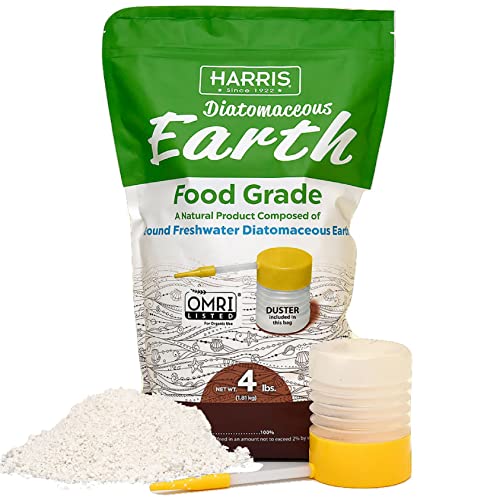
Diatomaceous earth (DE) has garnered significant attention as a formidable agent against a host of pests, particularly the insidious fungus gnat. These diminutive, winged insects thrive in damp environments and can wreak havoc on the delicate root systems of potted plants and gardens. In delving into the intricacies of diatomaceous earth and its specific application against fungus gnats, this article will unravel various facets including its composition, mechanisms of action, and practical utilization in pest management.
Understanding Diatomaceous Earth
Diatomaceous earth is a naturally occurring sedimentary rock composed of fossilized diatoms—microscopic algae. The silica-rich remains of these organisms are ground into a fine powder, yielding an abrasive material that possesses remarkable pest control properties. The particulate structure of DE not only enhances its efficacy but also creates a hostile environment for soft-bodied insects like fungus gnats. This inert substance is non-toxic to humans and pets, rendering it an appealing choice for conscientious gardeners.
Identifying Fungus Gnats
Fungus gnats, belonging to the Sciaridae family, are often mistaken for fruit flies. They are characterized by their slender bodies, long legs, and tiny wings. Adult gnats typically measure about 1/8 inch in length and are primarily gray or black. The larvae, which are more damaging, are translucent and can be found in the top layers of moist potting soil. Their life cycle can rapidly unfold under favorable conditions, leading to a full-blown infestation if not managed promptly.
The Mechanism of Action
The efficacy of diatomaceous earth against fungus gnats lies in its unique physical properties. When applied to the soil, DE acts as a desiccant. The fine particles penetrate the cuticle of the gnat’s exoskeleton, leading to dehydration. This process causes the insects to lose moisture and ultimately perish. The abrasiveness of the powder also creates a physical barrier that deters adult gnats from laying eggs in the soil. Consequently, the dual action of dehydration and habitat disruption makes DE a compelling solution for managing these pests.
Application Techniques
To harness the potency of diatomaceous earth effectively, proper application techniques are vital. The following strategies are recommended:
- Soil Treatment: Lightly dust the surface of the potting soil with the diatomaceous earth powder. Ensure an even distribution, as this will maximize its contact with larvae and adult gnats.
- Preventive Measures: Prior to planting, mix diatomaceous earth into the potting mix. This proactive strategy helps establish a protective barrier against potential infestations.
- Reapplication Schedule: Regularly monitor the soil conditions. DE needs to be reapplied after watering or rainfall, as moisture diminishes its effectiveness. Generally, reapplication every two to three weeks is advisable.
- Utilizing Traps: Combine DE application with yellow sticky traps. These traps capture adult gnats, reducing the reproductive cycle while DE tackles the larvae.
Health and Safety Considerations
While diatomaceous earth is generally safe for use in homes and gardens, certain precautions should still be observed. Inhalation of fine dust can irritate the respiratory system, particularly in individuals with pre-existing conditions. It is advisable to don a mask during application to avoid inhaling the powder. Additionally, as a precautionary measure, keep DE away from the eyes and skin. Always store diatomaceous earth in a cool, dry place, away from direct sunlight and moisture, to maintain its potency.
Alternative Methods of Control
In the realm of pest management, it is prudent to look beyond a singular solution like diatomaceous earth. Integrated Pest Management (IPM) principles suggest a multipronged approach:
- Watering Practices: Fungus gnats are drawn to damp environments. Allowing the top layer of soil to dry out can significantly disrupt their breeding cycle.
- Beneficial Nematodes: Introducing beneficial nematodes into the soil can provide a natural form of pest control by targeting gnat larvae.
- Organic Insecticides: Consider using insecticidal soaps or oils as supplementary measures, which can suffocate adult gnats when applied directly.
Conclusion
In conclusion, diatomaceous earth presents a robust solution for curtailing fungus gnat populations in both indoor and outdoor gardening. Its non-toxic nature, coupled with its effectiveness, makes it a compelling choice for eco-conscious gardeners. Employing proper application techniques, along with complementary pest management strategies, can result in a harmonious balance between fostering plant health and managing unwanted pests. As the gardening community continues to explore sustainable practices, embracing diatomaceous earth not only addresses immediate concerns but also contributes to long-term ecological stability.










Leave a Comment