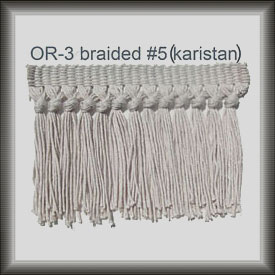
Whitening the fringe on an Oriental rug is a meticulous endeavor that caters to more than mere aesthetics; it is a ritual that reveres the intricate craftsmanship and history that these exquisite pieces embody. Oriental rugs, often regarded as beloved heirlooms, possess intricate designs and rich colors that make them captivating. However, the fringe, which is often overlooked, can detract from their overall beauty when it becomes discolored or soiled. This guide, therefore, delves into effective methods and considerations for restoring the luster of fringes on Oriental rugs, allowing these masterpieces to once again take center stage in any room.
Understanding why the fringe on Oriental rugs can become stained or dull is as vital as knowing how to clean it. The fibers that comprise the fringe are usually woven from cotton or wool, materials that naturally attract dirt, dust, and grime. Over time, this accumulation can lead to a yellowed or darkened appearance. Additionally, exposure to sunlight can fade the delicate fibers, diminishing their brilliance. Recognizing the historical and emotional value of these textiles makes the pursuit of their maintenance even more meaningful.
1. Gathering Necessary Materials
Before embarking on the cleaning journey, gather appropriate supplies for an effective and safe restoration process. You will require:
- Soft-bristled brush
- Vacuum cleaner with an upholstery attachment
- White cotton cloths
- Gentle detergent or specialized rug cleaner
- Baking soda or white vinegar
- Spray bottle for the cleaning solution
- Water
Each of these items plays a critical role. The soft-bristled brush helps dislodge dirt without damaging the fibers, while the vacuum removes loose particles. The cleaning agents chosen should be free from harsh chemicals to avoid potential harm to the fibers.
2. Preparing the Rug
Before commencing the cleaning process, it is imperative to prepare the rug. Carefully relocate the rug to an area where it can be easily worked on—preferably outside on a flat surface or a clean, well-ventilated room. Ensure that the backing of the rug is adequately supported to prevent any strain on the weave and fibers.
Gently shake the rug to dislodge any loose debris. Following this, utilize the vacuum cleaner to meticulously remove trapped dust and particles. Pay special attention to the fringes, as they tend to harbor more debris than the body of the rug.
3. Spot Cleaning the Fringe
Before applying any cleaning solution to the entire fringe, conduct a spot test. Choose an inconspicuous area of the fringe and apply a small amount of your chosen cleaning solution. Allow it to sit for a few minutes before rinsing with water. This will help assess whether the solution is safe for the fibers without causing fading or damage.
Once the spot test is confirmed safe, prepare a mild cleaning solution by mixing a few drops of detergent with lukewarm water in a spray bottle. Lightly mist the fringe with this solution—be cautious not to saturate it. This is essential because over-saturation can lead to mold or mildew.
Utilizing the soft-bristled brush, gently work through the fringe in the direction of the fibers to lift embedded dirt. Aim for a delicate touch; aggressive scrubbing can weaken or fray the fibers. Rinse the brush frequently in clean water to prevent redistributing grime.
4. Rinsing and Drying
With the cleaning process completed, the next step is to rinse away any remaining soap residue. Use a clean white cotton cloth dampened with plain water to blot the fringe gently. Avoid soaking it; instead, apply light pressure to absorb the water and soap mixture.
Following the rinsing, the drying process must be approached with equal care. Lay the rug flat in a well-ventilated area, avoiding direct sunlight to prevent fading. Air-drying is crucial, as using heat can distort the fibers, compromising the integrity of the rug.
5. Long-term Maintenance
After successfully whitening the fringe, maintaining its pristine appearance should be a top priority. Establish a routine cleaning schedule to avoid heavy build-up of dust and grime. Regularly vacuum the fringe with a gentle touch and address any stains or spills immediately to ensure they do not set.
Consider applying a fabric protector specifically designed for textile rugs to guard against future stains. This can create a barrier that repels dirt, making subsequent cleanings easier. Additionally, rotating the rug periodically can prevent uneven wear, prolonging the lifespan and beauty of both the rug and its fringes.
Conclusion
Whitening the fringe on an Oriental rug encapsulates not just the technicality of cleaning but an appreciation for the artistry involved in creating these intricate masterpieces. By following careful cleaning procedures and establishing a routine maintenance plan, one can uphold the glory of these rugs for generations. As you engage in this preservation work, reflect on the stories woven through the fibers, celebrating the culture and craftsmanship that each piece embodies. Through diligent care, the beauty of the fringe can soar anew, imbuing the entire rug with vibrancy once more.









Leave a Comment