In the vast and intricate world of food additives, one ingredient often meriting scrutiny is E621, commonly known as monosodium glutamate (MSG). Straddling the line between culinary delight and dietary concern, E621 invites a piquant probe into its origins, uses, and, most importantly, its religious implications regarding permissibility. This analysis offers a thoughtful exploration of whether E621 earns its status as Halal or falls from grace into the realm of Haram.
To begin, the essence of E621 lies in its ability to enhance flavors, akin to a maestro conducting a symphony of savory sensations. Derived from glutamic acid, an amino acid naturally present in many foods, this additive amplifies umami, that elusive fifth taste that dazzles our palates and entices our cravings. However, the journey of E621 stretches beyond mere taste enhancement, weaving through cultural tapestries and ethical considerations.
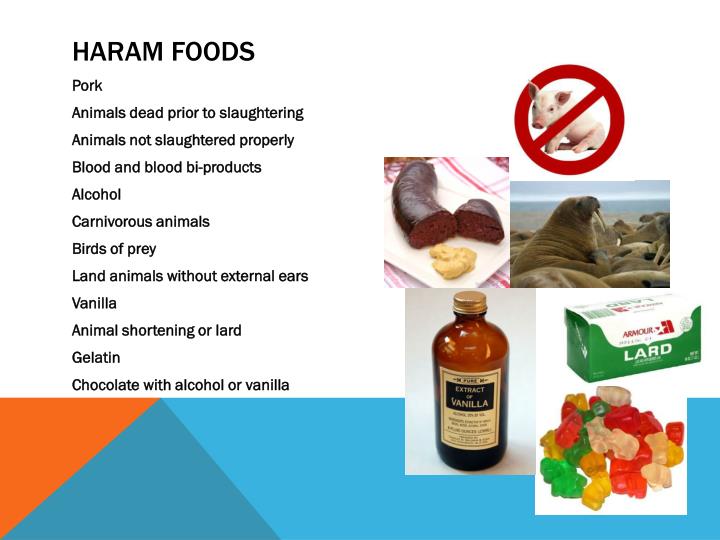
Understanding whether E621 is Halal or Haram requires delving into both its composition and the broader context of Halal dietary laws. In Islam, Halal refers to what is permissible, while Haram denotes that which is forbidden. This dichotomy forms the crux of dietary decisions, guiding the choices believers make in their everyday lives.
At the molecular level, E621 is composed of sodium and glutamate. Sodium, a ubiquitous mineral found in nature, carries no intrinsic religious connotations. Conversely, glutamate’s origins warrant exploration. Though it can be synthesized from various plant sources, the commercial production of MSG often involves fermentation processes utilizing starches or molasses. These processes, when derived from Halal sources, position E621 favorably on the continuum of acceptability. Consequently, the origins of the raw materials dictate whether E621 can rightfully bear the Halal mark.
Compounding this inquiry is the role of food manufacturers and their practices. In our modern age, transparency often feels like a mirage. Food products featuring E621 may not always disclose the source of their glutamate. Thus, vigilant consumers are encouraged to seek products labeled Halal-certified, ensuring that their consumption aligns with their spiritual principles. Brands that openly embrace Halal certification not only respect Islamic tenets but also cultivate trust within a diverse marketplace.
However, the dialogue surrounding E621 and its Halal status does not culminate only in its source. Ethical considerations surrounding additives further complicate the narrative. Some individuals express unease regarding artificial flavorings and additives, believing they compromise the integrity of the food experience. When faced with a choice between natural and synthetic, many will go for the former, echoing a desire for authenticity in food that nourishes both body and soul.
This evokes intriguing parallels to navigating the choices in life itself—one may choose between a direct path illuminated by integrity or a winding road shrouded in ambiguity. Food, in this metaphorical labyrinth, serves not merely as sustenance but as a reflection of our values. Hence, while E621 may technically align with Halal criteria when derived from permissible sources, the philosophical underpinnings of dietary choices illustrate a deeper quest for authenticity and ethical alignment.
Moreover, cultural perceptions of MSG vary significantly across borders. In certain regions, E621 is venerated as a culinary boon, a secret ingredient holding the key to delectable dishes, while in others it battles an infamous reputation as an antagonist leading to adverse health effects, albeit frequently exaggerated. The dichotomy reflects a broader misunderstanding prevalent in discussions around additives, often swaying the opinions of the masses and influencing purchasing decisions.
New research continually emerges, contributing to the evolving narrative surrounding food additives. It is crucial for consumers to remain informed, discerning fact from fallacy. Today, many studies indicate that moderate consumption of MSG does not pose significant risks for the general population. Nevertheless, sensitivity varies among individuals, fostering a spectrum of experience that can complicate dietary conversations.
As we approach the conclusion of this culinary investigation, it is vital to underscore the importance of empirical vigilance. The Halal status of E621 hinges intricately on its source and the surrounding ethical discourse on artificial additives. For those mindful of their dietary choices, the exploration of ingredients must transcend mere labels, extending into the realm of intentional consumption. The heart of this dialogue pulsates with the belief that food is sacred, serving as a conduit connecting us to our values, cultures, and spiritual practices.
In essence, E621 exists at a juxtaposition — it is both a facilitator of flavor and a point of contention within the tapestry of food ethics. The question of whether it is Halal or Haram is less about the compound itself and more about the choices individuals make in pursuit of a responsible culinary voyage. With discernment fueling our decisions, we can craft a palate that resonates with both our taste buds and our deepest convictions, channeling the allure of umami, while mindful of our ethical and spiritual boundaries.







Leave a Comment