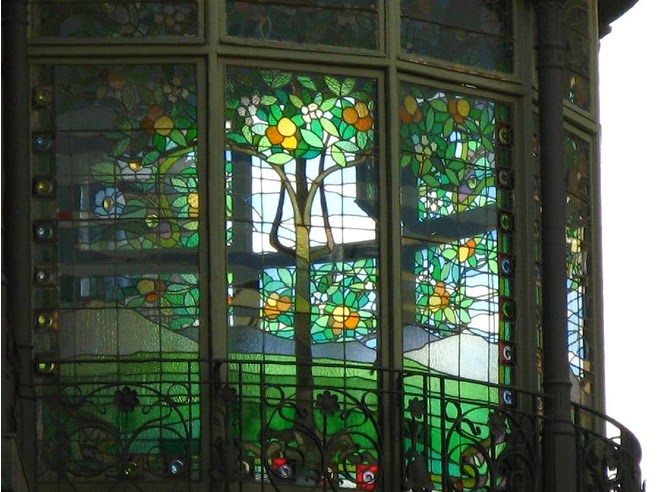
When one thinks of stained glass windows, a certain mystique envelops the mind. These magnificent creations blend artistry and spirituality, beckoning admiration and introspection. One such legendary masterpiece, the Rose Window of Notre-Dame Cathedral in Paris, serves as an epitome of this fusion. This essay unfurls the intricate layers and historical significance of this iconic stained glass window, offering insights that promise to shift your perspective and pique your curiosity.
History and Origins
The origins of the Rose Window intertwine closely with the history of Notre-Dame Cathedral itself, which stands as a beacon of Gothic architecture since its inception in the 12th century. The Rose Window, specifically the North Rose, was completed in the 13th century, around the time when the cathedral reached its zenith. Created by artisans whose names have faded into obscurity, this window was meticulously designed to embody theological narratives, celestial artistry, and ecclesiastical grandeur.
The Rose Window measures approximately 12 meters in diameter and consists of 84 individual panes of glass, each depicting various biblical scenes and figures. This palette of colors ranges from deep blues to vibrant reds, all seductively intertwined to convey both emotion and enlightenment. The design showcases the incredible craftsmanship of medieval artists, who combined their knowledge of theology with a profound commitment to artistic expression.
Symbolism Embodied in Glass
As one gazes upon the Rose Window, a palpable sense of narrative unfolds. The circular form of the window symbolizes eternity and the divine, an endless cycle reflecting the nature of God and spirituality. Radiating outward from the center, the design evokes the image of a flower in full bloom, encapsulating the intersection of nature and divinity. At its heart sits a central figure of the Virgin Mary, often flanked by the angels and saints who serve as intercessors to the divine.
This visual rhetoric casts a spell of contemplation upon the viewer. Each pane tells a story, deeply imbued with meaning; the surrounding floral motifs bolster the symbolism of life and rebirth. Color acts as a language of its own. The deep blues represent the heavens and the eternal nature of the soul, while vivid reds often signify sacrifice and love. It urges observers to delve deeper into their understanding not only of the window’s artistry but also of their own beliefs.
The Artistic Technique
The creation of the Rose Window exemplifies the sophisticated techniques of medieval stained glass craftsmanship. Craftspersons employed a process known as “cames” — a method of using lead strips to hold together individual pieces of colored glass. This technique was labor-intensive, often requiring months, if not years, of dedication to complete a single window. The artisans’ expertise in creating elaborate motifs and scenes with varying levels of opaqueness adds depth to the piece, captivating audiences with its multifaceted beauty.
Moreover, the glass itself was not merely colored but engineered to interact with light. The way sunlight filters through the panes transforms the interior of Notre-Dame into a kaleidoscope of color, unveiling different hues at various times of day. This dynamic relationship between the window and the shifting angles of light invites viewers to witness an ever-evolving symphony of color and emotion.
A Cultural Landmark
The Rose Window has transcended its original purpose as a mere element of architectural embellishment, becoming a cultural symbol of Paris and, by extension, French heritage. It has withstood the ravages of time, surviving through wars, revolutions, and natural disasters. The window whispers tales of resilience, making it a metaphorical lodestar for visitors seeking solace and inspiration.
In the wake of the tragic fire that ravaged Notre-Dame in April 2019, the Rose Window emerged as a poignant emblem of hope and restoration. Its survival through history’s upheavals is seen as a sign that beauty and faith can endure; it reinforces the idea that amidst destruction, there is room for rebirth and renewal. Consequently, the craftsmanship of the window is viewed not only as an artistic achievement but also as a testimony to the human spirit.
Conclusion: A Reflection on the Viewer’s Experience
As we explore the contours of the Rose Window, it becomes clear that this remarkable stained glass creation embodies much more than aesthetic allure. It serves as a medium through which visitors can engage in contemplation and self-reflection. The interplay of light, color, and symbolism coaxes the beholder to examine their own beliefs and the wider narratives of faith and humanity.
Thus, every visit to the Rose Window is an invitation to step back from the mundane, to reflect on the ethereal beauty that has inspired countless generations. It urges one to contemplate the sacredness of craft, the weight of history, and the eternal pursuit of understanding our place in the cosmos. The Rose Window of Notre-Dame Cathedral remains not just a work of art, but a resonate reminder of life’s intricate tapestry and the myriad ways in which we seek enlightenment and connection throughout our journeys.








Leave a Comment