Wisdom teeth, scientifically known as the third molars, have long been a topic of intrigue and speculation. Their emergence typically occurs between the ages of 17 and 25, a period often characterized by a significant transition into adulthood. Yet, for many, this transition is marked not by newfound independence, but rather by the potential necessity of surgical intervention. The age-old question echoes in dental offices: “Do you have to get your wisdom teeth pulled?” Various factors contribute to this decision, enveloping a deeper narrative regarding oral health, evolutionary biology, and even societal expectations. This article delves into the multifaceted aspects of wisdom teeth removal, providing a comprehensive overview of when, why, and how it becomes imperative to address these enigmatic molars.
Understanding Wisdom Teeth: An Evolutionary Perspective
To fully appreciate the wisdom teeth dilemma, it is crucial to consider their evolutionary purpose. Our ancestors boasted larger jaws, accommodating more teeth that enabled them to efficiently chew coarse, fibrous diets rich in raw plants and meats. Over centuries, dietary changes and the advent of cooking diminished the necessity for these additional molars. Consequently, as human jaws became smaller, wisdom teeth began to encounter more issues, often becoming impacted—a condition where teeth fail to emerge properly due to inadequate space.
The necessity of extraction stems from this evolutionary mismatch. In modern human mouths, wisdom teeth frequently grapple for space, leading to complications. But the plight of these molars transcends mere dental inconvenience. It invites philosophical speculation about our place in the natural world and how human evolution shapes our current bodily experiences.
Symptoms Indicating Removal
The journey toward deciding whether to extract wisdom teeth often begins with an array of symptoms. Individuals may experience pain or discomfort in the back of their mouths, characterized by a constant throbbing or sharp sensations during eating. Swelling or inflammation around the gum area can also signal a problematic emergence of these molars. Additionally, some may notice a sense of pressure or overcrowding, leading to difficulties in maintaining proper oral hygiene.
Beyond physical symptoms, underlying dental issues like cavities, gum disease, or the development of cysts can arise due to improperly erupted wisdom teeth. Regular dental check-ups are essential. These allow for radiographs that can reveal potential dilemmas before they escalate. Lack of suitable treatment presents not only repercussions for one’s oral health but potentially broader implications for overall well-being.
Assessing the Need for Surgery
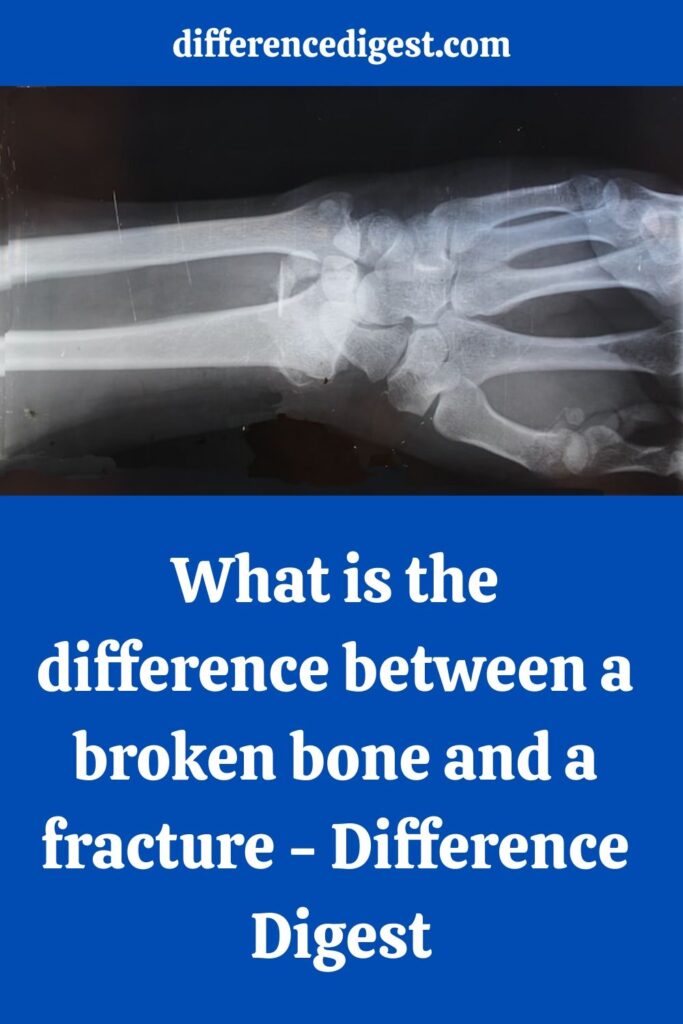
The determination of whether wisdom teeth should be extracted is seldom straightforward. Dentists often weigh multiple factors, including the positioning of the teeth, the alignment with adjacent molars, and potential pain levels. Thorough examinations may incorporate imaging techniques such as X-rays, which provide a clear view of the tooth’s orientation and its relationship to the jaw structure.
In some cases, the decision to preserve wisdom teeth is viable. If the molars erupt correctly and maintain functionality without causing harm, they may continue to coexist harmoniously with the other teeth. However, this outcome is infrequent, and vigilance is key. Oral health practitioners recommend regular monitoring to promptly address any changes that may necessitate a more proactive approach.
The Procedure: What to Expect
Should extraction become warranted, preparation becomes essential. Most patients can expect a consultation where numerous factors are discussed: anesthesia options, post-operative care, and potential complications. The extraction procedure itself can range from relatively straightforward removals to more complex surgeries, especially for impacted teeth.
Many procedures are performed under local anesthesia or sedation, ensuring patient comfort. Recovery typically involves a gradual healing process, during which swelling and discomfort can be managed with prescribed medications. Adherence to post-operative care guidelines is paramount in mitigating risks of infection and ensuring a smooth healing experience.
Alternatives to Extraction
For individuals wary of surgical interventions, exploring alternatives can present viable avenues for maintaining oral health. Orthodontic assessments may reveal options for aligning other teeth to create more space, thus alleviating pressure from the wisdom teeth. In some cases, extraction may be deferred while monitoring the molars to ensure their health does not deteriorate. However, this decision calls for regular follow-up and collaboration with dental professionals.
The Mythos of Wisdom Teeth
Culturally, wisdom teeth carry symbolic weight, portraying a rite of passage that many undergo as they transition into adulthood. This association contributes to the anxieties surrounding the procedure. Young adults often experience a convergence of varying emotions—fear of the unknown, anticipation of pain, and excitement over the prospect of gaining independence through surgical rites. Such reflections of societal norms invite contemplation regarding the interplay between cultural narratives and individual experiences.
Conclusion: A Personal Odyssey
Ultimately, the decision surrounding wisdom teeth extraction is not merely a clinical determination but rather a personal journey intertwined with myriad factors. Each individual’s dental landscape is unique, carved by biology, lifestyle, and the cadence of life experiences. Addressing the question of whether one must endure the removal of their wisdom teeth necessitates reflection beyond the dental chair, inviting a deeper analysis of our biological evolution, societal expectations, and the pathways to maintaining oral health. Therefore, the inquiry—do I have to get my wisdom teeth pulled?—does not simply implore medical guidance but beckons one to navigate a broader discourse on what it means to adapt, evolve, and thrive in a complex world.








Leave a Comment