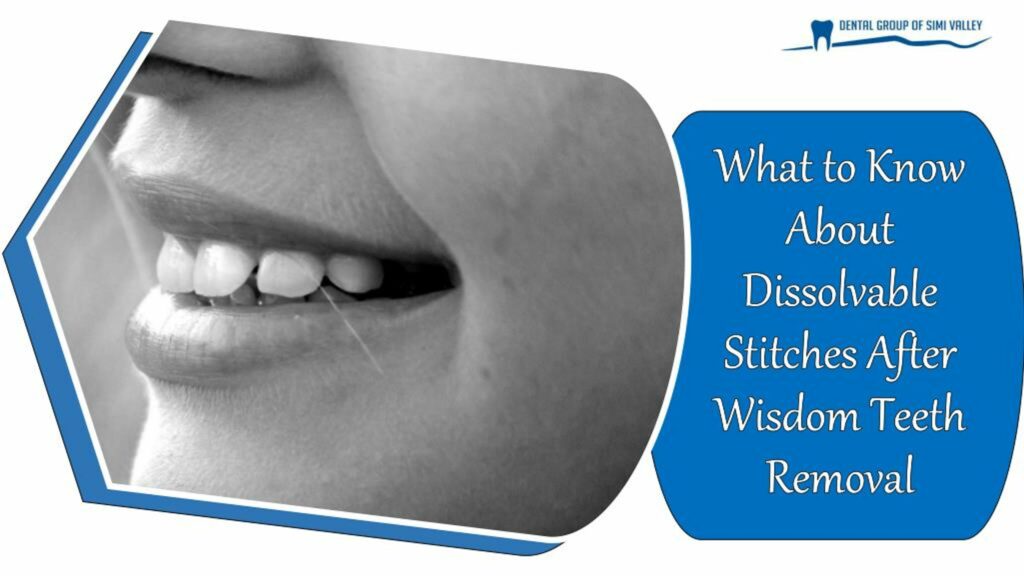
Have you recently undergone a dental procedure and found yourself suddenly curious about the stitches in your mouth? Have you ever pondered how they disappear over time? This enigma surrounding dissolved stitches presents not only questions but also challenges in the realm of oral health and recovery. Let’s explore the world of dissolved stitches, covering their composition, significance, care instructions, and the aftercare essential for a smooth healing process.
Understanding Dissolved Stitches
Dissolved stitches, also known as absorbable sutures, play a pivotal role in many oral surgical procedures, such as tooth extractions, gum surgeries, or repairing lesions. These stitches are crafted from materials that can be broken down by the body over time, ensuring that no removal is necessary. But what exactly makes these stitches a favored choice among dental professionals?
First and foremost, the choice of absorbable sutures facilitates a less invasive recovery period. They alleviate the need for a follow-up appointment to remove stitches, which can be both inconvenient and uncomfortable. This phenomenon often leads patients to wonder about the materials used to create these stitches. Common materials include polyglycolic acid, polylactic acid, or even catgut—a natural suture derived from sheep intestines. These components are designed to dissolve gradually, governed by the body’s own biochemical processes.
The Healing Process Begins
Once the stitches have been placed, they initiate a fascinating journey through the healing process. As your body mends the surgical site, the stitches facilitate tissue approximation and wound closure. Interestingly, the timing of dissolution can vary based on several factors, such as the thickness of the sutures, the site of the surgery, and individual healing rates. Typically, these stitches begin to dissolve within a week to ten days, but complete absorption may take up to several weeks.
One might wonder, what complications can arise during this dissolution period? Certain challenges may present themselves. For instance, if the stitches become embedded in the gum tissue or provoke an inflammatory response, they could lead to discomfort or infection. Hence, understanding the proper care required during this phase is essential.
Essential Aftercare for Dissolved Stitches
After undergoing a dental procedure with dissolved stitches, it is imperative to adhere to a strict aftercare protocol. Ignoring these guidelines may inadvertently exacerbate complications, countering the benefits of having absorbable stitches. Here are some crucial care tips:
- Maintain Oral Hygiene: Gently brush your teeth, avoiding the surgical area, while incorporating warm saltwater rinses in your routine. This helps to keep the area clean and reduces the risk of infection.
- Avoid Smoking: The act of smoking can impede blood flow and significantly slow down the healing process, increasing the likelihood of complications.
- Monitor Dietary Choices: During recovery, select soft, nourishing foods while avoiding sharp, hard, or abrasive items that may disrupt the stitches.
- Limit Physical Activity: Strenuous activities may lead to increased blood pressure and swelling in the area, potentially jeopardizing the integrity of the stitches.
This aftercare not only promotes optimal healing but also fortifies the body’s intrinsic mechanisms at work, thereby reducing the guesswork involved while waiting for those stitches to disappear. Still, a question may linger: what symptoms should one prioritize as red flags during recovery?
Recognizing Complications
While most individuals will find their healing process uneventful, it is crucial to remain vigilant for signs of complications. Signs that may signify a need for medical consultation include:
- Persistent Pain: Some discomfort is expected after surgery; however, escalating or unmanageable pain may indicate an infection or other issues.
- Excessive Swelling: While some swelling is a normal response, significant or prolonged swelling may warrant attention.
- Foul Odor or Taste: An unpleasant smell or taste in your mouth can be a telltale sign of infection.
- Difficulty Breathing or Swallowing: Serious complications may arise if swelling interferes with your airway.
In such cases, an early intervention from your dental professional or healthcare provider can significantly reduce the risk of severe outcomes. Always prioritize your health and well-being during your post-operative journey.
The Final Stitches of Wisdom
In conclusion, dissolved stitches serve a vital function in the oral recovery process. By understanding their purpose, maintaining proper aftercare, and monitoring for potential complications, patients can navigate their healing journey with confidence. As their journey of disappearance unfolds, these remarkable sutures facilitate not just closure in a physical sense, but also contribute to a profound expression of healing—both for the body and the mind. So, the next time you find yourself pondering the mysteries of dental recovery, you can do so with newfound knowledge and preparedness!









Leave a Comment