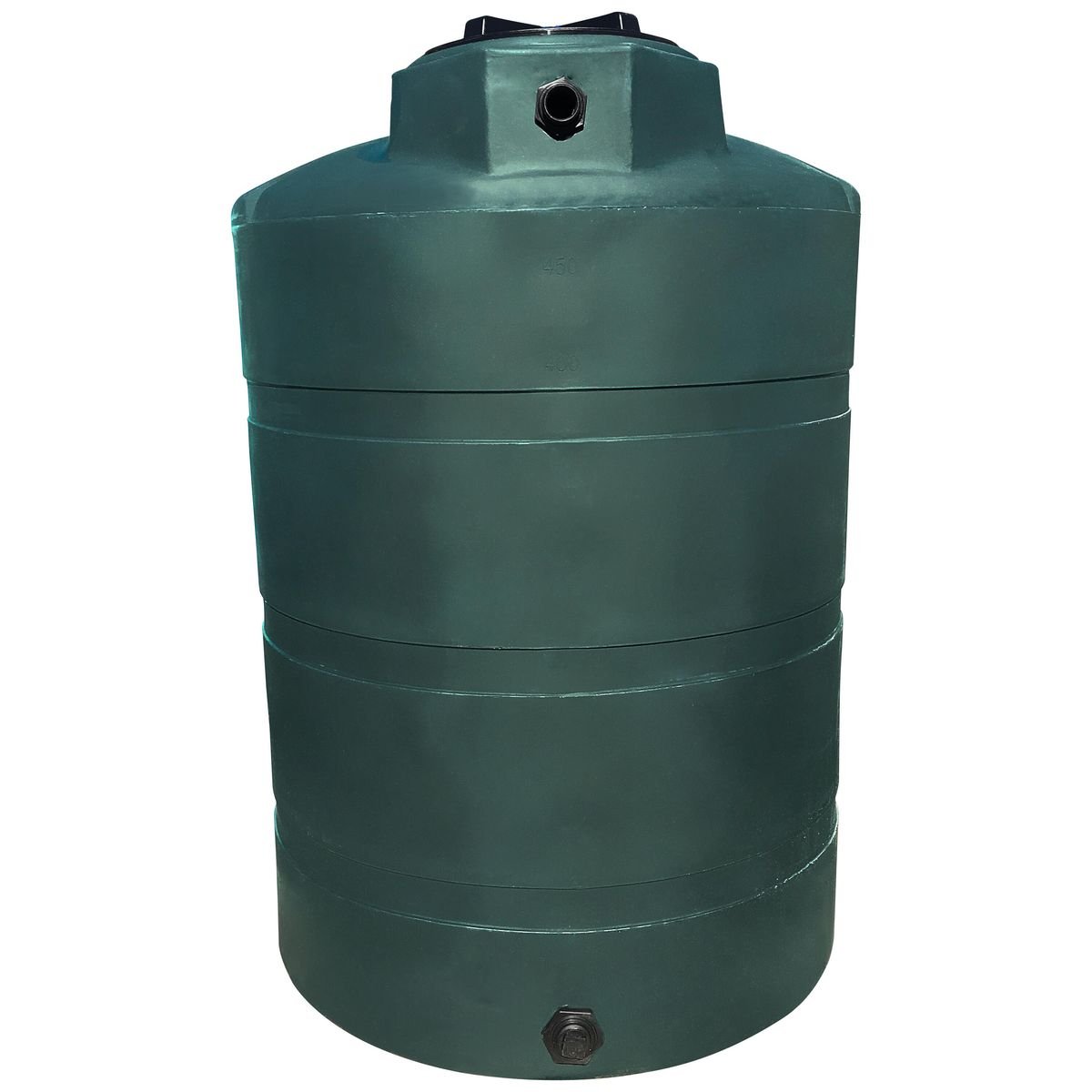
Understanding the 500 Gallon Water Storage Tank: A Comprehensive Exploration
Water is an essential resource, and its availability is vital for both daily living and disaster preparedness. One common but fascinating solution to ensure access to water is the 500-gallon water storage tank. While this might appear to be just another piece of equipment, delving deeper reveals an array of factors that contribute to its significance. This article explores the numerous aspects of 500-gallon water storage tanks, shedding light on their utility, design variations, installation processes, maintenance necessities, and impacts on various applications.
The Significance of Water Storage
The ability to store water is crucial, especially in regions experiencing sporadic supply or where municipal water systems are unreliable. A 500-gallon tank provides an ample reservoir, essential for households, agricultural operations, and even emergency services. This capstone capacity strikes a balance, offering substantial supplies without overwhelming the user in terms of space or manageability. This observation reveals a profound understanding of the importance of self-sufficiency and sustainability in water usage.
Design and Material Considerations
500-gallon water storage tanks come in a variety of designs, each tailored to specific needs. Most commonly, these tanks are constructed from materials such as polyethylene, fiberglass, or stainless steel. Each material presents its own set of advantages. For instance, polyethylene tanks are lightweight, resistant to corrosion, and ideal for residential use. Conversely, stainless steel options are durable and provide a hygienic solution for potable water, making them suitable for commercial applications.
Additionally, the shape of the tank—horizontal or vertical—can influence its placement and functionality. Vertical tanks are often preferred in confined spaces, while horizontal tanks can be utilized in broader areas, allowing for versatile deployment.
Installation Guidelines
Installing a 500-gallon water storage tank involves several considerations to ensure efficiency and safety. The location is paramount; a flat, stable ground free from debris is essential—this minimizes the risk of structural damage. Furthermore, proximity to water sources can be beneficial for refill purposes.
Understanding the necessary plumbing and fittings is crucial, as improper installation can lead to disruptive leaks or water quality issues. Engaging with professionals or thorough self-education can mitigate these risks, ensuring that the tank is both operational and compliant with local regulations.
Maintenance Protocols
Just as installation is vital, so too is the maintenance of a 500-gallon tank to prolong its service life. Regular inspections are necessary to check for any signs of wear, leaks, or contamination. Cleaning the interior surfaces periodically, depending on usage, is also advisable. Employing a food-grade sanitization method can eliminate harmful bacteria or algae growth—contributors to poor water quality.
Moreover, inspecting the valve systems and outlet connections ensures seamless operation and guards against potential malfunctions. To enhance longevity, a protective cover can shield the tank from UV rays and debris, minimizing environmental impacts.
Applications Across Various Sectors
The versatility of a 500-gallon water storage tank allows it to be utilized across several sectors. In residential settings, these tanks provide a reliable backup during water supply interruptions. For farming operations, they can support irrigation needs or provide water for livestock, thereby improving agricultural productivity.
In contrast, commercial enterprises benefit from these tanks as well, particularly in sectors requiring consistent water availability, such as food processing or manufacturing. Emergency services and disaster preparedness agencies often rely on these tanks, especially in areas prone to drought or severe weather, as reliable access to water is a matter of life and death.
Cost-Efficiency and Environmental Impact
Another compelling aspect of 500-gallon water storage tanks is their cost-efficiency. Compared to continuous water supply systems, a one-time investment in a storage tank can lead to long-term savings. Properly managed tanks minimize water waste and promote conservation—an increasingly important consideration amid global water scarcity issues.
Furthermore, when rainwater harvesting is employed alongside these tanks, users can capitalize on natural precipitation, further bolstering their sustainable practices. This holistic approach not only prioritizes resource management but also embodies a commitment to environmental stewardship.
Integration with Modern Technologies
Innovation in water management technology has paved the way for smarter integration with 500-gallon storage systems. For instance, smart sensors can monitor water levels, alerting users when refilling is required, or even integrating automated dispensing mechanisms for optimized usage. Moreover, data analytics can provide insights into consumption patterns, leading to enhanced resource allocation.
The Transformative Power of Water Storage
The 500-gallon water storage tank is far more than a mere vessel; it is a symbol of preparedness, sustainability, and efficiency. Its adaptability across various sectors attests to the human endeavor of adapting to our environment’s challenges. As communities increasingly recognize the importance of water security, the humble water storage tank emerges at the forefront of sustainable practices—holding both literal and metaphorical volumes of potential for future generations.
In summary, the 500-gallon water storage tank facilitates a vital connection between resource availability and responsible management. Understanding its multifaceted applications is pivotal to fostering a culture that prioritizes sustainability, preparedness, and innovative solutions in the face of an uncertain future.










Leave a Comment