In the verdant tapestry of nature, grass serves as the foundation for thriving ecosystems and the solace of serene landscapes. Quick growing grass seed is akin to the swift surge of life, an eloquent symphony that transforms barren plots into lush carpets of green. Whether you’re a homeowner yearning for a vibrant lawn or a gardener seeking to rejuvenate worn-out patches, selecting the right quick-growing grass seed can dramatically alter the aesthetic and functional qualities of your outdoor space.
When embarking on the quest for quick-growing grass seeds, it’s essential to understand the diverse types available, their respective benefits, and the optimal conditions for their growth. This exploration will delve into the characteristics of different grass varieties, their preferred environments, and the maintenance they require. This knowledge will empower you to cultivate a verdant expanse that not only beautifies your surroundings but also serves as a playground for recreation.
1. Understanding the Types of Quick Growing Grass Seed
Quick-growing grass seeds are a diverse family, with each variety tailored to specific environments and climatic conditions. The most popular include:
- Perennial Ryegrass: Known for its rapid germination, usually within 5-10 days, perennial ryegrass establishes itself swiftly, providing a lush green cover. Its fine texture creates a soft, inviting lawn, ideal for cooler climates.
- Bermudagrass: This sun-loving wonder thrives in warm regions and is famed for its resilience under traffic. With a fast germination period of about 7-12 days, Bermudagrass creates a robust, hardy lawn perfect for recreational areas.
- Tall Fescue: Distinguished by its deep root system, tall fescue performs admirably in transitional zones. It showcases a broad leaf blade and tolerates drought conditions remarkably well, making it an excellent choice for regions with erratic weather.
- Kentucky Bluegrass: While slower to germinate initially, it spreads quickly through underground rhizomes, providing an extravagant and lush lawn. It flourishes in cooler climates and develops a rich blue-green hue.
Choosing the right seed depends on your local climate, desired lawn usage, and aesthetic preferences. Understanding the idiosyncrasies of each type enriches your selection process, ensuring a gambit of choices like a painter selecting hues for a captivating landscape.
2. The Art of Soil Preparation
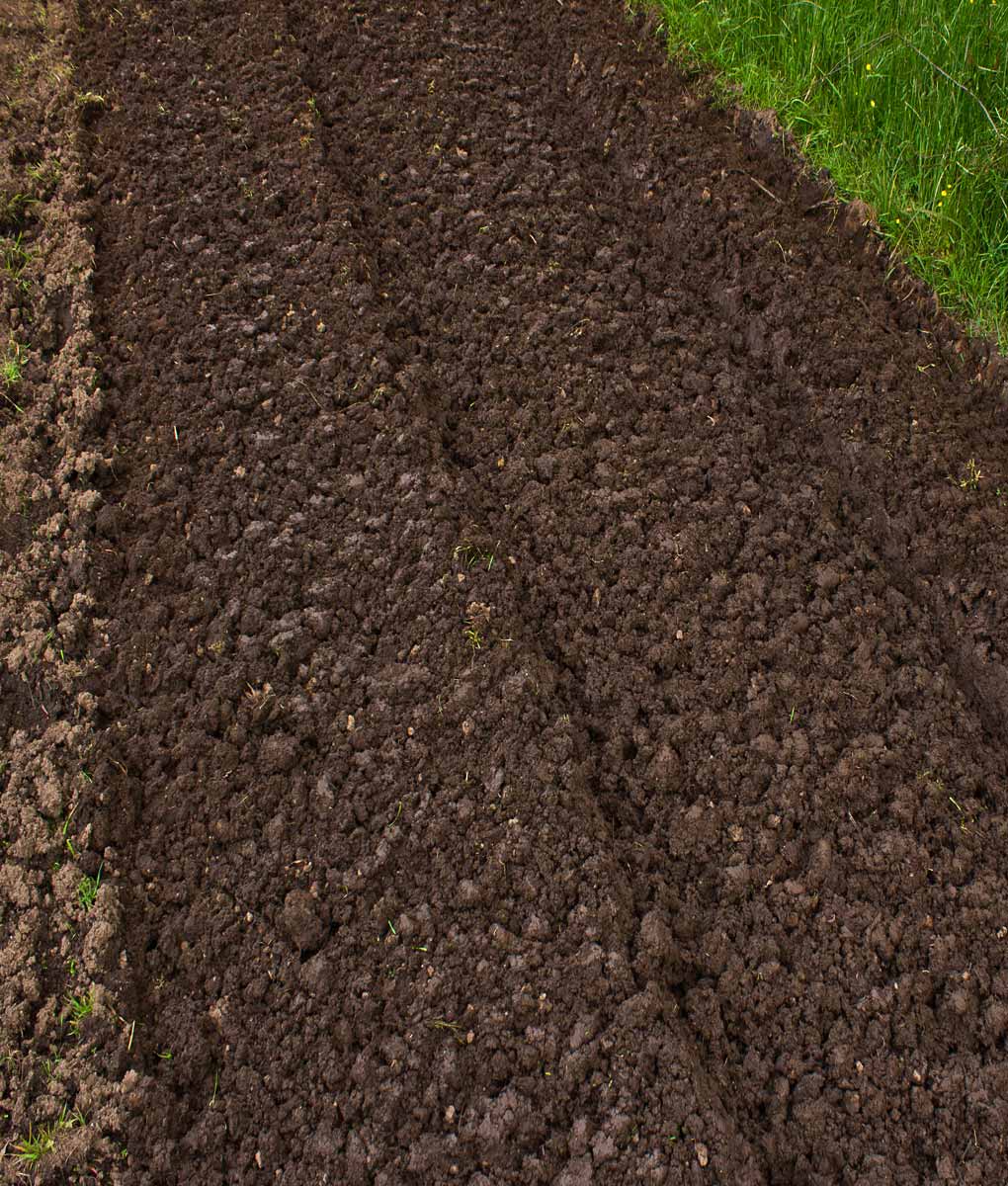
Before seeding, meticulous preparation of the soil is paramount for nurturing your budding green wonderland. Start by testing your soil’s pH to identify its acidity or alkalinity, a hidden component vital for optimum growth. Grass prefers neutral to slightly acidic soils (pH of 6.0 to 7.0). Amend the soil as necessary, invigorating it with compost or organic matter to enhance nutrient availability.
Clearing the area of weeds and debris paves the way for your chosen seeds. Aerating the soil adds necessary oxygen and drainage; think of it as tilling the fabric of life, preparing it for the infusion of new energy. Leveling the ground ensures even distribution of water, allowing your quick-growing grass seeds to establish deep roots.
3. Sowing Seeds: Timing and Technique
The artistry of sowing seeds is both a science and an intuition, akin to a gardener’s ritual during solstice. Timing is crucial; the ideal window for sowing quick-growing grass seeds typically aligns with early spring or early fall when temperatures are conducive to germination, and water availability is optimal. For warm-season grasses, late spring is ideal.
The technique of sowing varies based on the scale of your project. For small patches, hand broadcasting may suffice, but larger areas benefit from a seed spreader for uniform distribution. Aim for a light covering of soil over the seeds, akin to a whisper of earth enveloping a secret. Gentle raking helps facilitate seed-to-soil contact, maximizing germination potential.
4. Watering & Maintenance: Nurturing Your Green Canvas
As with any delicate creation, nurturing your grass is essential. Watering requires an artful balance; deep, infrequent watering encourages roots to reach down into the earth. Initially, a tender shower daily for about two weeks fosters germination. As the blades emerge, you can taper the frequency to two to three times a week, depending on rainfall and humidity levels.
Fertilizing your grass seed after establishment enhances its growth vigor. A balanced fertilizer, rich in nitrogen, ensures that your lawn bursts with vitality when appropriately applied. Mowing should commence once the grass reaches about one-third taller than your desired height, maintaining it like a sculptor refining their masterpiece.
5. Troubleshooting Common Issues
Even the most experienced gardeners may encounter challenges. Pests and diseases can threaten your burgeoning grass, much like shadows creeping across a sunny meadow. Identifying the signs—yellowing blades, irregular patches—is crucial. Regular inspections help avert larger catastrophes. Organic pesticides or natural remedies can manage invasions without damaging the ecosystem.
Inadequate sunlight or water can stunt growth, portraying a struggle akin to a plant reaching for the sun. Adapting your care regimen—whether by relocating shaded objects, enriching soil further, or adjusting watering schedules—will help mitigate such shortcomings.
Conclusion: The Promise of a Flourishing Landscape
Embracing quick-growing grass seed offers more than just an aesthetically pleasing lawn; it embodies the promise of life and vitality within your landscape. From understanding the varieties available to nurturing them through their early stages, each step contributes to the overarching tableau of nature—a vibrant celebration of growth and resilience. By investing time and care into quick-growing grass seed, you are not merely cultivating a lawn but co-creating a sanctuary that brings joy, relaxation, and a connection to the earth. Let your green expeditions bloom as lush realms that welcome all who tread upon them, transforming the mundane yard into a veritable oasis.











Leave a Comment