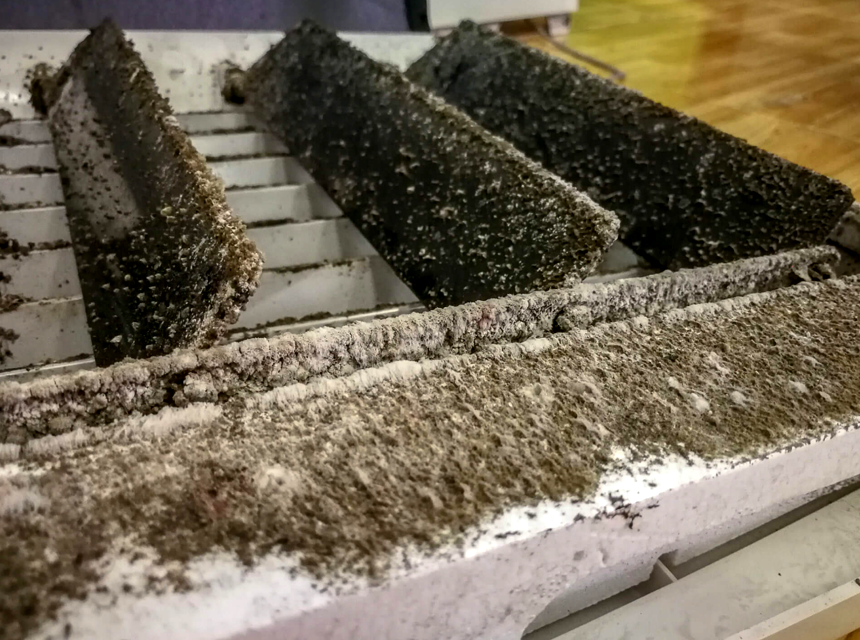
Black mold, the insidious intruder lurking within the nooks and crannies of neglected air conditioning systems, poses a greater risk than mere discomfort. While many are aware of the hazards it presents in humid and damp environments, few truly grasp the profound implications it can have on health, safety, and infrastructure. In this exploration, we delve into the intriguing realm of black mold in air conditioners—unearthing its origins, symptoms of contamination, effects on health, and, crucially, methods for eradication and prevention.
Unveiling the Nature of Black Mold
Black mold, scientifically known as Stachybotrys chartarum, thrives in moist environments, particularly where cellulose—the organic material found in paper products, wood, and drywall—exist in abundance. Within the confines of air conditioning units, dampness can accumulate due to condensation, often exacerbated by improper maintenance or malfunctioning components. Conditions such as these create a veritable paradise for mold spores, allowing them to flourish and proliferate.
Recognizing the Symptoms of Contamination
How does one identify the presence of black mold in their air conditioning system? The signs may not always be overt; however, there are telltale indications that cannot be ignored:
- Unpleasant Odors: A musty, damp smell permeating your living space is a common precursor to mold growth. If your air conditioning unit emits such an odor, it’s time to investigate further.
- Visible Mold Growth: Black spots on surfaces near the air conditioning unit or in ductwork serve as a conspicuous marker of mold infestation. Pay particular attention to the filter and any damp areas.
- Increased Allergy Symptoms: If family members begin to experience unexplained respiratory issues, increased sneezing, or skin irritation, the air conditioning system may be distributing mold spores throughout the environment.
- Reduced Air Quality: Your air conditioning unit should promote comfort and circulation; any decline in air quality could suggest a lurking menace.
The Health Implications of Black Mold Exposure
The ramifications of black mold exposure are alarming, as it can trigger a myriad of health issues. The mycotoxins released by the mold can lead to symptoms ranging from mild to severe. These may include:
- Respiratory Problems: Individuals with asthma or other pre-existing conditions may find their ailments exacerbated by inhaling mold spores. Even healthy individuals can develop irritations that may lead to difficulty breathing.
- Neurological Effects: Recent studies have begun to illustrate a correlation between mold exposure and neurological impairments, including memory loss and concentration issues.
- Fatigue and Headaches: Chronic fatigue alongside persistent headaches can often be traced back to an unseen mold infestation. This can significantly affect the quality of life.
- Weakened Immune System: Continued exposure can compromise the immune response, rendering individuals vulnerable to other illnesses.
Eradication Techniques: A Strategic Approach
Combatting black mold requires a multifaceted approach, with both immediate and long-term strategies. These measures can effectively rid your air conditioning system of the malignant fungus and improve indoor air quality:
- Inspection: Begin with a thorough inspection of the entire air conditioning system. A professional may be required to access restricted areas, such as ducts and coils.
- Cleaning: Detach filters and clean them separately using a mixture of water and mild detergent. For more persistent growth, consider a solution of vinegar or a professional-grade mold remover.
- Moisture Control: Control humidity levels in your home using dehumidifiers. Keeping humidity below 50% hampers mold growth.
- Address Water Leaks: Check for any water leaks within your unit or around your home. Repairing such leaks promptly is vital in preventing future infestations.
- UV Light Installation: Some choose to install UV lights within the air conditioning unit. These lights can disrupt mold growth, ensuring that your air supply remains clean.
Prevention Strategies: Keeping Mold at Bay
Once you’ve dealt with an infestation, the next step is to ensure it does not recur. Preventive measures can greatly diminish the risk of black mold lurking once again:
- Routine Maintenance: Schedule regular maintenance checks for your air conditioning unit. Clean and replace filters as necessary to prevent dust accumulation.
- Improved Insulation: Insulate ducts and surrounding areas effectively to prevent condensation, creating inhospitable conditions for mold.
- Ventilation: Ensure proper ventilation in areas prone to humidity, such as bathrooms and kitchens, to facilitate air circulation and moisture dispersion.
- Educate Inhabitants: Foster an understanding among household members regarding the importance of mold awareness and the importance of notifying for any unusual odor or sight.
Conclusion: A New Perspective on Black Mold
Understanding the complexities surrounding black mold in air conditioning units shifts our perspective from mere negligence to proactive vigilance. By recognizing its early signs, comprehending the potential health risks, and diligently applying cleaning and prevention techniques, one can reclaim not just their air conditioning system but ensure a healthier living space altogether. The journey does not end here; rather, it sparks an ongoing commitment to maintaining clean air and safeguarding the well-being of every inhabitant. With the right knowledge and actions in place, black mold can be an adversary that is easily vanquished.







Leave a Comment