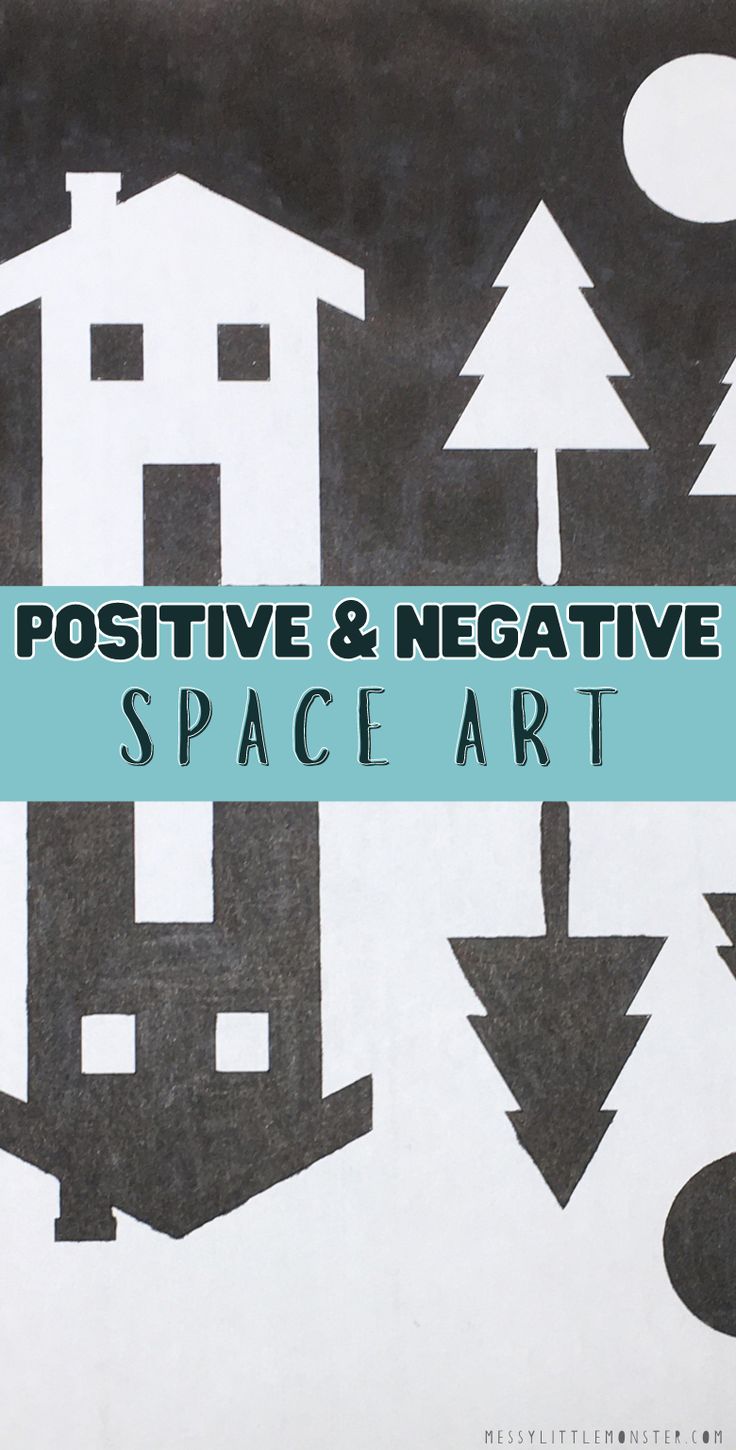
Art, much like breathing, consists of an interplay between what can be perceived and what remains unexpressed. In the realm of visual creativity, the concept of positive and negative space stands as a testament to this paradox. At first glance, positive space encompasses objects, figures, or subjects, while negative space evokes the expanse of the background surrounding them. Together, they form a dance of duality that challenges the observer to look beyond the mere shapes. This symbiosis grants artwork a profound depth, inviting enthusiastic participation rather than passive observation. Explore the multifaceted nature of positive negative space art and discover its unique allure.
Understanding the Fundamentals
The foundation of positive and negative space lies in perception. Positive space represents forms that are immediately recognizable; an apple, a bird, or a solitary figure standing against the canvas. In stark contrast, negative space is often overlooked—a mere absence, yet an integral part of the composition that defines the contours of positive space. Both elements are intertwined, creating a cohesive narrative that demands contemplation. Artists play with this duality, employing it as a tool to evoke emotion, manipulate focus, and enhance the overall aesthetic appeal.
The Symphony of Composition
Envision a musical symphony; each note builds upon the next, crafting a harmonious melody. Similarly, positive and negative space in art collaborates to establish a visual rhythm. The juxtaposition of solid forms against ethereal backgrounds creates visual tension, drawing the eye and eliciting curiosity. A masterful use of this interplay can transform a mundane scene into an evocative panorama. By directing the viewer’s gaze, artists sculpt narratives; the empty areas begin to communicate meaning, highlighting the emotional gravity of the positive forms. It’s as if the void speaks, whispering secrets not confined to the visible.
Empowering the Artistry
Artists often wield positive and negative space as a brushstroke of empowerment. Various movements have embraced this principle, with each artist presenting it through their unique lens. For instance, the minimalist ethos celebrates the beauty of simplicity, relying heavily on negative space to evoke calmness and contemplation. The delicate balance in such artworks encourages viewers to delve deeper, inviting self-reflection through the unoccupied areas. Much like the silence between musical phrases, these pauses hold significance.
Moreover, in the age of abstraction, positive and negative space takes on new dimensions, liberating artists from conventional constraints. Shapes morph into expressions rather than representations. Here, forms become symbols; the absence of one may signify the presence of another, giving rise to an avant-garde interpretation. This exploration fosters innovation and limitless creativity, prompting artists to reinvent spatial dynamics.
The Viewer’s Journey
The interaction between positive and negative space invites viewers on an intellectual journey. As they engage with the artwork, they are challenged to navigate the duality presented before them. Each observer brings their own narrative; the experience is akin to an intricate tapestry woven with personal threads of perception and emotion. The empty spaces invite them to pause, reflect, and ultimately coalesce their interpretation with the artist’s intent.
As they become more attuned to the surrounding voids and the interrelation between what is seen and what is felt, viewers may find moments of clarity amid confusion. This phenomenon transforms passive viewing into an interactive dialogue, sparking questions that linger long after they’ve stepped away. What stories lie between the shapes? What emotions resonate within the silence? The artwork becomes a mirror, reflecting the observer’s innermost thoughts.
Symbolism Through Space
Positive and negative space finds itself adorned with rich symbolism. Consider a stark image where a radiant bloom surfaces against a shadowed background. The flower embodies hope and vitality, while the dark expanse of negative space encapsulates despair or uncertainty. This contrast can induce powerful emotional responses within viewers, leading them to contemplate the relationship between light and shadow in their own lives. Here, art transcends mere aesthetics and transcends a rhetorical exploration of existence itself.
In another striking example, the use of negative space in the logo design can convey a brand’s essence with minimalistic elegance. The emblem may appear simple at first, but delve deeper, and one finds layers of meaning crafted through the clever manipulation of empty spaces, enhancing recognition and memorability.
The Allure of the Unseen
Ultimately, positive negative space art unveils a profound philosophical reflection on existence and perception. It cultivates an appreciation for the unseen, urging both artists and viewers to seek beauty not just in form but in what those forms evoke. This dualistic appreciation resonates deeply within the human experience, as individuals navigate the intricate dance of presence and absence in their lives.
In embracing the juxtaposition of positive and negative, we find a unique allure that transcends the canvas. It invites us to peer closely, to look beyond the overt and discover the nuances within. Thus, as we engage with art characterized by this intricate play of space, we hold the potential to unlock a deeper understanding of our reality, where what is not seen often speaks as loudly as what is. The journey through positive and negative space is as limitless as the imagination itself.










Leave a Comment