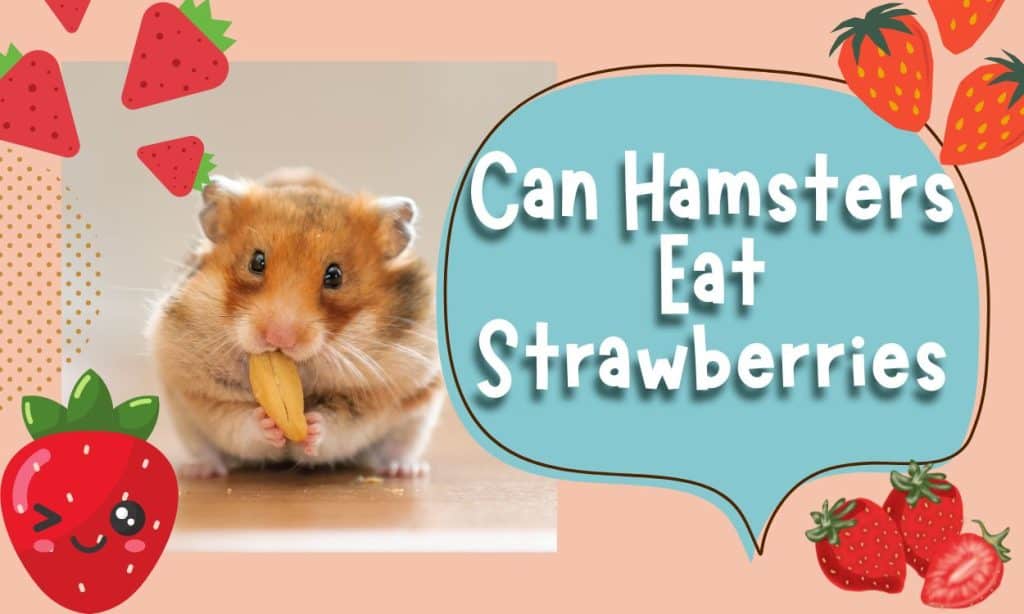
Hamsters, those diminutive and endearing rodents, have captivated the hearts of pet enthusiasts around the globe. Their playful antics and inquisitive nature create an air of charm that makes them beloved companions. Yet, as with any pet, ensuring a proper diet is paramount for their health and vitality. One question that often arises among hamster caretakers is: can hamsters eat strawberries? This inquiry opens up a fascinating exploration into dietary needs, nutritional benefits, and some potential pitfalls of offering fruits like strawberries to these small creatures.
To approach this topic, one must first understand the innate dietary preferences of hamsters. These tiny creatures are omnivorous by nature, which means they consume a diverse range of food items. Their diet in the wild typically consists of seeds, grains, vegetables, and occasionally small insects. However, in captivity, their diet can become a topic of concern as pet owners seek to provide a balanced and nutritious feeding regimen.
Strawberries, being a colorful and popular fruit, have piqued the interest of many hamster owners. Bursting with flavor, these red jewels of nature are not only delightful to humans but may also offer a variety of health benefits to your furry friend. The juicy flesh encases a wealth of vitamins, particularly vitamin C, which is crucial for the overall well-being of hamsters.
The Nutritional Profile of Strawberries
Strawberries are packed with essential nutrients that can be advantageous for hamsters when offered in moderation. They are low in calories and high in dietary fiber, which aids in digestion. Among their many virtues, strawberries contain:
- Vitamin C: Vital for maintaining a healthy immune system, vitamin C also assists with the synthesis of collagen, essential for skin health. Hamsters, much like humans, require this nutrient to thrive.
- Antioxidants: Strawberries are replete with antioxidants, which combat free radicals in the body, promoting longevity and vitality.
- Potassium: This mineral supports muscle function and helps maintain proper fluid balance in the body, crucial for active hamsters.
- Folate: Essential for cellular function and growth, folate is particularly important during the breeding season.
How to Introduce Strawberries into a Hamster’s Diet
When considering adding strawberries to your hamster’s diet, it is imperative to adhere to certain guidelines. Here are steps you should follow:
- Start Small: Introduce strawberries gradually. Offer a tiny piece, about the size of your hamster’s paw, to gauge their reaction.
- Monitor Health: After the initial introduction, keep a watchful eye on your pet. Look for signs of gastrointestinal distress, as not all hamsters will digest fruits equally.
- Limit Frequency: Due to their natural sugars, strawberries should only be provided as an occasional treat rather than a staple food item. A recommended frequency would be once or twice a week.
- Wash Thoroughly: Always wash strawberries to remove any pesticides or chemicals that may be harmful to your pet.
Potential Risks and Considerations
While strawberries can be a delightful addition to a hamster’s diet, it is crucial to remain cognizant of potential risks. The sugars inherent in strawberries could lead to obesity or diabetes when consumed in excess. Furthermore, the acidity of the fruit may irritate sensitive stomach lining, leading to discomfort.
Additionally, it is vital to refrain from offering any processed strawberry products, such as jams or desserts, which often contain added sugars and preservatives detrimental to your pet’s health. Fresh, organic strawberries are always the best choice.
Alternatives to Strawberries
While strawberries can certainly be part of a varied diet for hamsters, incorporating a range of fruits and vegetables can provide a more holistic approach to nutrition. Options to consider include:
- Blueberries: These little powerhouses are rich in antioxidants and can be offered with similar moderation.
- Cucumbers: Known for their high water content, cucumbers help keep hamsters hydrated.
- Carrots: Carrots offer crunch and can be a good source of beta-carotene.
- Leafy Greens: Vegetables like kale or spinach provide essential vitamins while keeping shredding behavior in check.
Conclusion
In summation, hamsters can indeed enjoy strawberries, but it is essential to do so with caution and awareness. By providing these delightful fruits occasionally, you can enhance your pet’s diet without compromising their health. The joy that accompanies witnessing a hamster relish a strawberry—nose twitching and tiny paws grasping the fruit—is simply irreplaceable. As you embark on this journey of culinary exploration for your furry companion, always prioritize their nutritional needs and health. The delightful world of hamster nutrition is as vibrant and diverse as the creatures themselves.










Leave a Comment