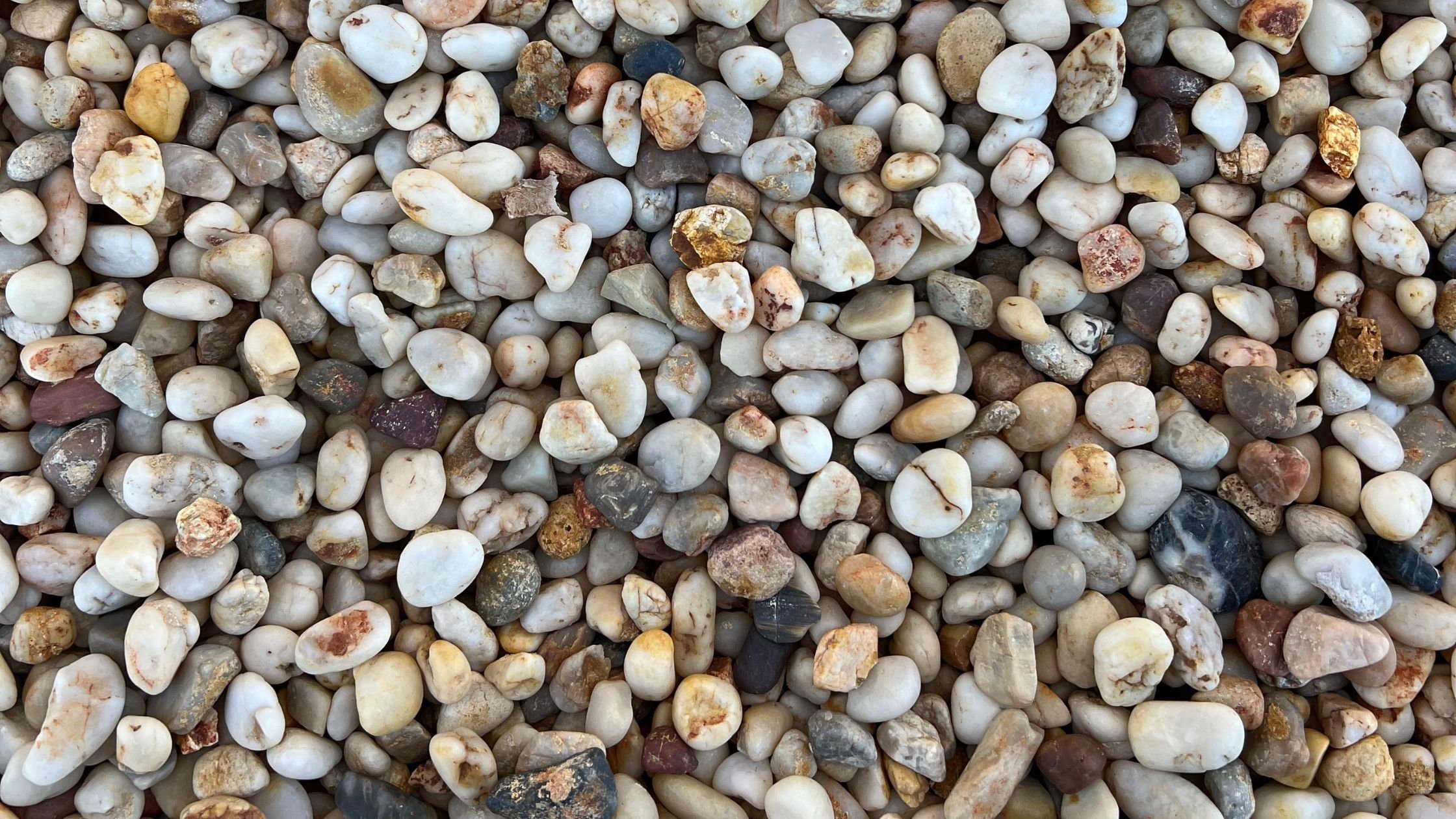
Concrete, a quintessential material in construction, is composed of several fundamental components that interplay to create a strong, durable, and versatile product. One of the lesser-known, yet significant materials used in concrete mixtures is wet rock gravel. This article aims to elucidate the multifaceted roles that wet rock gravel plays in concrete, exploring its varieties, benefits, and specific applications.
Understanding Wet Rock Gravel
Wet rock gravel, as the name suggests, refers to gravel that retains moisture, often due to its extraction process or environmental conditions. Unlike dry gravel, wet rock gravel has unique properties that can influence the overall performance and characteristics of concrete. The term encapsulates various aggregated materials ranging from small pebbles to larger stones, typically utilized for structural and ornamental purposes in concrete projects. Its moisture content can affect workability, strength, and durability when incorporated into different concrete mixes.
Types of Wet Rock Gravel
In the world of construction, there’s a plethora of gravel types, each bringing its own set of advantages. Below are some predominant types of wet rock gravel typically found in concrete applications:
- Granite Gravel: Renowned for its density and robustness, granite gravel offers excellent compressive strength, making it ideal for heavy-load structures.
- Limestone Gravel: Frequently used in concrete, limestone gravel is prized for its cost-effectiveness and ability to bond well with cement, enhancing the overall stability of the concrete.
- River Gravel: Sourced from riverbeds, this type of gravel has a naturally smooth texture due to erosion. Its rounded shape helps improve the workability of concrete mixtures.
- Basalt Gravel: Known for its strength and toughness, basalt gravel is often used in high-performance concrete mixes, particularly in areas subject to extreme conditions.
The Benefits of Using Wet Rock Gravel in Concrete
Utilizing wet rock gravel in concrete formulations confers a multitude of benefits:
- Enhanced Workability: The moisture content of wet rock gravel can lead to better workability during mixing, allowing for a more malleable concrete paste that is easier to manipulate during pouring and shaping.
- Improved Bonding: The presence of moisture helps establish a stronger bond between the gravel particles and the cement paste, which can elevate the structural integrity of the final product.
- Reduction of Dust: Wet rock gravel minimizes dust generation during mixing and handling, contributing to a safer construction environment.
- Temperature Regulation: Wet aggregates can help in moderating the temperature of the concrete mixture, reducing the risk of thermal cracking as it cures.
- Water Retention: The moisture in wet rock gravel can augment the hydration process of the cement, potentially leading to a stronger, more durable concrete.
Specific Applications of Wet Rock Gravel in Concrete
Understanding the nuances of wet rock gravel can guide its application in various concrete structures, fostering more robust outcomes:
- Residential Foundations: Wet rock gravel is frequently utilized in residential foundations, imparting strength and stability that can support the weight of a structure over time.
- Driveways and Patios: The smooth texture of river gravel, when used in concrete, provides a visually appealing finish for driveways and patios while ensuring excellent drainage capabilities.
- Road Construction: In road construction, wet rock gravel is integral to enhancing the load-bearing capacity of concrete mixtures, ensuring longevity and resilience against wear and tear.
- Commercial Building Structures: For larger projects, incorporating various types of wet rock gravel can tailor the concrete mix for specific requirements, such as seismic resistance or insulation
- Decorative Concrete: Wet rock gravel can also be utilized in creating decorative concrete surfaces, enhancing aesthetic appeal with its natural textures and colors.
Considerations and Best Practices
While wet rock gravel brings numerous advantages, certain considerations should be kept in mind to optimize its use:
- Quality Control: Ensuring the gravel is clean and free from organic materials is paramount, as impurities can hinder the curing process and affect the strength of concrete.
- Moisture Management: Assessing the moisture content is crucial. Excess moisture can lead to challenges in achieving the desired water-to-cement ratio.
- Gradation: Using a well-graded combination of different gravel sizes can improve the packing density, which enhances the overall performance of the concrete mix.
Conclusion
In summary, wet rock gravel plays an indispensable role in the formulation of concrete, contributing significantly to its workability, strength, and durability. Different types of gravel, each with unique properties, provide a rich palette for construction professionals seeking to tailor their concrete to meet specific structural requirements and aesthetic goals. By harnessing the myriad benefits of wet rock gravel and adhering to best practice guidelines, the construction industry can continue to evolve, delivering robust and sustainable solutions for modern infrastructure challenges.









Leave a Comment