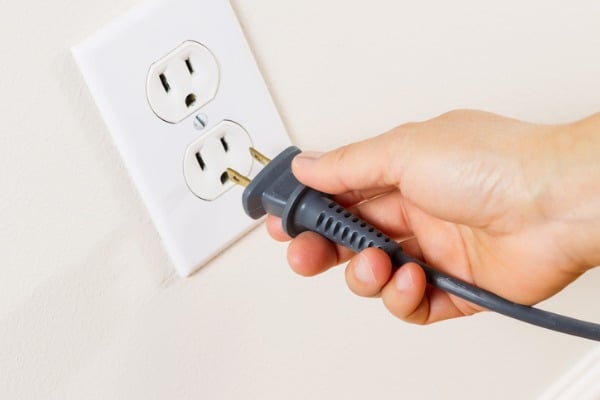
Have you ever been in the middle of a cozy evening at home, only to have the sudden jolt of frustration when your beloved lamp refuses to flicker back to life? You glance around in curiosity, only to discover that the outlet has stopped working—yet the circuit breaker remains tantalizingly intact. What could possibly be the cause of this perplexing conundrum? This intricate situation presents both a challenge and an opportunity to delve deeply into the workings of our electrical systems and how to address these vexing issues, ensuring your abode remains both functional and comfortable.
In this comprehensive guide, let’s embark on an exploration of the various reasons an outlet may cease functioning while the breaker remains untripped. We’ll analyze plausible causes, provide troubleshooting tips, and discuss potential when-it-happens scenarios. Get ready for a mix of practical advice and insightful information!
1. Loose Connections
One of the most common culprits behind an unresponsive outlet is a loose or faulty connection. Over time, the wires that feed power into the outlet may work themselves loose, ultimately inhibiting the flow of electricity. In such cases, it may be worth investigating the outlet itself. Ensure that the power is turned off at the breaker before removing the faceplate and inspecting the wiring. If the connections appear compromised, snug them back together or consult a qualified electrician for assistance.
2. Disconnected Wiring
If a loose connection doesn’t resolve the issue, consider the possibility of disconnected wiring. In some instances, an outlet may simply become disconnected from its source due to physical strain, particularly in high-traffic areas where cords are frequently tugged or stepped over. This disconnection might not trigger the breaker but can leave your outlet effectively useless. Following the same safety precautions, an inspection can uncover any loose wires at both the outlet and the junction box. If you’re uncertain about reestablishing these connections, inviting a professional may be your best bet.
3. Faulty Outlet
Sometimes, the issue lies not with the wiring—but with the outlet itself. Just like any other device, outlets can wear out or deteriorate over time. Symptoms of a faulty outlet may include inconsistent connectivity or visible signs of damage like burns or discoloration. If you suspect the outlet is at fault, consider replacing it. Choose a secure, high-quality replacement designed to carry the correct amperage for your home to prevent future outages.
4. Shared Circuits
In many homes, outlets are part of larger circuits that are also shared with other devices and appliances. If too many high-wattage devices are connected simultaneously, the load may overwhelm the circuit even if the breaker itself isn’t tripped. Take a moment to assess whether there are competing devices drawing power from the same circuit. Temporarily disconnecting some of these devices can lend clarity to the situation, revealing whether overloading was the issue in the first place.
5. GFCI Tripped
A Ground Fault Circuit Interrupter (GFCI) is designed to protect you from electrical shock, especially in damp areas. If the stopped outlet is part of the GFCI circuit, it’s essential to note that a GFCI can trip without tripping the circuit breaker. Inspect all GFCI outlets in the vicinity or unconnected circuits to ensure they have not struggled to maintain balance. Reset the GFCI, and voilà! Your problem could be resolved with a simple button press.
6. Circuit Overload
In addition to individual devices, an entire circuit can become overloaded, leading to power disruption. This often occurs during holidays or gatherings when multiple devices are used in a short period. If you notice multiple outlets going silent, investigate whether the entire circuit is experiencing issues. Upgrading to a higher capacity circuit or redistributing electrical demands can be effective long-term remedies for this brewing storm of electrical stress.
7. Firmware and External Factors
Less frequently considered are external factors that could be affecting the performance of your outlets. For example, voltage irregularities or anomalies in your home’s electrical system can contribute to an outlet that appears dead. Additionally, older homes may exhibit age-related wiring deterioration, making them more susceptible to problems that don’t necessarily relate to individual outlets. Consulting with an electrical professional can provide profound insight into systemic issues that may require attention.
8. Contributor Considerations
No exploration of electrical outages would be complete without a nod to sensitive electronics. Advances in home technology have led to the proliferation of smart devices, many of which are more sensitive to fluctuations than their traditional counterparts. If an outlet stops functioning despite your troubleshooting efforts, consider whether a connected device may have experienced a malfunction that effectively impacted the outlet’s ability to operate.
In conclusion, tackling an issue where an outlet has stopped working without an apparent tripped breaker is much like solving an intricate puzzle. From loose and disconnected wiring to faulty outlets, overloads, and external factors, there are numerous potential reasons lurking behind that sudden silence. As you navigate this electrical maze, keep your safety at the forefront, and when in doubt, don’t hesitate to consult with a certified electrician. Proper troubleshooting not only ensures a functional outlet but also fosters a deeper understanding of the electrical lifeblood that powers your home. Who knows? You might even impress friends and family with your newfound knowledge the next time the lights dim unexpectedly.








Leave a Comment