Are Red Beans And Kidney Beans The Same?
In the vast realm of legumes, the diversity of textures, flavors, and nutritional profiles is both intriguing and essential. Among these varieties, red beans and kidney beans often emerge in conversations that explore their similarities and differences. Despite their common usage in various cuisines, shades of red, and nutritional benefits, they are distinct entities deserving of a thorough examination. This article seeks to illuminate the intricacies surrounding red beans and kidney beans, providing clarity for culinary enthusiasts and health-conscious individuals alike.
Physical Appearance and Characteristics
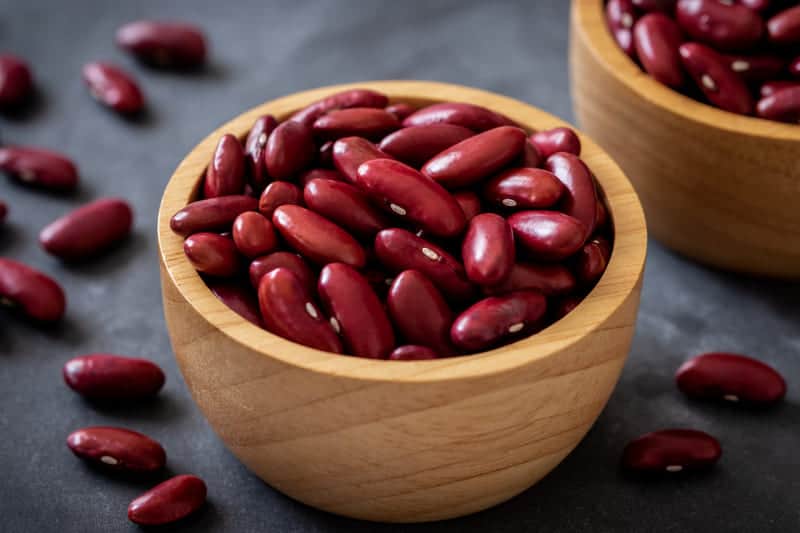
When considering red beans and kidney beans, the visual distinctions are self-evident, yet subtle differences warrant attention. Red beans are typically smaller, oval-shaped, and often boast a deep, reddish-brown hue. In contrast, kidney beans are larger, more kidney-shaped, and possess a glossier surface. Their color ranges from a vibrant dark red to a lighter shade, which can sometimes lead to confusion during recipe preparation or grocery shopping.
Nutritional Composition
Both red beans and kidney beans are lauded for their nutritional value, rich in protein, fiber, and essential vitamins. Red beans are particularly high in antioxidants, which contribute to their health-promoting properties. They contain a substantial amount of folate, iron, and magnesium, favorably impacting heart health and digestive function.
Kidney beans, conversely, are also an excellent source of protein and dietary fiber, albeit they possess a superior potassium content. This particular mineral is vital for maintaining healthy blood pressure levels. Furthermore, kidney beans are imbued with a considerable amount of isoflavones – phytonutrients offering anti-inflammatory and antioxidant benefits, further enhancing their reputation as a nutritious food choice.
Culinary Usage
Delving into the culinary applications of these beans reveals their unique roles across varying cuisines. Red beans find their utmost popularity in dishes such as the beloved “red beans and rice,” a hallmark of Creole and Cajun cuisines in the Southern United States. Their softer texture and creaminess complement rice perfectly, offering a hearty, nutritious meal.
On the other hand, kidney beans are staples in chili con carne and various stews, where their firm texture holds up well during prolonged cooking. They add robustness to these hearty dishes while absorbing surrounding flavors, enhancing the overall taste profile. Additionally, kidney beans make splendid additions to salads and bean mixes, bringing a vibrant splash of color along with their nutritional advantages.
Cooking Methods and Considerations
Preparing red beans and kidney beans involves particular methods that are essential for optimal flavors and digestion. While both can be cooked from dried or canned forms, it’s crucial to note the soaking process for dried beans. Red beans should ideally be soaked for a minimum of 8 hours to reduce cooking time and enhance digestibility. A quick soak method is an alternative, bringing them to a boil for a minute before letting them sit for an hour.
Kidney beans also require soaking, but with a peculiar caution: they are known to contain harmful toxins, specifically phytohaemagglutinin. This substance can lead to gastrointestinal distress if not properly cooked. Thus, it is critical to boil kidney beans for at least 10 minutes before letting them simmer until tender. This precaution eliminates potential toxins, ensuring safe consumption.
Health Benefits
The health benefits of red beans and kidney beans cannot be overstated. Both varieties contribute positively to heart health due to their high fiber, potassium, and antioxidant content. Regular consumption has been linked to lower cholesterol levels and reduced risks of heart disease.
Moreover, beans of all types are known for their ability to regulate blood sugar levels, making them suitable for individuals managing diabetes. Their low glycemic index ensures that glucose rises slowly in the bloodstream, providing a sustained energy source without spikes.
Environmental Impact
The environmental impact of cultivating legumes like red beans and kidney beans merits consideration as well. Both contribute significantly to sustainable agriculture due to their nitrogen-fixing ability, enriching the soil for subsequent crops. As more individuals adopt plant-based diets, legumes will play a pivotal role in addressing environmental sustainability while also providing essential nutrients.
Final Thoughts
In summary, while red beans and kidney beans share a resemblance in color and nutritional benefits, they are distinct varieties, each with unique characteristics and culinary applications. From their differing shapes and sizes to their individual health benefits and cooking considerations, understanding these nuances can greatly enhance culinary experiences and nutritional intake. Ultimately, incorporating both beans into your diet not only diversifies your meals but also contributes positively to health and sustainability. Embrace the unique flavors and textures of red beans and kidney beans, and enjoy the journey of discovery in the legume family.











Leave a Comment