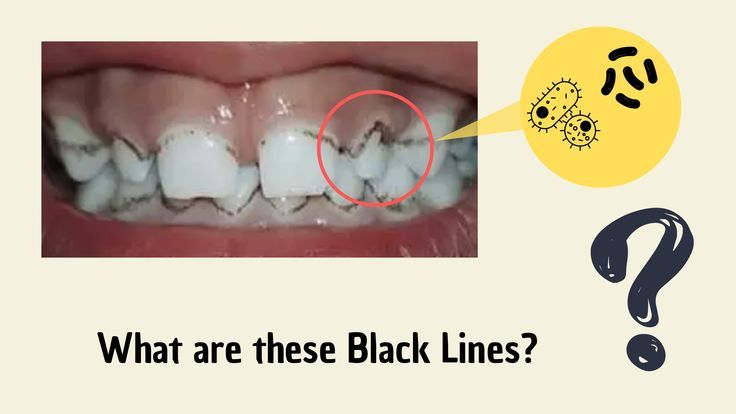
Teeth often reveal tales of our health, habits, and even our emotions. Among these narratives, the appearance of dark lines on teeth has garnered curiosity and concern from many individuals. These enigmatic streaks can serve as a testament to various underlying issues or behaviors. In this exploration, we delve into the potential causes, implications, and creative interpretations surrounding dark lines on teeth.
1. The Aesthetic and Symbolic Allure
Firstly, dark lines on teeth can evoke a certain fascination. From a purely aesthetic standpoint, they might evoke thoughts about imperfection, beauty, and the passage of time. In art and literature, such irregularities often symbolize the journey of life, where experiences and choices leave their marks. This philosophical perspective invites deeper contemplation about our relationships with our bodies and the narratives they portray.
2. Dental Staining: A Primary Culprit
The most common cause of dark lines on teeth is staining, which can occur due to various dietary and lifestyle choices. Consuming drinks such as red wine, coffee, tea, and colas can lead to extrinsic staining, where pigments adhere to the enamel. Moreover, food items rich in chromogens, such as berries and sauces, can contribute to the darkened appearance. Over time, these stains can coalesce into lines, particularly in areas where plaque buildup occurs.
3. The Enamel’s Dance with Plaque
Plaque accumulation is another factor that can lead to the formation of dark lines. When plaque is not removed through regular brushing and flossing, it can harden into tartar, further contributing to discoloration. The interaction between plaque, tartar, and external staining agents creates a compelling visual effect that can take the form of dark streaks along the dental surface. It’s a vivid reminder of the importance of oral hygiene not merely for aesthetics but for overall dental health.
4. Intrinsic Staining: A Genetic Perspective
While extrinsic factors play a significant role in teeth discoloration, intrinsic staining can also produce a different kind of dark line. Conditions such as fluorosis, where excessive fluoride exposure leads to mottled enamel, can result in brown or dark lines. Similarly, genetic predispositions can result in certain structural defects in the enamel, leading to discoloration. Here, we find a complex interplay of genetics and environmental factors that shape the appearance of our teeth.
5. The Role of Medications
Certain medications can lead to dark lines on teeth as well. The antibiotic tetracycline, for example, is notorious for causing intrinsic staining during the early years of tooth development, resulting in unsightly lines or bands on the surface of teeth. Additionally, medications that impact salivary flow can contribute to increased plaque accumulation, further exacerbating the appearance of dark lines. The connections between our health, medication, and dental aesthetics reveal a multifaceted narrative.
6. Aging and Wear: A Natural Progression
As we age, our teeth undergo natural changes. Wear and tear on enamel, coupled with the effects of time, can lead to the emergence of surface irregularities that appear as dark lines. The dentin beneath our enamel can become more visible as the outer layer thins, thereby creating a contrast that manifests as dark streaks. This phenomenon reminds us of the inevitability of aging and its physical manifestations, inspiring reflections on acceptance and resilience.
7. Cultural Interpretations and Symbolism
Throughout history and across cultures, the appearance of dark lines on teeth has been interpreted in diverse ways. In some societies, they might denote wisdom or resilience, echoing the belief that every imperfection carries a story. Conversely, they may be viewed negatively, suggesting neglect or ill health. This dichotomy underlines how our perceptions shape not only our worldview but also our self-image and societal judgments.
8. Preventative Measures: Caring for Teeth
For those who wish to mitigate or prevent the appearance of dark lines, vigilant oral hygiene is paramount. Regular brushing with fluoride toothpaste, coupled with flossing, can significantly reduce plaque buildup and staining. Additionally, professional dental cleanings and consultations can identify potential issues before they manifest visibly. Adopting a balanced diet that minimizes stain-causing foods while promoting dental health can also play a critical role in maintaining the tooth’s natural brightness.
9. Seeking Professional Guidance
If dark lines on teeth are a persistent concern, seeking advice from a dental professional is essential. They can evaluate the underlying causes and recommend appropriate treatments, from whitening procedures to restorative options that address both aesthetics and health. A proactive approach ensures that dental concerns are managed before they evolve into more significant issues.
Conclusion
Dark lines on teeth may initially appear as mere blemishes, but they encompass a rich tapestry of implications about health, choices, and even cultural narratives. Understanding these markings demystifies their presence, allowing us to see them as a complex interplay of factors rather than mere imperfections. As we navigate our experiences and choices, the reflections on our teeth remind us of the stories we carry within us, inviting contemplation regarding our journey through health and existence.











Leave a Comment