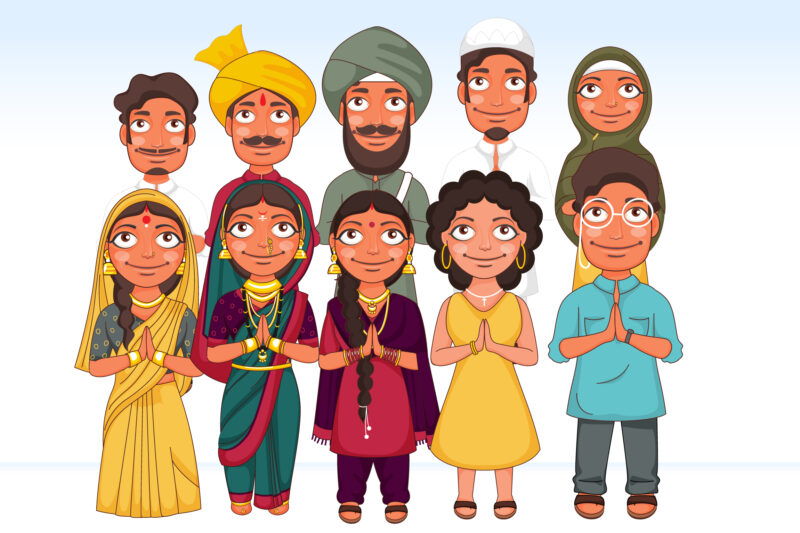
The phrase “United We Stand, Divided We Fall” resonates deeply in the fabric of societies around the globe. It encapsulates a fundamental truth about the interdependence inherent in human relationships, communities, and nations. This maxim is not just a catchy slogan; it reflects a profound observation about the dynamics of cooperation and conflict. By delving into the myriad reasons behind our fascination with unity and division, we can uncover the subtleties that define human interactions and the consequences of our choices.
At its core, the concept of unity evokes a sense of belonging and shared purpose. Humans are inherently social creatures, hardwired for connection. Our ability to collaborate and forge alliances has been pivotal to our survival and progress. Tribes and communities that banded together have had a distinct advantage over those fragmented by discord. This bond fosters trust and resilience, enabling individuals to face external challenges with greater efficacy. The psychological need for acceptance fuels our quest for fellowship, drawing us toward collective endeavors whether they be social, political, or familial.
However, the allure of division also commands attention. Throughout history, division has been the progenitor of conflict, strife, and heartache. The schisms that arise from cultural, ideological, or economic disparities often lead to a fracturing of relationships. Despite the painful ramifications, there is an inexplicable intrigue surrounding these ruptures. Division often manifests in the form of rivalries—rivalries that can galvanize passion and loyalty but simultaneously engender animosity and mistrust. It is this duality of attraction and repulsion that prompts a deeper inquiry into our fascination with both unity and division.
One can argue that the human psyche is drawn to narratives of conflict. Literature and cinema thrive on the theme of struggle, pitting characters against each other, exploring their motives, and revealing their vulnerabilities. These tales, whether the classic hero-villain sagas or the subtle portrayals of interpersonal discord, captivate audiences because they mirror the complexities of our existence. In a sense, they serve as a reflection of our internal struggles and the societal divisions we navigate daily.
Moreover, the political landscape epitomizes the dichotomy of unity and division. As citizens, we are frequently confronted with polarized ideologies that threaten to dismantle the very fabric of democratic principles. The pervasive nature of partisanship illustrates how easily a united front can dissolve into factionalism. Political polarization unveils not only differing perspectives but also the emotional underpinnings that drive individuals to align with specific camps. This alignment is fueled by a mixture of fear, loyalty, and the human tendency to seek out information that reinforces preconceived notions. Consequently, division can breed an echo chamber effect, further entrenching individuals within their ideological enclaves.
The advent of digital communication exacerbates this phenomenon. Social media platforms create an environment ripe for division, where discord is amplified and commonly celebrated. Algorithms drive the creation of echo chambers, isolating individuals from diverse viewpoints. The immediacy of online discourse can transform mere disagreement into personal affronts. Thus, the once-simple act of engaging in civil discourse now often spirals into hostility. As online communities coalesce around shared grievances, the potential for collective action emerges; yet, this often comes at the expense of mutual understanding.
Identity politics exemplifies another layer of this labyrinthine relationship between unity and division. As individuals seek affirmation of their identities, they cultivate alliances based on race, gender, religion, and other markers of social identity. While this can foster solidarity and amplify marginalized voices, it also risks entrenching divisions. The quest for recognition can lead to an inadvertent alienation of those who do not share the same identities. The challenge lies in finding a balance between celebrating diversity and embracing a larger identity that unites rather than divides.
Yet, amidst these challenges, there is also an inherent optimism that stems from unity. Movements for social justice, environmentalism, and global cooperation demonstrate the incredible power of people coming together for a common cause. Examples abound where collective action has dismantled oppressive regimes, instituted profound societal changes, and addressed existential challenges. Such movements ignite a sense of hope, illustrating that, despite our differences, we can achieve remarkable feats when we unite.
Ultimately, the journey toward understanding “United We Stand, Divided We Fall” invites a careful examination of our motivations, our allegiances, and our societal structures. Recognizing the intricate balance between unity and division ushers us into a broader dialogue about our collective futures. Ignoring the perils of division while cherishing the strengths of unity can pave the way for more harmonious living. The challenge and the opportunity lie in fostering environments where diverse perspectives can coexist undeterred, ultimately enriching the tapestry of human experience.
In conclusion, the allure of unity is firmly rooted in our quest for belonging, while the intrigue of division underscores the complexities of human interaction. Both aspects warrant careful consideration as we navigate an increasingly interconnected world. Recognizing the importance of collaboration, while simultaneously acknowledging the repercussions of discord, can guide us toward building resilient communities. In unity, we discover our potential; in division, we are reminded of our vulnerabilities. The wisdom lies in understanding how these dualities shape our shared narrative.









Leave a Comment