In an era where energy efficiency and sustainability take center stage, homeowners frequently find themselves entangled in the complexities of heating and cooling systems. Could your residence be equipped with a heat pump, operating quietly in the background while you bask in comfort? This intriguing query deserves a thoughtful examination. Understanding whether a heat pump is present in your home can not only save you money but also enhance your lifestyle. Here’s an extensive, well-rounded exploration to help you decipher this enigmatic piece of equipment.
1. Understand the Basics of Heat Pumps
Before embarking on a journey to identify the presence of a heat pump in your residence, it is essential to grasp the core principles of how it operates. A heat pump is a versatile device that provides both heating and cooling by transferring heat from one location to another. In the winter, it extracts warmth from the outside air or ground and pumps it inside. Conversely, during summer months, it reverses this process, expelling indoor heat outdoors. This dual functionality is pivotal in elucidating its importance in modern homes.
2. Examine Your Existing HVAC System
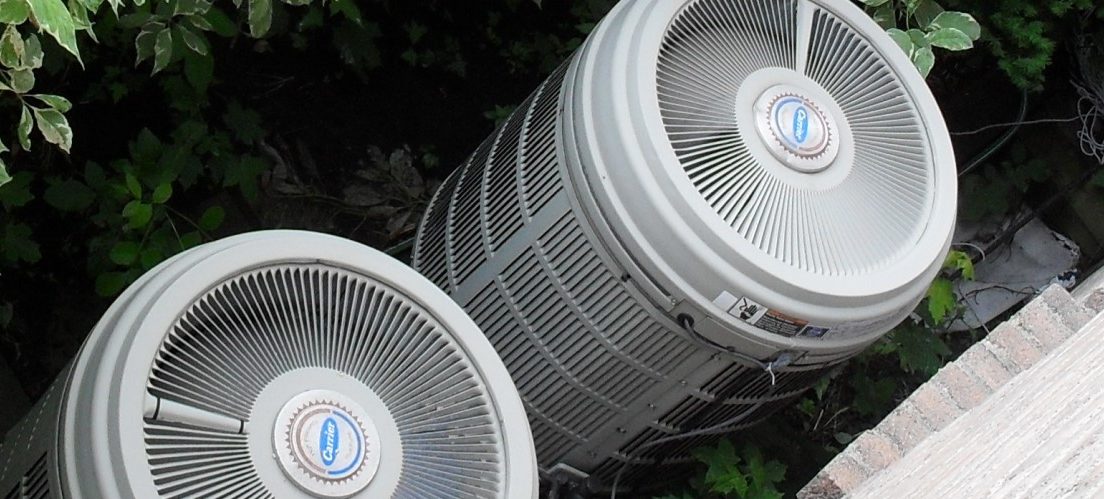
Commence your investigation by examining your heating, ventilation, and air conditioning (HVAC) system. Often, the outdoor unit of a heat pump resembles that of an air conditioning system. Look for a compact metal box, typically situated outside your residence. If you discern a unit with only one component—unlike traditional systems with separate furnaces and air conditioners—there’s a strong possibility that you’re encountering a heat pump.
3. Investigate Your Thermostat Controls
Your thermostat may contain clues regarding the heating system in use. If you notice settings for both heating and cooling, this dual options presence often suggests that a heat pump is the controlling mechanism. Some thermostats specifically tailored for heat pump systems possess distinctive symbols or settings that differ from conventional furnace thermostats.
4. Detect the Temperature Variations
Another intriguing method to discern the presence of a heat pump is to pay attention to temperature gradients in your home. Heat pumps operate at lower temperatures than conventional HVAC systems. If your heating system maintains a consistent temperature without hot spots or drastic fluctuations, it is plausible you have a heat pump in action. Note that heat pumps may struggle in extremely frigid temperatures, leading to diminished efficiency and potential reliance on auxiliary heating systems.
5. Inspect the Ductwork Configuration
Heat pumps may be integrated with existing ductwork or function as ductless mini-splits. Assess the layout of your ducts; if they seem to lead to individual room units rather than a centralized system, a ductless option may be installed. Mini-split systems convey heat or cool air through discreet wall-mounted units which enhance aesthetic appeal while providing efficient climate control.
6. Listen for Operational Sounds
Engaging your auditory senses can also lead to valuable insights. Heat pumps often emit a gentle hum during operation. Unlike traditional furnaces or boilers that produce more palpable sounds, a heat pump operates quietly. If you notice a soft whirring sound rather than loud clanking or booming noises, you may be experiencing the comforting hum of a heat pump working proficiently.
7. Observe the Outdoor Unit During Function
During periods of operation, take the time to observe the outdoor unit. A heat pump will discharge cool air in cooling mode while absorbing heat in heating mode. Feel the air emanating from the unit with your hand. If it is cooler than the outside temperature, it is likely working in cooling mode, thus indicating it is a heat pump. Conversely, if it’s warm during the heating season, the presence of a heat pump is confirmed.
8. Evaluate Energy Bills
Monitoring your energy expenses can yield significant intel about your heating system. Heat pumps are celebrated for their efficiency, often translating to lower energy bills compared to traditional heating systems. If you notice a more favorable energy expenditure, it may be time to consider the possibility of your home being equipped with this advanced technology.
9. Call in the Experts
When in doubt, don’t hesitate to enlist the expertise of an HVAC professional. These trained individuals can perform a comprehensive system analysis, quickly identifying whether a heat pump resides in your home. Their proficiency will not only afford you clarity on your existing setup but might also unveil opportunities for improved efficiency or upgrades to more advanced systems.
10. Embrace the Knowledge
Ultimately, possessing the knowledge to discern the presence of a heat pump in your home can unlock various advantages, such as improved energy efficiency and comfort. Armed with the right insights, you hold the power to make informed decisions regarding heating and cooling systems, paving the way for an eco-friendly and cost-effective lifestyle.
As you embark on this quest of discovery, building awareness of your home’s climate control system encompasses more than just identifying a single item. It’s about appreciating the entire ecosystem of your home. Regardless of whether you find a heat pump or another HVAC solution, being informed leads to greater efficiency and comfort. The exploration of your heating system might, in fact, ignite a newfound passion for sustainable living. So don’t just reside in comfort; delve deeper into the mechanics that make it all possible.









Leave a Comment