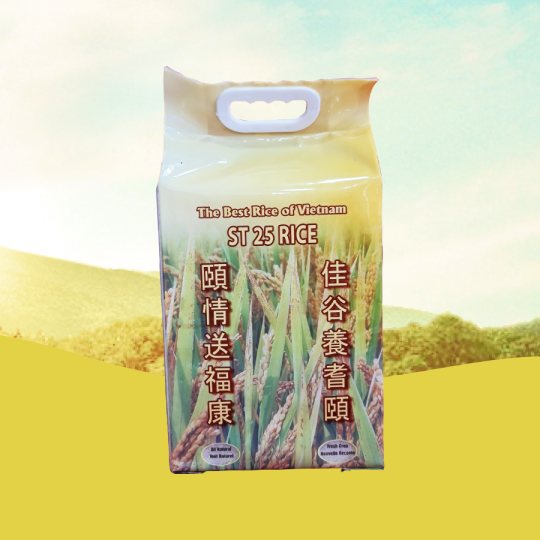
Japonica rice, the cornerstone of traditional sushi making, embodies a distinct texture and flavor that elevates this Japanese culinary practice to art. Originating from regions where the climate is conducive to its growth, Japonica rice thrives in moist environments, characterized by its short, plump grains. This article delves into the intricate world of Japonica rice, exploring its types, cultivation, preparation methods, and its crucial role in sushi, providing a comprehensive guide for enthusiasts and culinary practitioners alike.
Understanding Japonica Rice
To fully appreciate the significance of Japonica rice in sushi, one must first understand its unique properties. Unlike the long, slender grains of Indica rice, Japonica rice boasts a shorter and rounder shape, which lends itself to greater stickiness when cooked. This characteristic is pivotal for sushi, as the adhesive quality of the rice holds the fish and other ingredients together, enabling the formation of perfect sushi rolls or nigiri.
The key varietals of Japonica rice include Koshihikari, Akita Komachi, and Sasanishiki, each offering distinct flavor profiles and textures that contribute to the overall sushi experience. These varieties have garnered a reputation for excellence in both domestic and international culinary scenes.
Types of Japonica Rice
1. Koshihikari: Celebrated for its exceptional sweetness and slight nuttiness, Koshihikari is often considered the gold standard among sushi rice. Grown primarily in Niigata Prefecture, this varietal is cherished for its chewy texture and ability to absorb flavor, making it a favorite for sushi chefs.
2. Akita Komachi: Hailing from the Akita Prefecture, this rice type is known for its fluffy texture and subtle aroma. Akita Komachi holds its shape exceptionally well when molded, making it ideal for various sushi forms, from nigiri to maki.
3. Sasanishiki: This varietal possesses a light, delicate taste, with a slightly sticky quality that is perfect for sushi. Sasanishiki retains its structure during cooking, making it an excellent choice for sushi aficionados who prefer a shorter grain with finesse.
The Cultivation and Harvesting of Japonica Rice
The cultivation of Japonica rice is a meticulous process influenced by climate, soil, and water management. Ideally grown in temperate regions, the cultivation begins in flooded fields known as paddies. Each stage, from planting to harvesting, requires precision and attention to detail. The rice is typically sown in April and harvested in late September to early October.
After the rice is harvested, it undergoes a drying process to achieve optimal moisture content. The milling process, which removes the outer husk and bran layers, is carefully executed to preserve the rice’s quality and nutritional value. With a firm understanding of these cultivation practices, one can appreciate the journey of Japonica rice from the paddy to the plate.
Preparation Methods for Sushi Rice
Once harvested and milled, the preparation of Japonica rice is an art form in itself. The process begins with rinsing the rice under cold water, which removes excess starch and prevents the grains from becoming gummy. Typically, a ratio of 1:1.2 rice to water is employed, although this may vary according to the specific varietal used.
After soaking for approximately 30 minutes, the rice is cooked, traditionally in a rice cooker for optimal consistency. Once steamed, the rice is seasoned with a mixture of rice vinegar, sugar, and salt, creating the distinctive flavor profile that binds the rice together and complements the sushi ingredients. This seasoning process, known as ‘sushi-zu,’ is crucial for achieving the perfect balance of taste and texture.
The Role of Japonica Rice in Sushi
Japonica rice is indispensable in various forms of sushi, including nigiri, sashimi, and maki rolls. The grain’s inherent stickiness enables it to clump together seamlessly, providing a sturdy base for fresh fish and vegetables. When forming nigiri, chefs mold a small ball of rice, then press it gently with their hands, allowing for a harmonious union with the prime ingredient.
In maki rolls, the rice acts as a binding agent encompassing the fillings, from succulent tuna to crunchy vegetables. A well-prepared bed of sushi rice enhances the flavors of the accompanying ingredients, creating a balanced and enjoyable culinary experience.
Conclusion
Japonica rice serves as the foundation upon which sushi culture thrives, embodying an intricate blend of tradition and craftsmanship. Each varietal brings its unique qualities to the table, offering a versatile canvas for culinary creativity. Understanding the nuances of Japonica rice—from its cultivation and preparation to its crucial role in sushi—enables enthusiasts and chefs alike to appreciate the artistry behind this beloved dish. As sushi continues to captivate palates around the globe, the significance of Japonica rice remains a testament to its enduring legacy in the world of gastronomy.










Leave a Comment