As the fiery hues of autumn surrender to the crisp embrace of winter, many animals prepare for a seasonal metamorphosis. Among the most ubiquitous of these creatures are squirrels, those nimble acrobats of the arboreal world. Their winter behavior is often cloaked in mystery, prompting an array of questions: Where do these furry foragers vanish as the snow blankets the ground? Do they hibernate like bears, or is there something more nuanced at play?
Understanding where squirrels go in winter requires a deeper exploration into their behaviors, habitats, and survival strategies. From their unique adaptation to cold to the fascinating social dynamics within their populations, squirrels offer insight into one of nature’s most enigmatic survival stories.
1. A Winter Retreat: Nesting and Shelter
When the temperature plummets, squirrels seek sanctuary in their nests, known as dreys. These intricate structures are typically crafted from sticks, leaves, and moss, supplemented with insulation materials like fur or feathers. Positioned high in trees, these nests afford protection from predators while also providing a vantage point to survey the surrounding terrain.
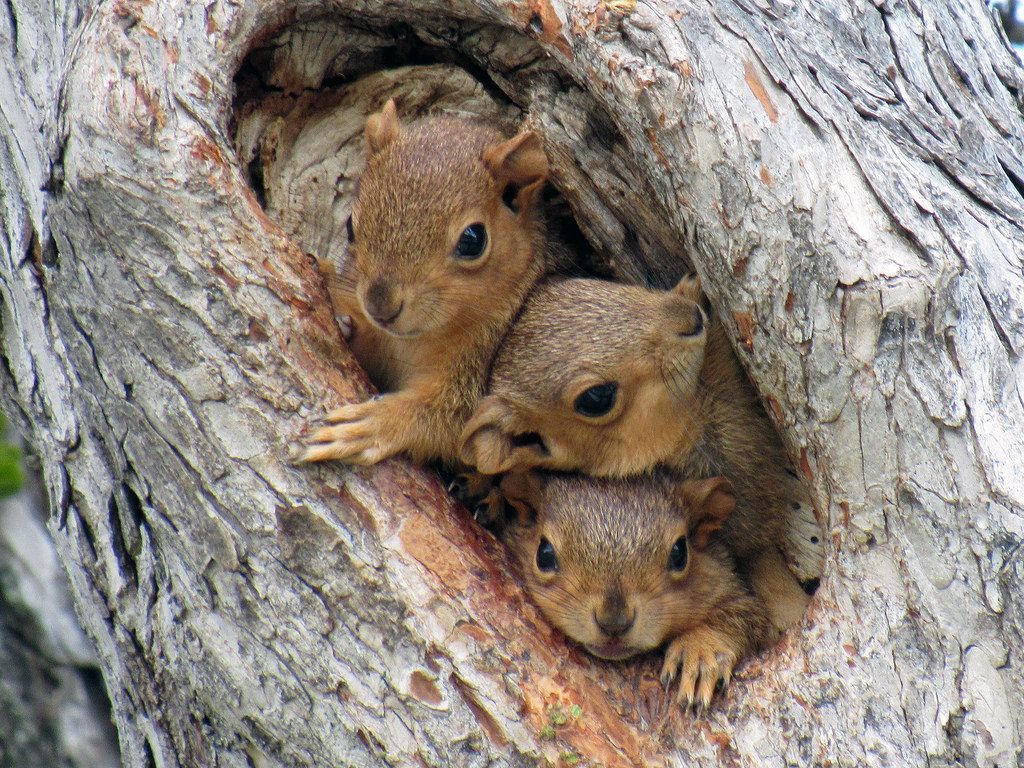
In some cases, squirrels may opt for a more sheltered quarter—the abandoned nests of birds or even the hollows of aging trees. These alternative habitats offer added protection against the biting cold and harsh winds, ensuring that squirrels remain snug and insulated throughout the frosty months.
2. An Ingenious Cache: Food Storage
Perhaps one of the most remarkable aspects of a squirrel’s winter strategy is their propensity to store food. Throughout the bountiful autumn, squirrels engage in a behavior known as caching, where they hide nuts and seeds in various locations. This method serves as a financial reserve to tide them over during the seemingly barren winter months.
While they possess impressive spatial memory to relocate their buried treasures, squirrels also employ a technique called scatter hoarding. This involves dispersing food across numerous small caches instead of concentrating it in one spot, thereby reducing the likelihood of theft and ensuring a reliable food source when foraging becomes challenging.
3. Social Structures: Communal Living
Surprisingly, winter does not lead to total solitude for these rodents. In some species, such as the eastern gray squirrel, social structure becomes more pronounced as individuals band together, sharing warmth and resources. They may congregate in communal nests, snuggled closely to mitigate heat loss—a testament to their resourcefulness in the face of adversity.
These assemblages not only offer physical warmth but also provide an opportunity for social interaction that is somewhat diminished during warmer months, when foraging and territorial behavior dictate more solitary habits.
4. A Marvellous Adaptation: Physical Changes
Such extreme conditions do not deter the resilient squirrel; rather, they adapt splendidly. During winter, these creatures undergo physical changes. Their fur becomes denser and fluffier, helping them retain warmth. Additionally, they may increase their body fat percentage, serving as both insulation and an energy reserve when food is scarce.
Squirrels are not hibernators in the traditional sense. Instead, they enter a state of torpor—marked by reduced metabolic rates, lowered body temperatures, and sluggish behavior—during the coldest spells. This adaptation enables them to conserve energy while still allowing them to venture out occasionally in search of sustenance.
5. The Quest for Food: Winter Foraging
In their relentless pursuit of food, squirrels must adapt their foraging habits as winter sets in. With snow transforming the landscape, their keen sense of smell becomes paramount. They rely heavily on their memory and sensory acuity to locate hidden caches under layers of frost and flurries. This ability to detect scents amid a drifting snowstorm highlights their extraordinary evolutionary adaptations and acute survival skills.
In addition to scavenging from their stockpiles, squirrels are known to forage for tree buds, bark, and even the occasional fungi—expanding their diet to encompass what nature offers during the lean season.
6. The Captivating Circle of Life: Reproduction in Winter
Interestingly, winter also serves as a backdrop for the cycle of life. Although their activity may seem stifled, some squirrels engage in mating rituals when the warmth of early spring begins to peek through the frost. This activity fosters the continuation of the species and often coincides with the gradual thawing of the landscape.
Newborn squirrels emerge into the world later in the season, embodying resilience and adaptability—traits that were hard-wired into their survivalist behavior long before they were born.
As the cold fabric of winter envelops the earth, the life of a squirrel unfolds in an intricate tapestry of adaptation, strategy, and survival. From their inventive caching methods to the warmth of their communal shelters, these creatures exemplify nature’s ingenuity. As you traverse your own winter landscape, you may begin to see beyond the fluff and fur, unveiling the remarkable resilience that enables these remarkable beings to thrive when the world turns white.










Leave a Comment