When it comes to the world of cheese, few options are as revered as Pecorino Romano. This robust cheese hailing from Italy is often confused with other varieties, including the similarly named Romano cheese. As we delve into the intricacies of Pecorino Romano versus Romano cheese, prepare to have your understanding turned on its head. Explore the historical roots, production processes, and unique characteristics of each cheese, and you may find your palate demanding a new favorite.
Understanding Pecorino Romano
Pecorino Romano is a celebrated Italian cheese with a lineage that dates back to ancient times. Traditionally made from sheep’s milk (the Italian word “pecora” translates to “sheep”), it embodies the essence of the regions where it’s produced—primarily Lazio, but also parts of Sardinia and Tuscany. The cheese is typically aged for a minimum of five months, cultivating a flavor profile that evolves from sharp and salty to rich and complex as it matures. With a distinctive crumbly texture, it is often used grated over pasta dishes, enhancing the flavors of classic recipes like Cacio e Pepe.
Delving into the Characteristics
What sets Pecorino Romano apart is its distinctive taste and texture. Its sharpness is a delightful assault on the senses, offering profound umami notes that can transform even the simplest of dishes. The cheese varies in flavor intensity based on its age; newer varieties tend to have a milder, creamier essence, while the aged versions present a bold, tangy profile that can excite even the most jaded of cheese enthusiasts. The fat content, which can range up to 40%, contributes to its sumptuous creaminess, making it ideal for those craving a cheese with character.
Exploring Romano Cheese
Often overshadowed by its prestigious cousin, Romano cheese can refer to a number of different cheeses, but is mainly associated with cow’s milk varieties in America. This cheese is typically produced in a variety of styles, but unlike the traditional Italian Pecorino Romano, American Romano cheeses tend to have a more subdued flavor, characterized by a softer and less salty profile. The aging process can vary widely, leading to a near-infinite spectrum of tastes. Whether you encounter a sweet and nutty Romano or one with sharper notes, the experience can range from mild to surprisingly robust, depending largely on its specific origin and the milk used in its creation.
Texture and Uses in Culinary Arts
When comparing textures, Pecorino Romano exhibits a firmer, crumblier consistency, making it ideal for grating. Its flavor intensity shines in dishes like pasta and soups, where it can assert itself prominently. Romano, conversely, may be creamier, allowing it to meld smoothly into sauces and dressings. The adaptability of Romano cheese makes it a favored choice in countless culinary applications, while Pecorino Romano often takes center stage in traditional Italian cooking.
Differences in Regional Production
The geographic implications of both cheeses imbue them with unique qualities. Pecorino Romano holds a Protected Designation of Origin (PDO) status, signifying that any cheese labeled as such must be produced in specific regions of Italy, adhering to stringent guidelines. This protection not only helps maintain its authentic taste but also supports traditional cheesemakers. In contrast, Romano cheese produced in the United States does not adhere to the same rigorous standards and can vary widely in flavor and technique based on the producer’s discretion.
Flavor Profiles: A Comparison
Taste is perhaps the most subjective component when distinguishing these two cheeses. Pecorino Romano boasts a sharper, saltier bite that can dominate a dish, while Romano cheese often presents a more nuanced flavor. The latter’s milder nature lends itself well to a greater variety of pairings without overpowering. Individuals may prefer the unyielding assertiveness of Pecorino Romano or the more understated elegance of Romano; the choice ultimately lies within the nuances of personal preference.
Nutritional Content
Both cheeses, while delicious, increase the calcium and protein intake in one’s diet; however, their composition can differ significantly. Pecorino Romano, made from sheep’s milk, tends to be richer in fat and calories compared to many cow’s milk Romani. It may also offer higher protein content, making it a more substantial choice for those looking to increase their dietary protein sources. Understanding these variations can help cheese lovers make informed choices based on dietary needs.
Pairing Recommendations
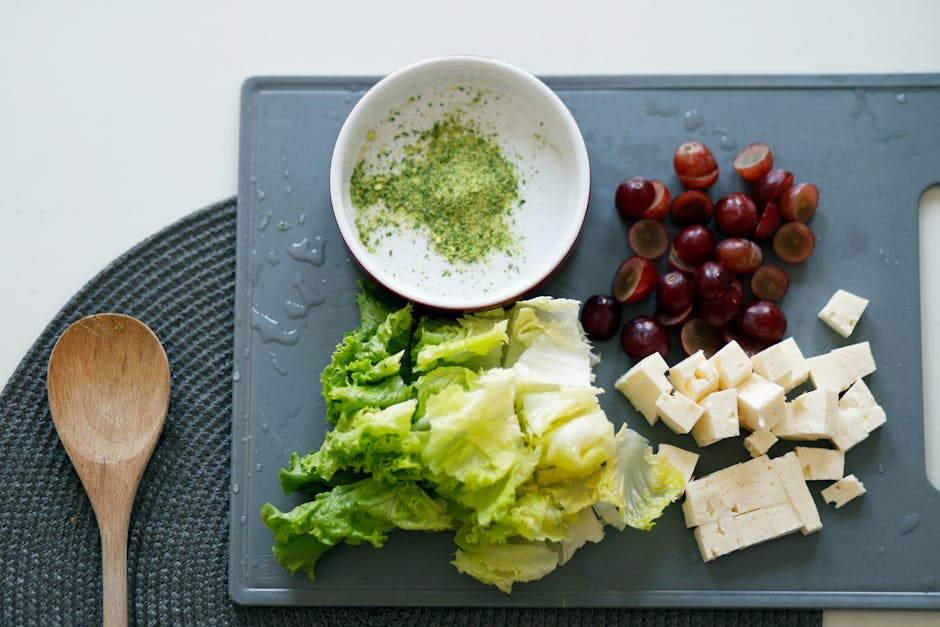
Whether you’re indulging in Pecorino Romano or Romano, optimal pairings can elevate your cheese experience. Pecorino’s boldness pairs exquisitely with robust red wines, dried fruits, and charcuterie, while its rich texture complements the creaminess of nuts and olives. For Romano cheese, consider pairing it with white wines, fresh herbs, or even a light salad for a refreshing contrast. The key lies in balancing flavors; both cheeses have unique personalities that shine brightest when paired thoughtfully.
In conclusion, the distinction between Pecorino Romano and Romano cheese is marked by nuances of production methods, flavor intensity, and regional characteristics. While Pecorino Romano carries a tradition that embodies the rich history of Italy, Romano cheese offers versatility, adapting to contemporary culinary demands. Exploring these cheeses invites a tantalizing journey through the world of flavor, leaving your palate with a deeper appreciation for the artisanal methods behind each bite. So the next time you find yourself choosing between these two delightful cheeses, you can do so with a newfound understanding, embarking on a savory adventure.








Leave a Comment