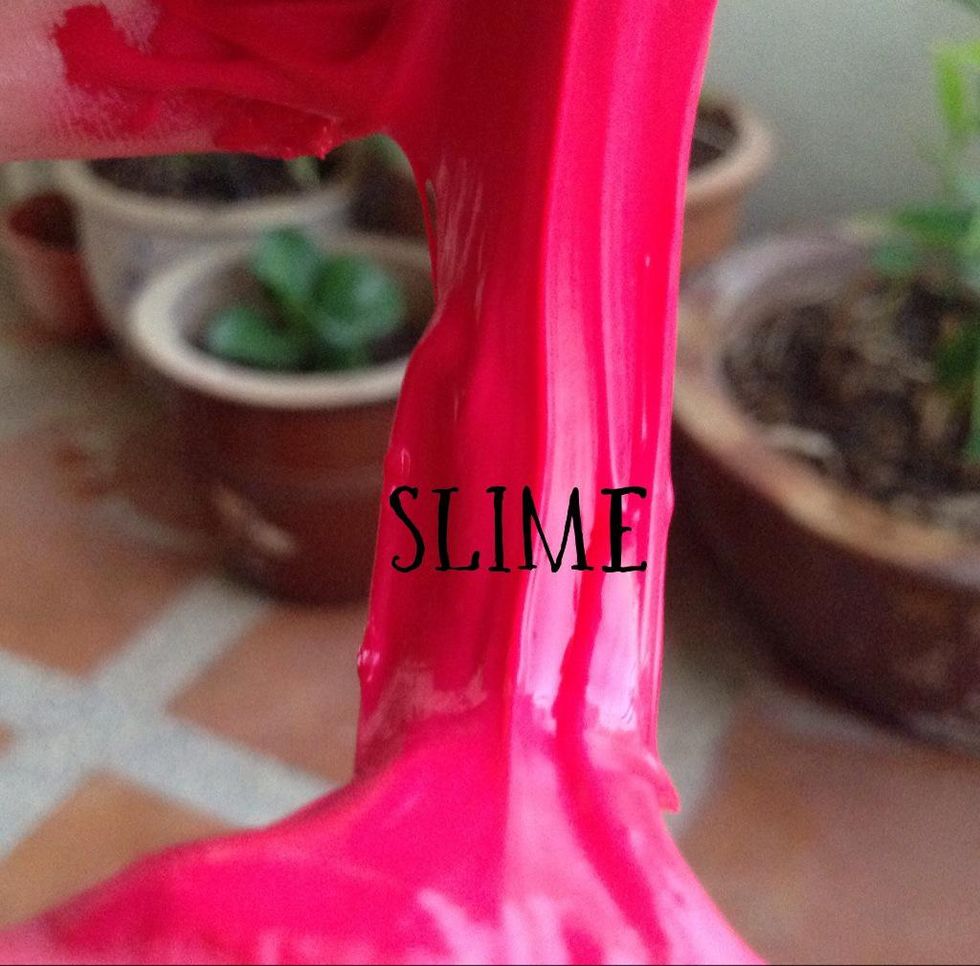
Creating slime can be a delightful and engaging activity, especially when you discover how easily it can be accomplished using everyday ingredients like cornstarch. This guide delves into the methods and variations of crafting slime with cornstarch, allowing enthusiasts of all ages to enjoy the satisfying and therapeutic process. From basic designs to creative twists, let’s explore the ins and outs of making cornstarch slime.
Understanding the Fundamentals of Cornstarch Slime
Cornstarch slime, while simple in its composition, is a fascinating blend of science and artistry. This intriguing substance defies conventional categories due to its unique Oobleck-like properties, behaving as both a solid and a liquid depending on the pressure applied. The basic ingredients required are cornstarch and water, but the magic lies in the ratios and the optional additions that enhance texture and appearance.
Essential Ingredients for Basic Cornstarch Slime
To concoct your own cornstarch slime, gather the following essentials:
- 1 Cup of Cornstarch: This is the primary ingredient that gives the slime its distinctive texture.
- ½ Cup of Water: Serving as the activator, water melds with cornstarch to create that quintessential slime consistency.
- Optional Additives: Here, creativity shines. Consider adding food coloring, glitter, or essential oils for scent.
Step-by-Step Instructions for Crafting Basic Cornstarch Slime
Now that your ingredients are ready, follow these straightforward steps to produce your cornstarch slime:
- Combine Ingredients: In a mixing bowl, pour in 1 cup of cornstarch.
- Add Water Gradually: Slowly introduce ½ cup of water, stirring continuously to eliminate lumps. This gradual integration is crucial for achieving smooth consistency.
- Mix Until Smooth: Keep mixing until the concoction reaches a cohesive texture. It should be pliable yet retain a slightly viscous quality.
- Incorporate Additives (Optional): If desired, enhance your slime with food coloring or glitter. Stir thoroughly to ensure even distribution.
- Test the Consistency: The desired outcome should feel both elastic and malleable. If it’s too sticky, add a smidge more cornstarch.
Variations of Cornstarch Slime
Once the basics have been mastered, it’s time to experiment with variations that bring your cornstarch slime to life:
- Fluffy Cornstarch Slime: Incorporate shaving cream into your basic recipe. This adds a light and airy texture, perfect for tactile enjoyment.
- Colorful Twists: Combine cornstarch with different hues of washable paint instead of food coloring. This creates a rich, bold visual appeal.
- Textured Slime: Mix in small beads or sand to create a textured variety that offers an intriguing sensory experience.
- Scented Slime: Add a few drops of essential oils or scented extracts to infuse your slime with delightful aromas, elevating the sensory engagement.
Tips for Maintaining Your Cornstarch Slime
Proper maintenance is crucial for preserving the quality of your cornstarch slime:
- Storage: Store your slime in a sealed container to prevent it from drying out. This will help retain its elasticity for repeated use.
- Rehydration: If your slime begins to dry, simply reintroduce a small amount of water and knead until it achieves its previous consistency.
- Mess Management: Be mindful when handling slime. A protective surface will contain potential messes, ensuring the fun doesn’t turn into a clean-up chore.
Scientific Exploration: The Chemistry Behind Cornstarch Slime
Understanding the science behind cornstarch slime enhances the experience significantly. Cornstarch is a non-Newtonian fluid, which means it reacts to stress and force in unique ways. When pressure is applied, the starch granules pack tightly together, making the slime appear solid. Conversely, when handled gently, it flows like a liquid. This fascinating interplay of particles presents an opportunity for educational exploration, illustrating basic principles of chemistry and physics.
Fun Activities and Creative Uses for Cornstarch Slime
Cornstarch slime is not merely a tactile sensation; it can foster creativity and fun in various ways:
- Arts and Crafts Projects: Use cornstarch slime as a medium for unique art pieces. Imprint designs and shapes or use it to create textural art.
- Stress Relief: Squeezing, stretching, and manipulating the slime can serve as a therapeutic activity, promoting relaxation and mindfulness.
- Science Demonstrations: Demonstrate the principles of viscosity and non-Newtonian fluids during science lessons or fun educational projects.
Conclusion
Crafting cornstarch slime is a richly rewarding experience, merging creativity with tactile satisfaction. From basic mixtures to inventive variations, the possibilities are boundless. Engage in this delightful activity, revel in the joy of creation, and perhaps even delve into the scientific concepts that underpin it all. Whichever route you choose, making cornstarch slime is sure to provide hours of entertainment and discovery.











Leave a Comment