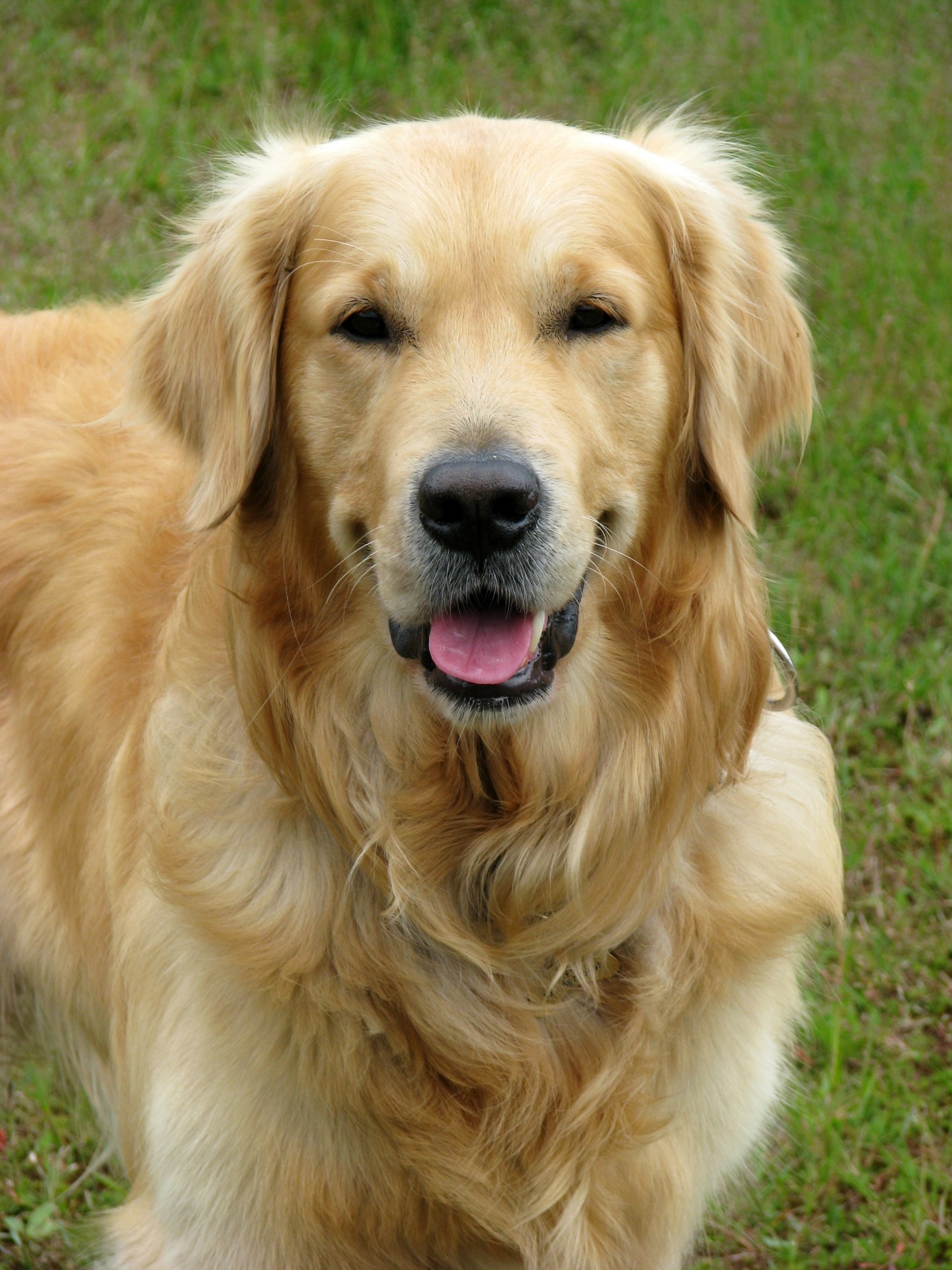
When it comes to our beloved canine companions, we often want to express their unique personalities and quirks. One whimsical method to achieve this is through dog hair colour dye. Have you ever thought about how changing your dog’s fur colour could transform their look and add an element of playful fun? However, with this creative venture comes a host of considerations and potential challenges. Let’s delve into the world of dog hair colour dye and examine everything you need to know before embarking on this colorful journey.
1. The Appeal of Dog Hair Colour Dye
Why do pet owners choose to dye their dogs’ fur? The allure of vibrant hues can stem from various reasons. For some, it’s a means of self-expression, while for others, it may be a unique way to celebrate a special occasion, such as a birthday or holiday. Canine fashion shows have also seen an uptick in the acceptance of dyed fur, as they manifest creativity in ways that leave lasting impressions. This trend reflects not just aesthetic choices, but a lively bond between dog and owner.
2. The Safety Factor
Before even contemplating the idea of dyeing fur, safety should be your foremost priority. Not all dyes are suitable for animal application, as many contain chemicals that can be toxic. Always opt for products that are specifically formulated for pets, ensuring they are safe and free of harsh ingredients. Conduct a patch test on a small area of fur to observe any adverse reactions, as canines can sometimes be highly sensitive to foreign substances.
3. Types of Dog Hair Colour Dye
There exists a spectrum of dyes tailored for dogs, ranging from temporary sprays and chalks to semi-permanent options. Temporary dyes can be a fantastic choice for those hesitant to commit, allowing for vibrant transformations that wash out with just a bath. Conversely, semi-permanent options can offer colour that withstands a few washes, perfect for those looking to express themselves in a more long-lasting way. Research the materials and application processes of each type to determine which aligns with your intentions and your pet’s well-being.
4. The Application Process
Preparation is key to a seamless dyeing process. Choose a well-ventilated area and, if possible, set up a designated space where fur can be dyed without worry of excess mess. Make sure to wear protective gloves and cover the surrounding surfaces. Brush your dog’s fur thoroughly to eliminate knots and tangles, ensuring an even application. When applying the dye, use a brush or squeeze bottle to control the distribution, enhancing precision. Follow the manufacturer’s instructions carefully to obtain the desired results.
5. Understanding Your Dog’s Temperament
Record that every dog has a unique temperament, and how they react to being dyed can vary dramatically. Some may sit patiently while you add splashes of colour, while others could exhibit signs of distress or agitation. It is crucial to acclimate your pet to the process gradually. Begin by introducing them to the dye and the tools involved. Use positive reinforcement—the offer of treats and praise—to create a pleasant experience and bond over this new adventure.
6. Maintaining Dyed Fur
Once the dyeing process is complete, the work does not end. Dyed fur requires special care to maintain its vibrancy and integrity. Bathe your dog with color-safe shampoos and limit washing frequency to protect the dye. Regular brushing will also help preserve the colour while simultaneously keeping their coat healthy and tangle-free.
7. Legal Considerations
Surprisingly, dyeing a dog’s fur is not universally accepted, and regulations may differ based on location. In some areas, there may be stipulations regarding the use of dyes and cosmetic products on animals. Always research local laws and adhere to them. This not only ensures you stay within legal boundaries but also inspires responsible pet ownership.
8. Potential Health Risks
As whimsical as it may seem, dyeing a dog’s fur can carry potential health risks. Along with allergic reactions, improper application techniques could lead to skin irritations or respiratory issues due to inhaled dyes. Monitor your pet closely after the dye job for any signs of discomfort—excessive itching, licking, or distress may indicate an adverse reaction that requires immediate veterinary attention.
9. Grooming Considerations
Consider how dyed fur can influence grooming practices. Some breeds may require more frequent trims or special attention, particularly if the dye affects their natural coat. Additionally, the upkeep of coloured fur could necessitate a change in your grooming routine, so it’s wise to consult with professional groomers to find the best approach for your specific breed.
10. The Final Thoughts
Dog hair colour dye can open avenues for creativity and self-expression, adding a splash of joy to your canine companions’ lives. However, this playful pursuit demands an informed approach, with considerable attention paid to safety, product selection, and health considerations. By embracing the colourful aspects of this adventure while maintaining awareness of your dog’s well-being, you ensure that it remains a joyful and fun-filled experience for both of you. So, are you ready to transform your furry friend into a dazzling masterpiece? The challenge and joy of colouring await!










Leave a Comment