When faced with an unexpected flat tire, the spare tire becomes a driver’s immediate lifeline. Yet, an often overlooked question arises: How long can you safely drive with a spare tire? This seemingly simple inquiry delves into a myriad of factors that speak to the intricacies of tire maintenance, safety concerns, and the importance of understanding the limitations of temporary solutions. This guide will explore the nuances surrounding spare tires, aiming to elucidate essential considerations for every motorist.
Understanding Different Types of Spare Tires
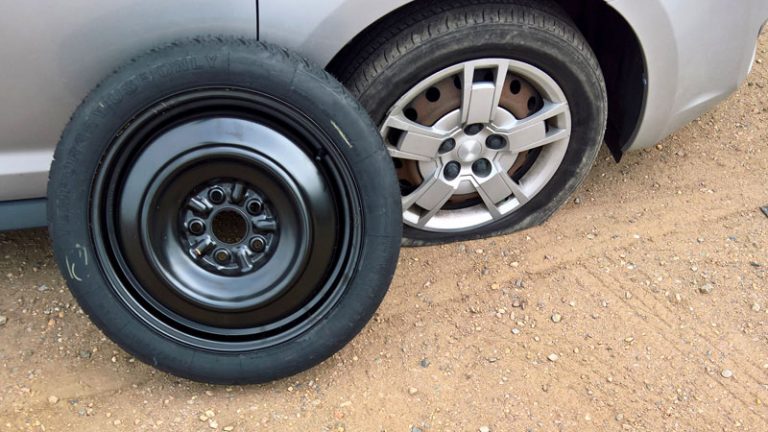
The first step in determining how long you can drive on a spare tire is recognizing that not all spare tires are created equal. Primarily, there are two types of spares: full-size spares and compact (or temporary) spares. Full-size spares are identical to the tires on your vehicle and can be driven just like any regular tire, often for an indefinite period, provided they are in good condition. In contrast, compact spares, commonly referred to as “donuts,” are designed for temporary use and carry distinct limitations.
Limitations of Compact Spare Tires
Temporary spare tires are intended to help you reach a repair shop or a safe location, emphasizing their role as a stopgap measure rather than a long-term solution. These tires typically have a maximum speed rating of 50 miles per hour (80 kilometers per hour) and a general distance limitation of about 70 miles (112 kilometers). This constraint exists due to the reduced tread depth and narrower design, which leads to compromised traction and stability on the road.
Assessing the Condition of Your Spare Tire
Before venturing out on a spare tire, it’s imperative to assess its condition thoroughly. Cracks, bulges, or excessive wear can severely impact its performance. Inspect the tread depth; if it appears significantly worn down, it may not provide adequate grip. Additionally, ensure that the tire is properly inflated, as a low-pressure spare may exceed the already minimal parameters for safe driving.
Driving Behavior and Road Conditions
When considering how long you can drive on a spare, factors such as your driving behavior and the conditions of the roads you’ll encounter play pivotal roles. Aggressive acceleration or sharp cornering with a compact spare can exacerbate its limitations, increasing the risk of tire failure. Moreover, driving on rough or uneven terrains compounds these concerns. It’s best to stick to smooth, well-maintained roads for the duration of your journey on a temporary spare.
The Importance of Quick Repairs
Driving on a spare tire should be viewed as a temporary measure, compelling drivers to prioritize a prompt visit to a tire repair shop. The rationalization behind this urgency stems from an understanding that tire integrity is vital for vehicular safety. Ensuring that a flat is repaired or replaced swiftly not only mitigates the risk of further complications but also promotes a sense of peace of mind for the driver and passengers alike.
Legal Considerations
In some jurisdictions, laws may dictate how long and under what conditions a vehicle can operate with a spare tire. Being cognizant of local regulations is crucial, as non-compliance can lead to fines or complications during an encounter with law enforcement. Investigating regional requirements will safeguard motorists from potential legal pitfalls.
Impacts on Vehicle Systems
Though often overlooked, the implications of driving on a spare tire can extend beyond the tire itself. A mismatch in tire sizes can affect vehicle systems, including brakes and handling. Drivers may experience a difference in steering response or braking efficiency, which could pose a significant safety risk. This further underscores the necessity of treating spare tires as temporary solutions, urging prompt resolution of the underlying flat tire issue.
When to Replace a Spare Tire
Just as with your regular tires, spare tires also have a lifespan. Generally, if a spare tire is more than six years old, it is advisable to consider replacing it, regardless of whether it has been used. Aging tires can deteriorate even without direct use, which might leave drivers vulnerable in critical situations. Regular inspections and replacements as necessary will undoubtedly bolster your safety while on the road.
Conclusion: The Balancing Act of Safety and Convenience
The question of how long you can drive on a spare tire encapsulates a blend of practical knowledge, safety concerns, and driving habits. Understanding the types of spare tires, recognizing their limitations, and prioritizing quick repairs can significantly enhance both your safety and that of your passengers. Embracing responsible behavior during unexpected tire mishaps will ensure that temporary solutions do not translate into long-term complications. Ultimately, while a spare tire serves as a vehicle’s band-aid, it remains crucial to pursue proper maintenance and timely replacements, safeguarding against the unforeseen intricacies of roadways.





Leave a Comment