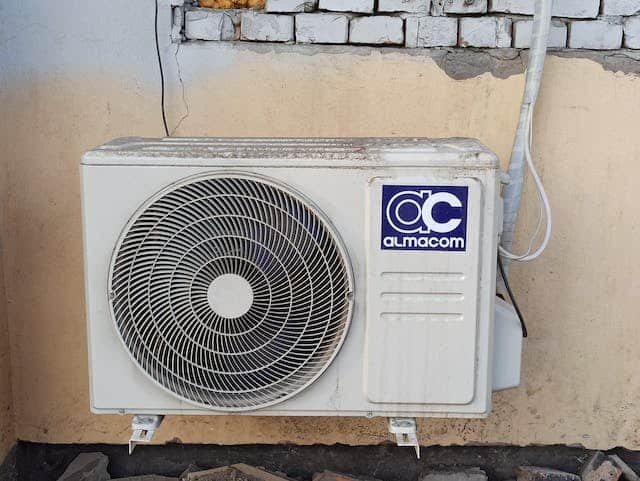
As the scorching heat of summer approaches, many homeowners reach for their air conditioning units to maintain a comfortable indoor environment. However, a common point of confusion arises: does air conditioning actually rely on gas for its operation? A thorough exploration into the workings of air conditioning systems reveals intriguing insights that challenge conventional assumptions about energy consumption and cooling technology. In this detailed examination, we will delve into the mechanics of air conditioning, the types of systems available, and the role of various fuel sources, ultimately promising to shift your perspective on what powers the cool comfort of your home.
The heart of the air conditioning system lies in its refrigeration cycle, a marvel of engineering that cools air through the clever manipulation of thermodynamic principles. This cycle comprises four essential processes: evaporation, compression, condensation, and expansion. The fluid that circulates within this cycle, known as refrigerant, is the key player in heat exchange, absorbing warmth from the air inside your home and releasing it outside. Importantly, this process does not inherently require gas; in fact, many systems operate solely on electricity.
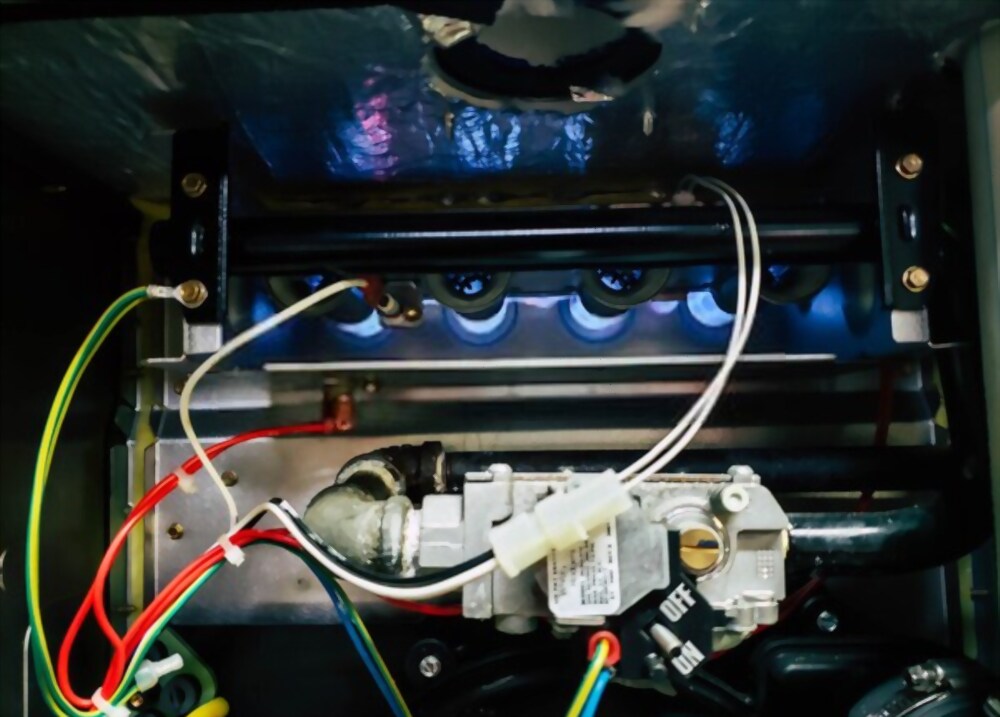
To further unravel the complexities of air conditioning, it is vital to understand the various types of systems available. Central air conditioning units, for instance, are the most prevalent in residences. These systems can be powered entirely by electricity, thus negating the notion that gas is necessary for their cooling function. Conversely, some older systems, particularly those that include gas furnaces, have a dual capability. In such setups, while the furnace uses natural gas to heat the air in winter, the air conditioning component typically employs electricity during the summer months for cooling.
Additionally, there are also gas-powered air conditioning units, albeit they are less common. These units utilize gas as their primary energy source, which can provide a more economical operational cost in regions where natural gas is cheaper than electricity. Even then, these systems harness the principles of the refrigeration cycle similarly to their electric counterparts. Therefore, the use of gas in air conditioning is often situational rather than universal, dependent on the design of the system and the local cost of fuel sources.
As energy costs continue to rise and environmental concerns take center stage, the shift toward more efficient and sustainable cooling systems has gained momentum. Electric heat pumps, which serve as both heating and cooling solutions, have gained popularity for their efficiency. These devices transfer heat rather than generate it, consuming considerably less energy compared to traditional heating and cooling methods. While most heat pumps are electric, some are compatible with gas, allowing for versatile energy utilization. The growing emphasis on sustainability primes homeowners to consider the energy source of their cooling systems as a crucial component of their overall environmental impact.
While analyzing the mechanics of air conditioning, it’s essential to consider the operational cost and its implications on homeowners. Depending on geographical location, the cost of electricity can significantly contrast with that of natural gas. In regions where electricity is exorbitantly priced, gas-powered air conditioners may offer a financially viable alternative. However, it is essential to factor in the efficiency ratings of the systems involved. Modern electric units are designed to maximize energy conservation, potentially leading to reduced monthly expenses despite initial higher acquisition costs.
Moreover, the realm of air conditioning extends beyond traditional residential options. Emerging technologies and energy-efficient systems, like solar-powered air conditioning, have begun to proliferate. These innovative systems harness renewable energy to power cooling activities, significantly reducing dependency on fossil fuels, including natural gas. As society moves toward greener solutions, the landscape of air conditioning may invariably evolve, substantially shifting the notion of how cooling systems derive their energy.
A deeper understanding of air conditioning systems invites homeowners to rethink their options. With the array of possible configurations, it becomes clear that while some systems may utilize gas, an alarming number rely solely on electricity. Awareness of the implications of energy choice can influence consumer decisions and encourages a conscious approach to energy consumption.
In addition to environmental concerns, the dichotomy between gas and electricity presents a spectrum of choices related to convenience, reliability, and performance. Local conditions, including climate, energy availability, and even local utility regulations, can significantly affect the efficacy and appeal of gas versus electric air conditioning systems. Ultimately, this invites homeowners to engage with their energy choices intelligently.
In conclusion, the question of whether air conditioning uses gas is layered and nuanced, depending largely on geographic location, technological advancements, and evolving energy standards. Many modern systems are electric, negating the need for gas entirely, while others may seek to pair both gas and electric options for efficiency. As innovations in energy efficiency continue to flourish, exploring alternatives such as solar-powered solutions could redefine the energy landscape, providing a sustainable future. A curious mind pondering these complexities may ultimately discover new avenues for comfort and cost savings, vastly expanding the understanding of home cooling solutions.








Leave a Comment