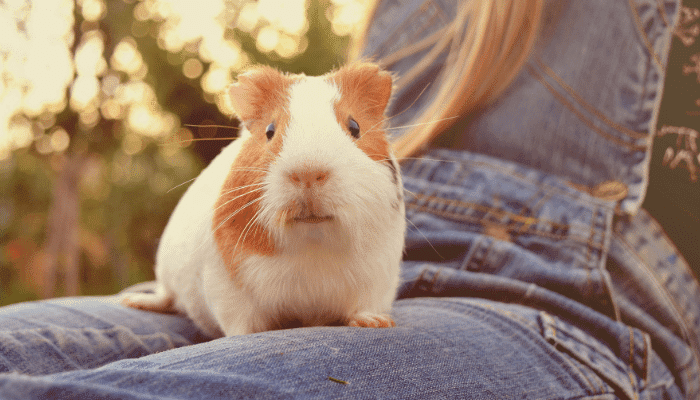
Guinea pigs, often celebrated for their charming antics and social personalities, can be subject to a common misconception: that they inherently produce an unpleasant odor. This notion is fueled by numerous anecdotes and a general misunderstanding of their hygiene needs. However, examining the factors that contribute to any potential odor gives a deeper understanding of caring for these delightful creatures. This exploration will not only address the question at hand—”Do guinea pigs stink?”—but will also provide insights into their care requirements, living environment, and even their dietary preferences, which all play a significant role in the overall scent of a guinea pig’s habitat.
The Nature of Guinea Pig Odor: Contrary to popular belief, guinea pigs themselves do not emit any significant odor when maintained in appropriate conditions. Like any domesticated animal, they can produce smells, but it is essential to recognize that these odors often arise from environmental factors or improper care rather than the animals themselves. Consequently, understanding these contributing factors can illuminate the noxious misconceptions surrounding guinea pig hygiene.
1. The Living Environment: The environment in which guinea pigs reside significantly influences their odor. Cleanliness is paramount; a dirty cage quickly becomes a source of unpleasant odors. Guinea pigs are prone to urinary incontinence, particularly males, which can lead to a buildup of ammonia from urinated bedding. Regularly cleaning their enclosure, adhering to a consistent schedule, is essential. This might involve removing soiled bedding, wiping down surfaces, and replacing the bedding with fresh material to ensure a clean air quality for both the guinea pigs and their human companions.
2. Bedding Choices: The selection of bedding material can also impact the olfactory footprint of a guinea pig’s habitat. Certain bedding types, such as pine and cedar shavings, can release aromatic oils that may irritate sensitive respiratory tracts, while also contributing unpleasant scents as they break down. Opting for absorbent materials like paper-based bedding or aspen shavings can mitigate these odoriferous issues. Not only do these options help absorb moisture better, but they also promote a fresher living space for the guinea pigs.
3. Diet and Its Effects: The dietary habits of guinea pigs play a crucial role in their overall health and can affect the odor emanating from their droppings and urine. A high-fiber diet consisting of hay, fresh vegetables, and specially formulated pellets is vital for digestive health. However, certain foods, particularly those rich in protein or high in calcium, can lead to stronger-smelling urine. Careful dietary planning, balanced and rich in the right nutrients, can minimize any unwelcome odors and promote overall well-being.
4. Grooming Needs: While guinea pigs are relatively good at self-grooming, they may occasionally require assistance. Their coat can trap dirt, urine, and dander, leading to possible odor issues. Regular grooming, including brushing their fur to remove loose hair and debris, contributes to a cleaner environment. Furthermore, baths should be infrequent and performed with proper guinea pig-safe shampoos to prevent skin irritation, which could lead to malodorous conditions.
5. Health Considerations: Any significant change in odor can also signal underlying health problems. For instance, infections, dental issues, or urinary tract infections can generate strong, unpleasant smells. As vigilant guardians, it is vital to monitor guinea pigs closely for changes in their scent, behavior, or appetite. If such changes occur, consulting a veterinary professional is paramount to ensure that your furry friend receives the necessary medical intervention.
6. Companionship Dynamics: Guinea pigs are social creatures and thrive in pairs or small groups. However, the dynamics of their companionship can influence their overall cleanliness. When housed together, they will often engage in social grooming, which can help mitigate some odor-related issues. Yet, introducing new companions or separating existing groups can lead to stress, influencing litter habits and, consequently, odors produced. Understanding their social structure and ensuring they have compatible companions can help maintain a more pleasant atmosphere.
Pivotal Takeaway: The notion that guinea pigs inherently stink is rooted in misconceptions about their care. With proper attention to their living conditions, diet, grooming, and health, any scent associated with these delightful pets can be minimized and maintained at tolerable levels. Instead of viewing odor as a natural aspect of guinea pig ownership, approach the responsibility of caring for them with diligence, ensuring that their environment remains clean and their health, paramount.
Conclusion: A shift in perspective can reveal that guinea pigs, in fact, do not stink when they are given the care they deserve. It requires a thoughtful approach to their environment, diet, and overall health to create a harmonious living situation for these charming companions. By embracing a holistic view of guinea pig care, owners can foster joyful interactions and pleasant surroundings, ultimately enhancing the experience of having guinea pigs as beloved pets. Such an understanding not only enhances the human-animal bond but ensures a healthier and happier life for both guinea pigs and their human caretakers.









Leave a Comment