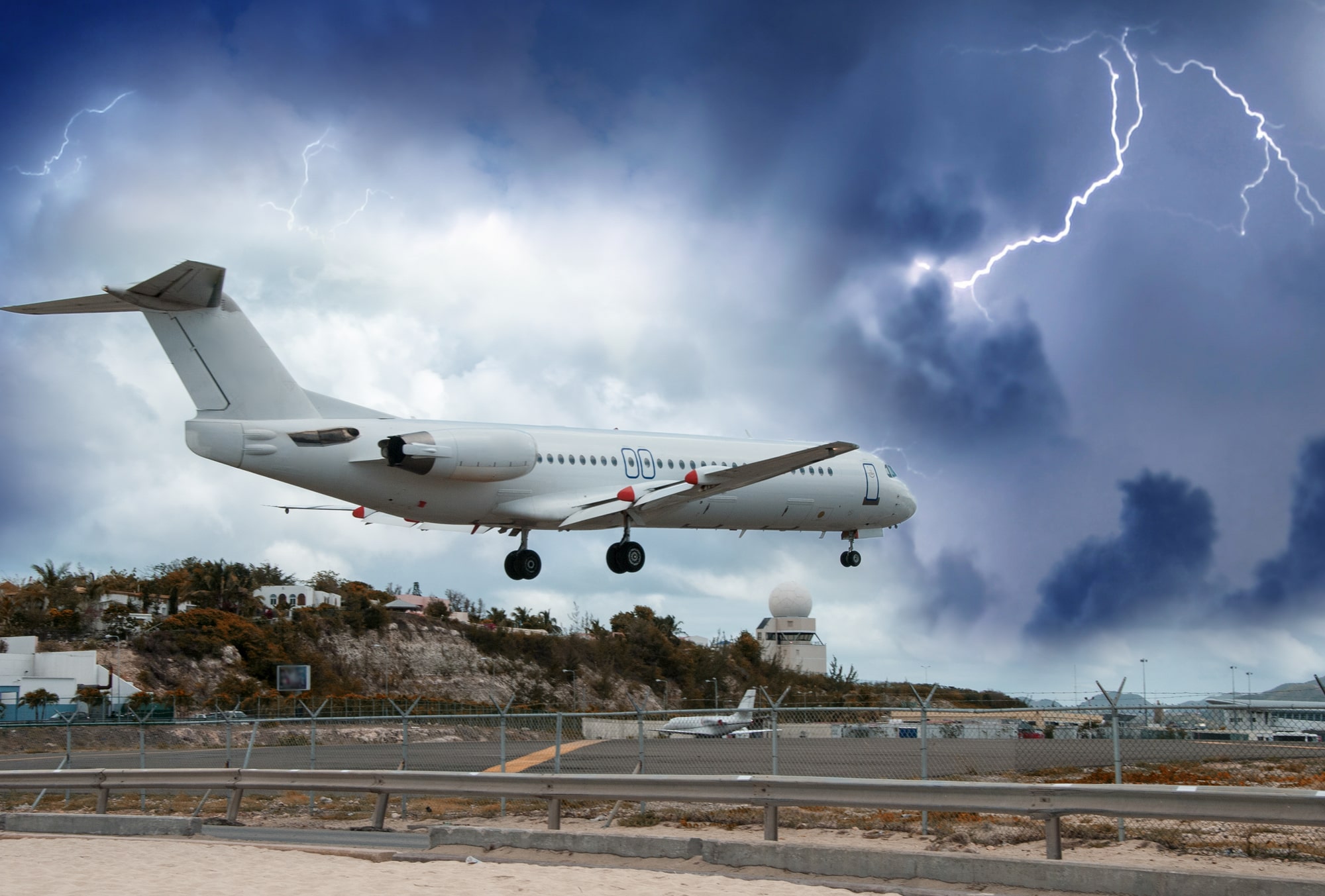
Thunderstorms possess an innate beauty and ferocity that simultaneously fascinate and terrify. The jagged forks of lightning illuminating the darkened sky and the booming claps echoing across the horizon evoke awe. However, amid such turmoil, a vital question arises: can planes fly in thunderstorms? This inquiry not only reflects a common fascination with aviation but also delves into the intricate interplay between meteorological phenomena and flight safety. As we explore this subject, we will unravel the complexities surrounding air travel in stormy weather.
Understanding Thunderstorms
To comprehend the challenges that thunderstorms present to aviation, we must first understand the anatomy of these formidable weather systems. Thunderstorms are intense localized disturbances characterized by towering cumulonimbus clouds, heavy precipitation, and electrical discharges. They can produce strong updrafts and downdrafts, creating a tumultuous environment for any aircraft. The typical lifecycle of a thunderstorm consists of three primary stages: the cumulus stage, the mature stage, and the dissipating stage, each presenting distinct challenges for flight.
The cumulus stage marks the early development of the storm, where warm moist air rises, forming a cloud. As the storm matures, it reaches its peak intensity, resulting in severe turbulence, heavy rain, and the potential for hail. This is the stage where flying becomes particularly perilous, as aircraft encounter extreme wind shear, rapid changes in wind direction and speed with altitude. Finally, in the dissipating stage, the storm begins to decline in intensity, though residual turbulence and moisture can linger.
Flight Operations and Safety Protocols
Despite the inherent dangers, aircraft are designed with robust safety systems that enable them to navigate turbulent conditions. Commercial airlines typically implement strict protocols concerning thunderstorms. The Federal Aviation Administration (FAA) and international aviation bodies establish guidelines that prioritize passenger safety above all. Pilots receive extensive training to handle adverse weather, including thunderstorm conditions. During pre-flight planning, routes are optimized to avoid these storms whenever possible.
Air traffic control plays a crucial role in monitoring weather patterns and guiding planes safely around thunderstorms. Advanced radar technology can detect storm systems, allowing pilots to alter their flight paths accordingly. When thunderstorms are reported in the vicinity, air traffic controllers often divert incoming flights to alternative routes, ensuring that the aircraft remain at a safe distance from the thunderstorm.
Moreover, modern commercial aircraft are equipped with lightning protection systems designed to shield them from the effects of lightning strikes. Although it is true that planes can endure direct strikes, the design ensures that passengers remain safe and unaffected by lightning activity. This resilience is a testament to the meticulous engineering behind aviation technology, which continually evolves in response to meteorological challenges.
The Role of Pilots
While automated systems and air traffic controls are instrumental, pilots remain the frontline warriors against the hazards of thunderstorms. Skilled aviators undergo rigorous scenarios in simulators, replicating storm interactions to hone their decision-making capabilities. They learn to recognize the visual cues associated with severe weather, drawing from a wealth of experience and knowledge to make real-time decisions.
In instances where thunderstorms are unavoidable, pilots must evaluate multiple factors before proceeding. They consider wind shear potential, flight altitude, and the likelihood of turbulence. Communication with meteorological experts allows pilots to adjust flight parameters, enhancing safety and mitigating risk. Ultimately, the collaborative efforts between pilots, air traffic control, and weather monitoring services create a tapestry of safety that minimizes the dangers of flying through thunderstorms.
Common Misconceptions
One of the prevalent misconceptions is that flying through a thunderstorm is akin to traversing a turbulent road. In reality, pilots seldom choose to fly directly through thunderstorms. Instead, they prioritize rerouting their paths or flying at altitudes that mitigate turbulence. Despite some aircraft being capable of flying in light thunderstorms, the consensus is clear: it is more prudent to avoid unfavorable weather conditions altogether.
Another common belief is that the presence of lightning poses an immediate threat to passengers. However, commercial aircraft are designed with redundancy and fortified systems capable of withstanding lightning strikes without compromising passenger safety. This misconception often stems from a lack of understanding of aviation engineering and the advancements made to ensure the integrity of aircraft in challenging weather.
The Fascination of Flight
This inquiry into the ability of planes to fly during thunderstorms highlights a deeper fascination with the dynamics of flight itself. The juxtaposition of human ingenuity against the unpredictable forces of nature evokes a sense of reverence for both. We marvel at aircraft soaring through tempestuous skies, driven by the skill of pilots and the resilience of engineering. The intersection of technology, nature, and human ambition captures our imagination and underscores the ongoing quest for safe air travel.
Conclusion
In conclusion, while thunderstorms present significant challenges to aviation, modern technology, meticulous protocols, and seasoned pilots equip the industry to navigate these turbulent encounters safely. By understanding a thunderstorm’s complex structure and recognizing the extensive measures in place to safeguard air travel, we can appreciate the remarkable agility and determination of aircraft, even in the face of nature’s fury. The ability to fly in thunderstorms is not merely a measure of mechanical capability but a testament to the collaborative efforts of countless professionals dedicated to redefining the skies. In this delicate dance between man-made machines and the elements, we find a persistent allure, ensuring that our fascination with flight endures.











Leave a Comment