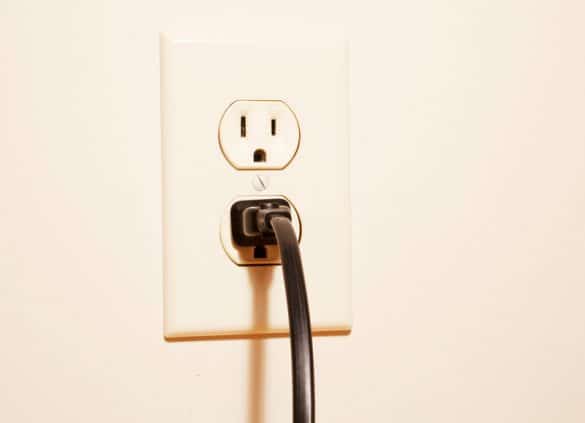
Power outlets are a ubiquitous aspect of modern living, yet when they suddenly cease to function, the consequences can be both frustrating and perplexing. Those unassuming wall sockets, which we often take for granted, can transform into sources of anxiety when our devices refuse to charge or our appliances fail to operate. The occurrence of a malfunctioning power outlet is not only an inconvenience; it is a moment that invites exploration into the underlying complexities of our electrical systems. In this article, we will meticulously dissect this common observation, illuminating both the overt symptoms and the deeper issues that may lurk beneath the surface.
Identifying the Symptoms of a Malfunctioning Power Outlet
Understanding that a power outlet is not working can initially be ascertained through a few discernible signs. Firstly, the most immediate signal is the lack of power supply to a device. Whether it’s a smartphone, a lamp, or a kitchen appliance, a dead outlet fails to energize these daily essentials, leading to frustration.
Another common symptom includes the presence of visible damage. Cracks in the outlet casing, scorch marks, or a loosened faceplate might indicate deeper electrical issues. Additionally, unusual odors—specifically a burning scent—should never be ignored, as they can signify larger electrical hazards. Finally, if the outlet emits a buzzing sound, it could suggest a loose connection or failing wiring, which are both serious concerns.
Common Causes of Outlet Malfunctions
When the façade of the power outlet doesn’t convey the whole story, it’s crucial to delve into some of the typical causes behind its malfunction. One of the most frequent culprits is a tripped circuit breaker. This safety feature is designed to interrupt electrical flow when a current overload occurs, preventing potential fires. Often, resetting the breaker can restore function to the outlet.
Another common issue might stem from a blown fuse. In homes with older electrical systems or in specific circuits, a blown fuse may impact one or more outlets, necessitating replacement for a resolution.
Next on the list is faulty wiring. Poorly connected or damaged wires can lead to an inconsistent power supply, often causing intermittent functionality. Over time, the insulation on wiring may degrade, leading to short circuits. This scenario warrants immediate attention, as it poses a significant fire risk.
Poor installation practices can also take center stage in the decline of power outlet effectiveness. Outlets that are improperly installed may not connect appropriately to the electrical wiring, ultimately leading to connectivity problems. Regular inspections by a qualified electrician can help mitigate such issues.
Beyond the Surface: Investigating Deeper Consequences
Delving deeper into the mystery of a non-functional outlet invites consideration of how this keystone component affects our broader electrical network. The interconnectedness of our home’s wiring system influences not only convenience but also safety. A malfunctioning outlet can undermine other outlets or appliances on the same circuit, creating cascading failures that involve more than just one seemingly innocuous socket.
Moreover, understanding the age of your home’s electrical system is vital. Homes built several decades ago may not accommodate the electrical demands of today’s technology. Over time, as devices proliferate and consumer electronics become increasingly power-hungry, the inadequacies of an aging circuit may become pronounced, resulting in familiar disruptions.
The issue of grounding also merits attention. Inadequately grounded outlets can lead to electrical surges, thereby damaging sensitive equipment and creating hazardous scenarios. This grounding lays the foundation for a safe electrical environment, and neglecting it can lead to grievous consequences.
Emergency Procedures and Troubleshooting
When faced with a non-functioning power outlet, it’s prudent to follow a structured approach to troubleshooting. Begin by inspecting other outlets and devices to determine the extent of the problem. If only one outlet is affected, investigate on-site issues first, such as checking for visible damage or ensuring that the circuit breaker has not tripped. If multiple outlets are inoperative, attention should shift to the circuit breaker or fuse box.
For those comfortable with hands-on repairs, consider turning off power from the main breaker and carefully removing the outlet cover. Look for loose wires or signs of wear. If there’s any uncertainty, or if repairs involve significant work or visible damage, consult an electrician to avert personal risk and ensure code compliance.
Preventive Measures for Future Issues
Prevention plays a key role in maintaining outlet functionality and safeguarding against future failures. Regular inspections of electrical systems can help catch problems before they escalate. Additionally, using surge protectors for sensitive electronics provides an extra layer of defense against power surges. Properly managing the load on circuits can also mitigate the risk of overloading and tripping breakers.
Moreover, keeping outlets and surrounding areas clear of debris will aid in maintaining optimal functionality. With children in a household, utilizing outlet covers can protect them from potential shocks and maintain the integrity of the outlet’s components.
Conclusion
In summary, a malfunctioning power outlet serves as a reminder of the intricate balance required to maintain an efficient electrical system. By identifying symptoms, understanding potential causes, and adhering to preventive practices, homeowners can navigate the complexities of their electrical networks with confidence. Such enlightenment not only enhances safety but also fosters a greater appreciation for the silent workhorses that power our daily lives. The next time an outlet refuses to cooperate, you’ll be better equipped to confront the challenge, unraveling the fascinating tapestry of our electrical infrastructure.










Leave a Comment