The guitar, a vessel of expression, allows musicians to traverse a vast emotional landscape—each chord a gateway beckoning exploration. Among these melodic portals lies the F Sharp Minor chord, a sonorous gem emanating an intriguing blend of melancholy and resilience. This chord, often overlooked, possesses a unique allure that resonates deeply within the soul of the player and listener alike. The journey to mastering this chord not only enhances technical skill but also cultivates an understanding of its profound impact on musical narratives.
To embark on this sonic expedition, one must first grasp the foundational structure of the F Sharp Minor chord. This chord is constructed using three primary notes: F♯ (the root), A (the minor third), and C♯ (the perfect fifth). Picture this trio as a harmonious ensemble that collaborates to evoke a particular mood—F♯ serving as the strong anchor while A and C♯ color the soundscape with ethereal whispers. As one sheds light on their individual roles, it becomes apparent how they synergistically weave together a compelling tapestry of auditory delight.
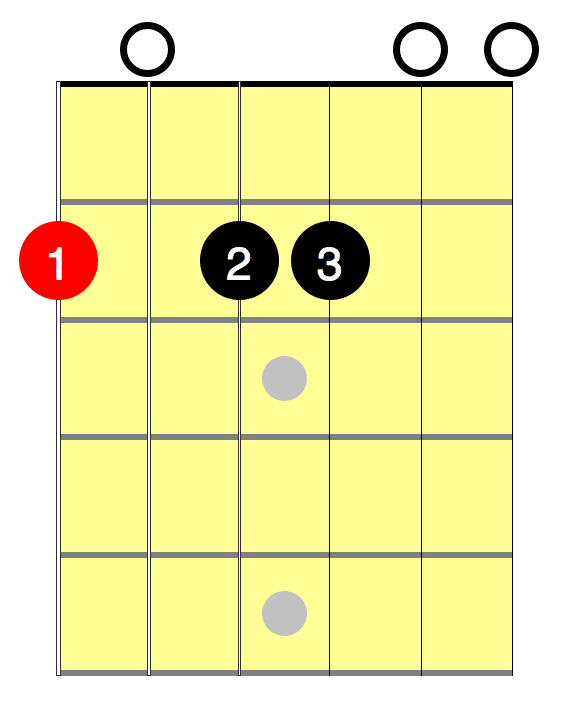
In the realm of finger placement, crafting the F Sharp Minor chord can initially appear daunting; akin to untangling a web of intricacies. However, once its patterns are understood, the journey transforms into an exhilarating adventure. Position the first finger across the second fret to create a barre over the entirety of the strings; this is the bridge that connects the F Sharp Minor to the chords that precede and succeed it. The second finger joins in, curving its way to the A note on the second fret of the G string, while the third and fourth fingers reach boldly to the C♯ on the fourth fret of the D and B strings, respectively. With each finger, like skilled performers, placing itself within the ensemble, a resonant chord is born—bringing forth cacophony to clarity.
The F Sharp Minor chord is steeped in richness both musically and emotionally. It is, in many ways, the embodiment of nostalgia—a wistful reminder of days gone by, yet also a herald of hopeful tomorrows. Tunes featuring this chord often exude an undertone of bittersweet reflection, creating a beguiling contrast that captivates the listener’s heart. It finds home in genres ranging from rock to jazz, adapting its timbre seamlessly to fit myriad styles. Its versatility amplifies its appeal, allowing it to resonate within varying contexts—whether it be a poignant ballad or a spirited groove, the F Sharp Minor chord knows no bounds.
Diving deeper into the thematic elements, one uncovers the inherent tension nestled within the F Sharp Minor chord. This tension, akin to a drawn bow before releasing an arrow, evokes anticipation. It stirs emotions, drawing listeners into an emotional vortex. The chord often serves as a pivot point, leading into more resolved harmonies, creating a dynamic interplay of dissonance and consonance. Composers frequently utilize this tension strategically, as it propels the narrative forward—conveying feelings of anxiety, yearning, or introspection before resolution is reached. Such depth makes the F Sharp Minor chord not merely a note on a fretboard, but a pivotal character within the larger musical story.
Practicing the F Sharp Minor chord also cultivates a sense of perseverance; each attempt to mold the fingers into the correct positions can be likened to sculpting clay. With time and dedicated practice, a smooth transition emerges—one that opens new pathways to creativity. The tactile experience of pressing down the strings, combined with the audible reward of the chord ringing out, fosters a connection between mind and body, transforming mere practice into an immersive exploration of artistry. Novice and seasoned guitarists alike can benefit from honing this skill, as it serves as a stepping stone toward mastering other intricate chords and musical techniques.
The F Sharp Minor chord can also inspire creativity beyond its immediate use. Guitarists may find themselves delving into improvisational solos, as the chord revels in a desirable duality—dark yet hopeful, dissonant yet harmonious. It acts as a catalyst for lyricism, inviting songwriters to pour their emotions into melodies that resonate with genuine authenticity. Many renowned ballads owe their power to the emotive qualities of the F Sharp Minor chord; indeed, it serves as a testament to the notion that beauty often burgeons from complexity.
As we approach the conclusion of this exploration, one must reflect upon the F Sharp Minor chord’s role within the grand orchestra of life. Every chord played on the guitar, every note strummed, unveils narratives laden with passion and vulnerability. The F Sharp Minor chord, with its rich tonal palette, becomes an instrument for storytelling—a voice that conveys joy, sorrow, and everything in between. It embodies the deep connection shared between the musician and their audience, creating an unspoken bond through shared emotional experience.
In summation, the F Sharp Minor chord stands as a potent reminder of the complexities of sound and emotion woven into the fabric of music. Its allure lies not only in its structure and application but also in the stories it tells. As you immerse yourself in its depths, may you continue to unravel the mysteries housed within, transforming not only your playing but ultimately, your understanding of music as an ever-evolving tapestry of emotions, experiences, and connections.









Leave a Comment