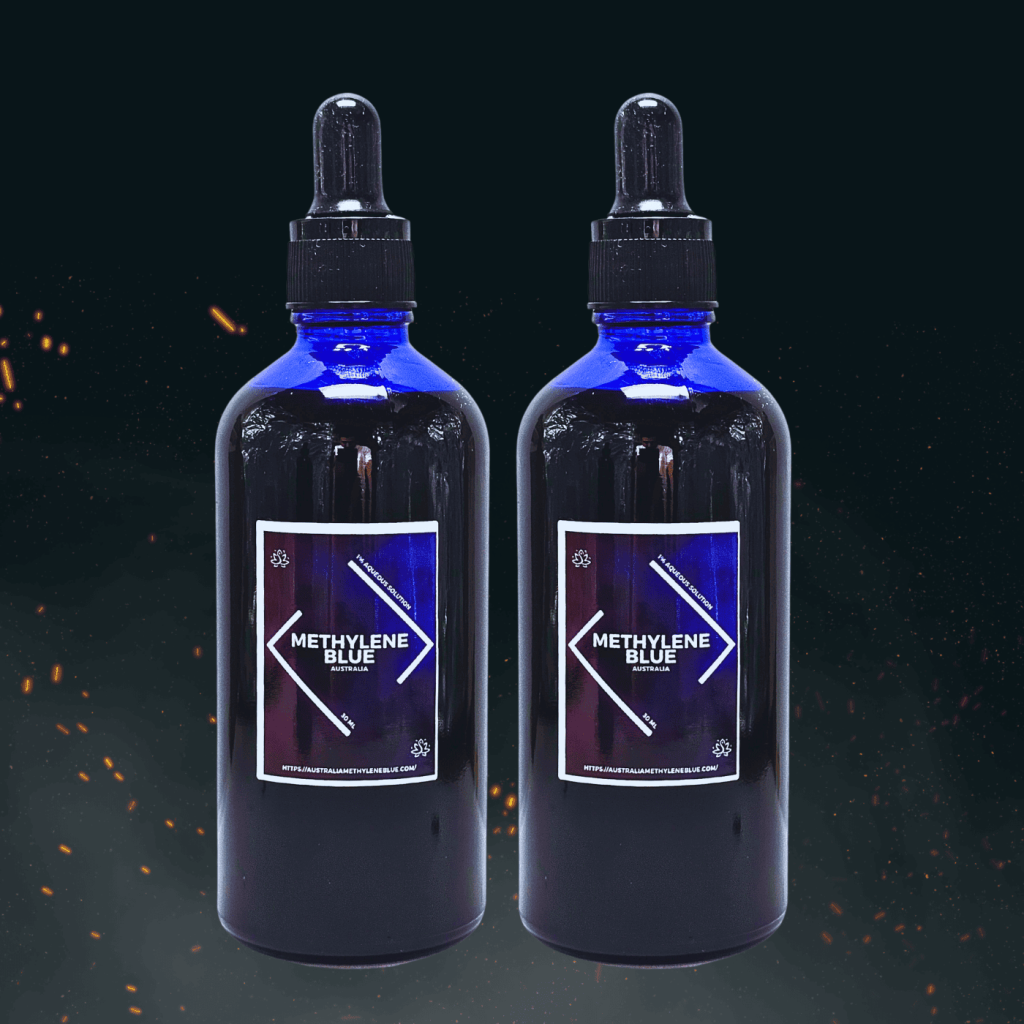
Methylene blue, a vibrant blue compound, has garnered significant attention in aquaculture and home aquariums alike for its multifaceted applications. Its storied history, coupled with promising results in treating various fish ailments, allows aquarists to explore the myriad benefits this chemical offers. Below, we delve into the various aspects of methylene blue, including its uses, benefits, dosage guidelines, and much more.
I. Understanding Methylene Blue
Methylene blue is a synthetic dye that has found applications not only in laboratories but also in the aquatic world. Historically, it was utilized as a biological stain, but its anti-parasitic and antifungal properties have made it popular among fish keepers. The chemical structure, comprising a thiazine dye, equips it with oxidative properties that can combat infections in fish.
II. Uses of Methylene Blue in Aquaculture
1. Treatment of Fish Diseases
Methylene blue is particularly effective against certain parasites and fungal infections. It is commonly employed to treat ich (Ichthyophthirius multifiliis), a common parasitic disease characterized by white cysts on a fish’s body and gills. Furthermore, it assists in combatting external parasites, such as trichodina and ciliates.
2. Prevention of Fungal Infections
Newly hatched fish and eggs are especially vulnerable to fungal infections, making methylene blue a stellar choice for prophylactic treatment. When applied, it creates an environment that is inhospitable to fungal spores.
3. Stress Reduction
This remarkable compound not only prevents diseases but also reduces the stress levels in fish. By stabilizing the redox potential in water, methylene blue facilitates a healthier aquatic environment conducive to fish well-being.
III. Advantages of Using Methylene Blue
1. Fast-Acting Properties
One of the most appealing characteristics of methylene blue is its quick action. Aquarists can often see a reduction in disease symptoms shortly after application, providing peace of mind.
2. Cost-Effectiveness
Compared to other medications, methylene blue is relatively inexpensive, enabling fish enthusiasts to manage large aquariums without incurring exorbitant costs.
3. Versatility
Its broad spectrum of effectiveness extends across many fish species, including freshwater, saltwater, and even those in brackish environments, thereby making it a versatile option in aquarist’s toolkit.
IV. Dosage Guidelines
Administering methylene blue requires precision to maximize efficacy while minimizing potential toxicity. Here are core guidelines to follow:
1. Initial Dosage
A safe starting point is to use a concentration of 1-2 mg per liter of water. For treatment of ich, a higher concentration may be warranted, but care should be taken to monitor fish for adverse reactions.
2. Repeated Treatments
Methylene blue broadly affects the gills of fish; consider re-dosing every three to four days. However, observe the fish for signs of stress, which may require dosage adjustments.
3. Aquarium Conditions
Ensure proper water conditions, including pH and temperature, as these factors can influence the effectiveness of the treatment and fish health. Conduct water changes before and after treatment to promote overall water quality.
V. Safety Considerations
1. Aquatic Life Compatibility
While methylene blue is widely used, it is not universally safe for all aquatic life. Invertebrates, particularly shrimp and snails, may suffer adverse effects; hence, caution is advised if maintaining a community tank.
2. Oxygen Levels
Methylene blue can reduce oxygen levels in the water, especially in less aerated environments. This necessitates adequate aeration during treatments to ensure fish do not experience hypoxia.
3. Chemical Interactions
Avoid using methylene blue concurrently with other medications unless deemed safe by a knowledgeable aquatic veterinarian. Some interactions can reduce the efficacy of treatments.
VI. Alternatives and Complementary Treatments
1. Alternatives
While methylene blue is effective, there are alternatives such as potassium permanganate and formalin. Each option has its own pros and cons, which should be evaluated based on specific circumstances and fish species involved.
2. Complementary Treatments
Combating fish diseases often requires a multi-faceted approach. Incorporating healthy tank maintenance, gradual acclimatization, and nutritional considerations can complement the effects of methylene blue.
VII. Conclusion
Methylene blue serves as a dynamic agent in the realm of fish care, providing aquarists with a reliable tool for managing infections and diseases. Understanding its uses, advantages, dosage, and safety considerations enables fish keepers to harness the full potential of this compound. While it is not without its limitations, the proper application of methylene blue can lead to healthier, thriving aquatic environments. Striking a balance between chemical treatments and natural care practices will ensure that your aquatic friends live vibrant, joyous lives.










Leave a Comment