In an era where sustainability has become paramount, have you ever pondered how the materials we choose for our interiors and furnishings affect the environment? Among the myriad of options available, eco-friendly wood veneer emerges as a compelling choice. Not only does it promise aesthetic elegance, but it also presents an opportunity to tread lightly on our planet. Yet, how does one navigate the plethora of options without losing sight of their environmental commitment? This article will delve into the intricate world of eco-friendly wood veneer, exploring its benefits, types, sourcing practices, and applications while also shedding light on potential challenges and considerations.
What is Eco-Friendly Wood Veneer?
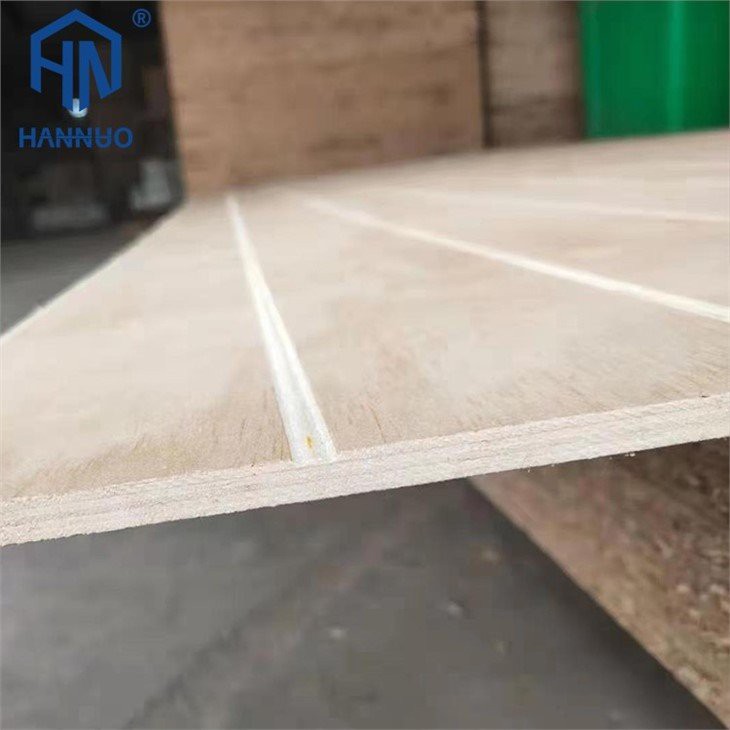
At its core, eco-friendly wood veneer is a thin layer of wood that has been harvested from sustainably managed forests or sourced from recycled wood products. Unlike traditional plywood, which can be laden with harmful chemicals and excessive processing, eco-friendly veneers utilize low-impact adhesives and finishing processes that minimize their ecological footprint. This makes them an increasingly popular choice for environmentally conscious consumers who desire both beauty and sustainability.
The Significant Benefits of Eco-Friendly Wood Veneer
- Sustainability: One of the most prominent advantages is its sustainable nature. When produced responsibly, wood veneer minimizes deforestation and promotes forest regeneration. This means that selecting eco-friendly options contributes to the preservation of our precious ecosystems.
- Resource Efficiency: Veneers utilize less wood when compared to solid lumber products. A small amount of high-quality timber can cover a larger surface area, allowing for both aesthetic appeal and resource conservation.
- Versatility and Aesthetics: The natural beauty of wood is unparalleled, and veneers offer endless design possibilities. They come in an array of species, colors, and finishes, making them suitable for various decor styles—from rustic cabins to modern minimalist homes.
- Weight Reduction: Compared to solid wood, veneers are significantly lighter. This characteristic eases transportation and installation, reducing energy consumption associated with moving heavy materials.
- Improved Indoor Air Quality: By opting for low-VOC finishes and adhesives, eco-friendly wood veneers can contribute to better indoor air quality. This improves your living space while benefiting the environment.
Types of Eco-Friendly Wood Veneer
When exploring eco-friendly wood veneer, it’s essential to understand that not all veneers are created equal. Here are some noteworthy types:
- Natural Veneer: Made from a single layer of real wood, natural veneers showcase the unique grain patterns and colors of the source species.
- Reclaimed Veneer: This type is crafted from salvaged wood, giving new life to old timber while preventing further deforestation. A unique narrative often comes with reclaimed wood, adding aesthetics and depth to its application.
- Engineered Veneer: Engineered options combine layers of different woods, often utilizing sustainable species. They are designed to be more durable and stable, making them ideal for contemporary applications.
Sourcing Practices and Certifications
Choosing eco-friendly wood veneer requires a discerning eye. It’s essential to source materials that are certified by reputable organizations—such as the Forest Stewardship Council (FSC) or the Sustainable Forestry Initiative (SFI). These certifications demonstrate that the wood has been harvested responsibly and sustainably, assuring consumers of its low environmental impact. Additionally, supporting local artisans and manufacturers can further reduce the ecological costs associated with transportation and processing.
Applications of Eco-Friendly Wood Veneer
The applications of eco-friendly wood veneer are as diverse as the wood species themselves. Here are several domains where they can shine:
- Furniture Design: From dining tables to cabinets, veneers enhance furniture pieces with their rich textures and patterns while maintaining eco-conscious principles.
- Interior Wall Paneling: Adding warmth and character to interiors, wood veneer wall panels can transform a plain room into a stylish space, promoting both visual and environmental wellness.
- Custom Millwork: Architects and designers often employ veneers for custom millwork, ensuring unique and sustainable solutions for residential and commercial projects.
- Decorative Accents: Smaller items like picture frames, drawer fronts, and decorative screens can incorporate eco-friendly veneers, allowing individuals to make sustainable choices in every facet of their decor.
Challenges and Considerations
Despite its benefits, eco-friendly wood veneer isn’t without potential challenges. A consumer might face uncertainty regarding the distinction between truly sustainable products and mere marketing labels. Additionally, while quality veneers can enhance the usability of composite materials, inferior products may peel or delaminate over time, necessitating careful selection and sourcing.
Conclusion
As society strives for a greener future, eco-friendly wood veneer stands out as a viable choice for those seeking beauty without compromise. By understanding its benefits, types, and sourcing practices, one can confidently integrate this material into their spaces. While challenges exist, the craftsmanship, elegance, and sustainability of eco-friendly wood veneer offer an exciting path forward in eco-conscious design. So, the next time you embark on a home improvement project, why not challenge yourself to choose materials that respect the planet while enriching your environment? Our choices today shape the world we will live in tomorrow.








Leave a Comment